
Huacachina Oasis and Nazca Lines Overflight: Full-Day Desert & Aerial Adventure from Lima
Combine dune runs at Huacachina with an intimate Cessna overflight of the Nazca Lines on a single full-day outing from Lima. Expect long drives, desert sun, and a brief but unforgettable aerial archaeology experience.
An Adventure In Ica.
Combine dune runs at Huacachina with an intimate Cessna overflight of the Nazca Lines on a single full-day outing from Lima. Expect long drives, desert sun, and a brief but unforgettable aerial archaeology experience.
Read the full experience
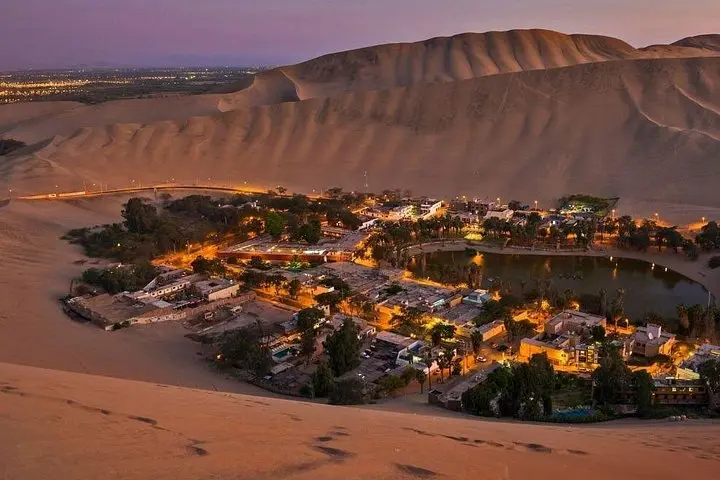
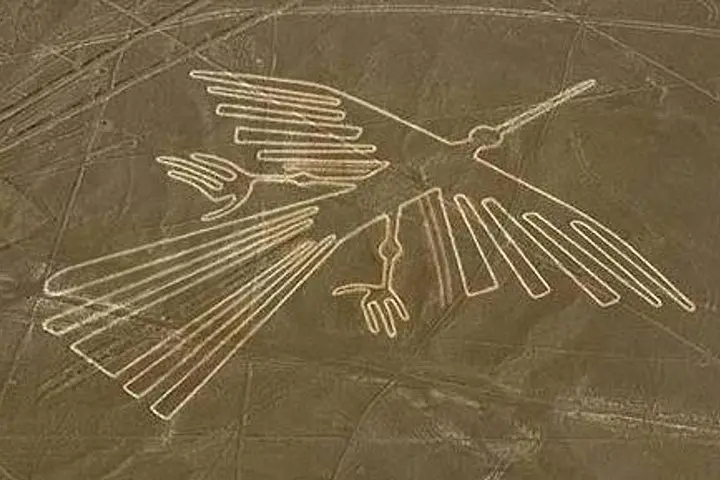
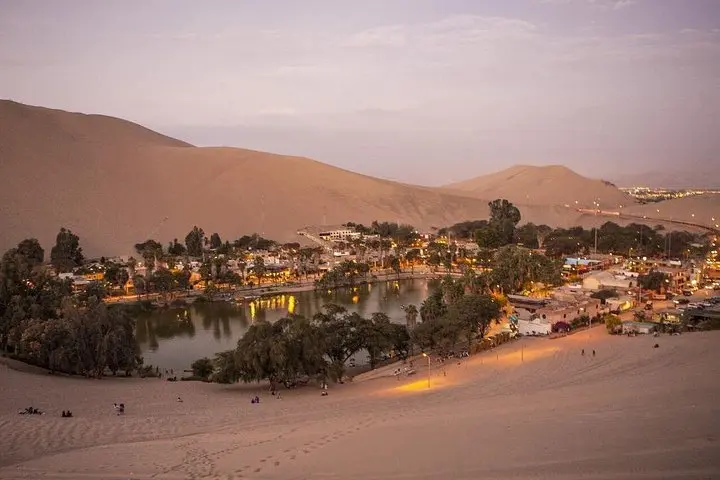
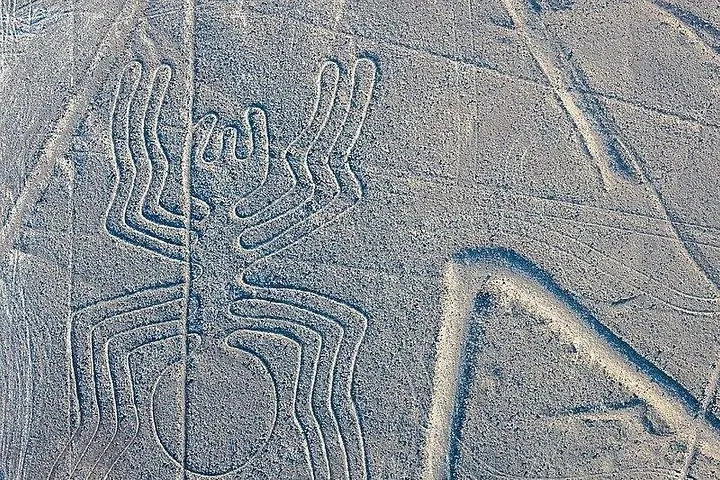
You step out of the van into a wind that tastes of dust and salt; dunes rise like slow waves behind a small green mirror of water — Huacachina's lagoon daring you to climb. Later, the runway at Nazca shrinks under the wing of a Cessna and the desert below opens into geometric scars and animal shapes only legible from the air.
You step out of the van into a wind that tastes of dust and salt; dunes rise like slow waves behind a small green mirror of water — Huacachina's lagoon daring you to climb. Later, the runway at Nazca shrinks under the wing of a Cessna and the desert below opens into geometric scars and animal shapes only legible from the air.
The Nazca Lines were laid down by the Nazca culture between roughly 200 BCE and 600 CE, a set of figures and straight lines cut into an extraordinarily stable coastal plateau. The Huacachina oasis grew around a spring and a local legend of a mermaid; today the monocropped vineyards and pisco producers around Ica supply the region’s flavor.
Geologically, you're in Peru's coastal desert: wind-polished dunes, sparse xeric vegetation and flat, hard-packed plains that preserve the desert markings. Culturally, the day pairs rural pisco country with the high-drama of an aerial archaeology show.
Practical guide: expect a 6–7 hour day including a 4-hour drive from Lima or Ica, a short Cessna flight over Nazca lines (window seats provided), and time to try sandboarding on Huacachina dunes. Visibility for the overflight is best in drier months and early mornings; wear strong sun protection, bring motion-sickness remedies for the small plane, and use closed-toe shoes for dune runs. Guides handle check-in at Nazca airport and provide maps on board; respect restricted zones and follow local rules to protect fragile lines. With moderate stamina and basic preparation, this combined land-and-air outing delivers both an adrenaline jolt and a rare look at pre-Columbian scale art.
Frequently asked questions
The overflight portion typically lasts about 30–40 minutes; the pilot will circle each major figure to give good viewing time.
Tours provide window seats for each participant but seating is fixed to aircraft layout — confirm at check-in if you have a preference.
No — basic lessons and board rentals are usually available at Huacachina; expect a short learning curve and plenty of soft sand falls.
No — the coastal desert and Nazca plateau are at low elevation compared with the high Andes; most travelers experience no altitude issues.
About This Experience
RipioTurismo operates guided outdoor trips and adventures with an emphasis on safety, stewardship, and memorable experiences.
Adventure tips
Recommended gear
- Sunscreen (SPF 50+): High protection is essential in an exposed desert environment.
- Anti-nausea medication: Helps manage motion sickness during the small-plane overflight.
- Closed-toe shoes: Protects feet on hot sand and while sandboarding.
- Light wind shell: Blocks wind and sand during dune climbs, especially in the cooler coastal months.
Photos of the experience
Related adventures & guides
Read the full experience
You step out of the van into a wind that tastes of dust and salt; dunes rise like slow waves behind a small green mirror of water — Huacachina's lagoon daring you to climb. Later, the runway at Nazca shrinks under the wing of a Cessna and the desert below opens into geometric scars and animal shapes only legible from the air.
You step out of the van into a wind that tastes of dust and salt; dunes rise like slow waves behind a small green mirror of water — Huacachina's lagoon daring you to climb. Later, the runway at Nazca shrinks under the wing of a Cessna and the desert below opens into geometric scars and animal shapes only legible from the air.
The Nazca Lines were laid down by the Nazca culture between roughly 200 BCE and 600 CE, a set of figures and straight lines cut into an extraordinarily stable coastal plateau. The Huacachina oasis grew around a spring and a local legend of a mermaid; today the monocropped vineyards and pisco producers around Ica supply the region’s flavor.
Geologically, you're in Peru's coastal desert: wind-polished dunes, sparse xeric vegetation and flat, hard-packed plains that preserve the desert markings. Culturally, the day pairs rural pisco country with the high-drama of an aerial archaeology show.
Practical guide: expect a 6–7 hour day including a 4-hour drive from Lima or Ica, a short Cessna flight over Nazca lines (window seats provided), and time to try sandboarding on Huacachina dunes. Visibility for the overflight is best in drier months and early mornings; wear strong sun protection, bring motion-sickness remedies for the small plane, and use closed-toe shoes for dune runs. Guides handle check-in at Nazca airport and provide maps on board; respect restricted zones and follow local rules to protect fragile lines. With moderate stamina and basic preparation, this combined land-and-air outing delivers both an adrenaline jolt and a rare look at pre-Columbian scale art.
Make a day of it nearby.
Verified experiences and guided adventures in the surrounding area.