THE ADVENTURE COLLECTIVE® · Independent discovery and booking for outdoor travel

Combine colonial-era vineyards with high-octane dune bashing on a full-day trip from Lima. Visit Tacama for tastings and lunch, then head to Huacachina for dunebuggy runs, sandboarding and sunset views.
Combine colonial-era vineyards with high-octane dune bashing on a full-day trip from Lima. Visit Tacama for tastings and lunch, then head to Huacachina for dunebuggy runs, sandboarding and sunset views.
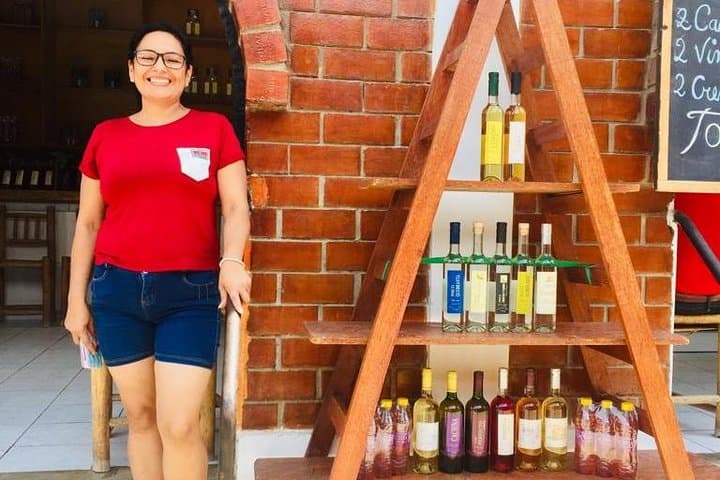
The day begins on the coastal highway as the cityscape of Lima thins and a dry, sun-baked plain opens to the horizon. By late morning you arrive at Tacama, whose stone cellars and vine rows feel older than the modern world; sunlight picks out dust motes in a warm, Pisco-scented air as a guide explains grape varieties and the long, colonial-era history of winemaking in the Ica valley. A leisurely tasting and optional lunch at the vineyard’s restaurant set the tone—measured, sensory, rooted in soil.
Verified experiences and guided adventures in the surrounding area.
Operated by Extreme Tours Huacachina · Huacachina, Ica Region
The day begins on the coastal highway as the cityscape of Lima thins and a dry, sun-baked plain opens to the horizon. By late morning you arrive at Tacama, whose stone cellars and vine rows feel older than the modern world; sunlight picks out dust motes in a warm, Pisco-scented air as a guide explains grape varieties and the long, colonial-era history of winemaking in the Ica valley. A leisurely tasting and optional lunch at the vineyard’s restaurant set the tone—measured, sensory, rooted in soil.
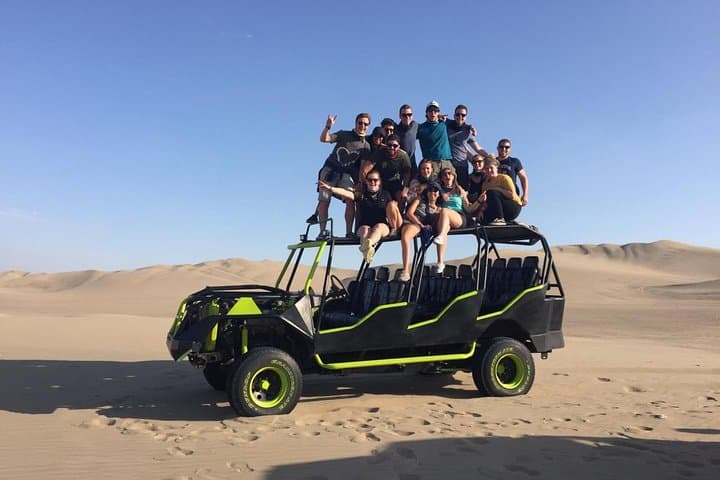
The mood shifts after lunch: half an hour’s drive brings you to Huacachina, a small oasis ringed by dunes that shoot up like waves of sand. The dunebuggy portion is kinetic—engine growls, high banks and steep faces—culminating in stops on dune crests where sandboards skim and the desert throws back a broad, golden light at sunset.
Geology here is plain and theatrical: wind-sculpted quartz sands formed from ancient coastal deposits, pushed into dunes that migrate with each season. Culturally, Huacachina and Ica are tied to pisco and coastal agriculture; the oasis itself has been a local leisure spot for decades.
Practical notes: expect a long day (roughly 9–10 hours), bring sun protection, closed-toe shoes for the dunes, and a sense of motion tolerance for bumpy rides. This is an accessible, high-energy combination of tasting and desert play—good for travelers who want one memorable day outside Lima.
easy.
9–10 hours.
Suitable for people in casual, everyday fitness; requires short climbs on sand and tolerance for bumpy rides.
Most departures include pickup in Lima with return to the same area at the end of the day; pickup location is confirmed at booking.
No prior experience is needed—guides give a short demo and practice runs on gentler slopes before steeper descents.
Yes, tastings are included at Tacama; drink responsibly—transport is provided between stops.
The tour allows children but they must sit on laps if infants; operators limit speeds for safety and provide helmets where required.
Tacama is one of the oldest wineries in the region with colonial-era roots; Ica’s agriculture and pisco production have shaped local culture for centuries.
This coastal desert is water-sensitive—respect local rules at the oasis, avoid littering, and stick to established tracks to minimize dune erosion.
Extreme Tours Huacachina operates guided outdoor trips and adventures with an emphasis on safety, stewardship, and memorable experiences.
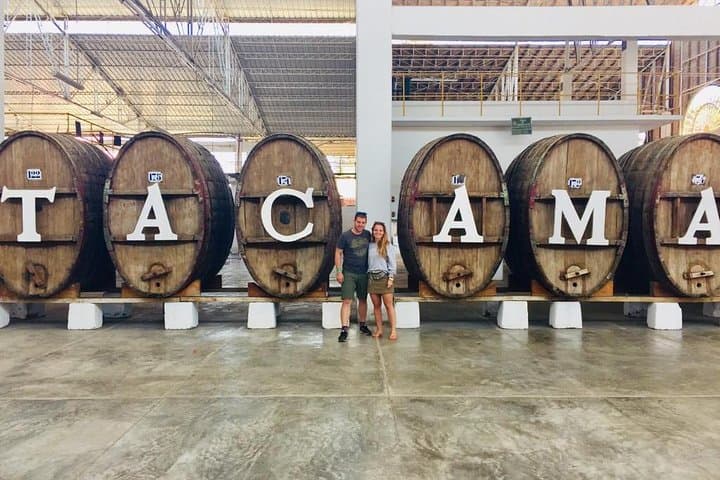
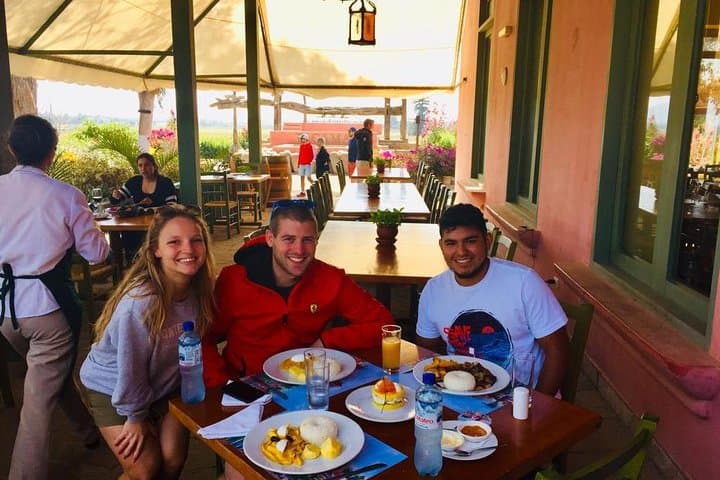
The day begins on the coastal highway as the cityscape of Lima thins and a dry, sun-baked plain opens to the horizon. By late morning you arrive at Tacama, whose stone cellars and vine rows feel older than the modern world; sunlight picks out dust motes in a warm, Pisco-scented air as a guide explains grape varieties and the long, colonial-era history of winemaking in the Ica valley. A leisurely tasting and optional lunch at the vineyard’s restaurant set the tone—measured, sensory, rooted in soil.
The day begins on the coastal highway as the cityscape of Lima thins and a dry, sun-baked plain opens to the horizon. By late morning you arrive at Tacama, whose stone cellars and vine rows feel older than the modern world; sunlight picks out dust motes in a warm, Pisco-scented air as a guide explains grape varieties and the long, colonial-era history of winemaking in the Ica valley. A leisurely tasting and optional lunch at the vineyard’s restaurant set the tone—measured, sensory, rooted in soil.
The mood shifts after lunch: half an hour’s drive brings you to Huacachina, a small oasis ringed by dunes that shoot up like waves of sand. The dunebuggy portion is kinetic—engine growls, high banks and steep faces—culminating in stops on dune crests where sandboards skim and the desert throws back a broad, golden light at sunset.
Geology here is plain and theatrical: wind-sculpted quartz sands formed from ancient coastal deposits, pushed into dunes that migrate with each season. Culturally, Huacachina and Ica are tied to pisco and coastal agriculture; the oasis itself has been a local leisure spot for decades.
Practical notes: expect a long day (roughly 9–10 hours), bring sun protection, closed-toe shoes for the dunes, and a sense of motion tolerance for bumpy rides. This is an accessible, high-energy combination of tasting and desert play—good for travelers who want one memorable day outside Lima.