THE ADVENTURE COLLECTIVE® · Independent discovery and booking for outdoor travel

Walk Howth’s village lanes and headland with a local guide and his dog, moving from Celtic-era abbey ruins to Napoleonic towers and the harbour where the 1914 gun‑running unfolded. Expect stony paths, sea winds, and sweeping island views.
Walk Howth’s village lanes and headland with a local guide and his dog, moving from Celtic-era abbey ruins to Napoleonic towers and the harbour where the 1914 gun‑running unfolded. Expect stony paths, sea winds, and sweeping island views.
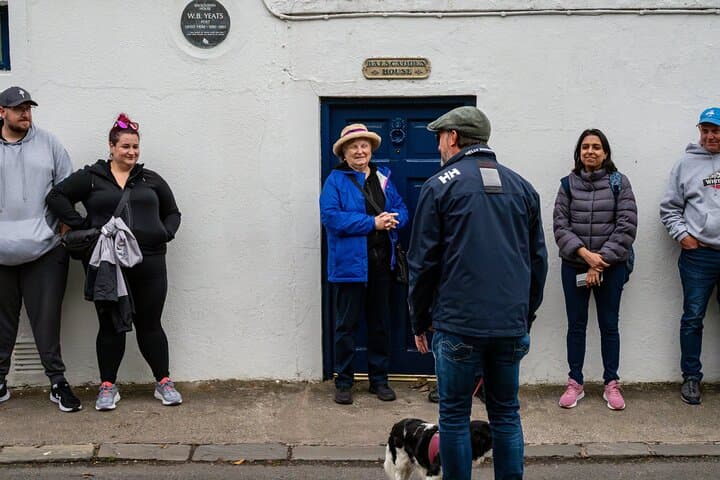
You step off the DART and the sea wind meets you—salty, sharp, pulling at a loose hood as gulls wheel over the harbour. A local guide and his dog lead you through narrow, stone lanes where fishermen’s cottages press close and the lighthouse punctuates the horizon like a practiced gesture toward the Irish Sea.
Verified experiences and guided adventures in the surrounding area.
Operated by Hidden Howth Experiences · Howth, County Dublin
You step off the DART and the sea wind meets you—salty, sharp, pulling at a loose hood as gulls wheel over the harbour. A local guide and his dog lead you through narrow, stone lanes where fishermen’s cottages press close and the lighthouse punctuates the horizon like a practiced gesture toward the Irish Sea.
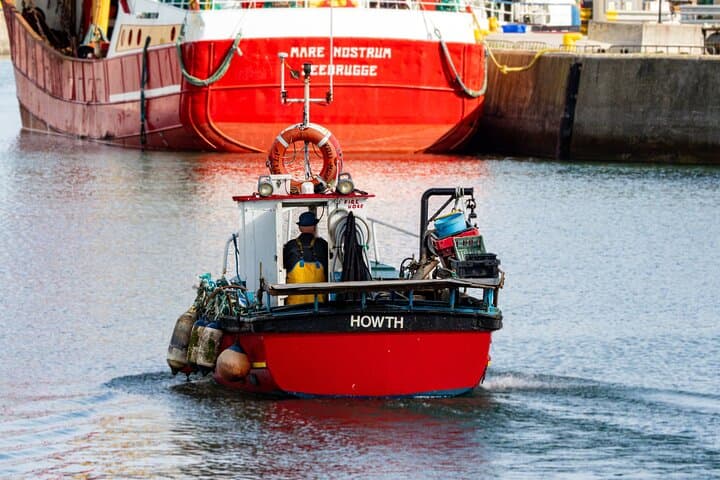
The route threads history and geology: the ruins of St. Mary’s Abbey (founded 1042 under the Viking-era Sitric) speak to a millennium of settlement, while Martello Towers and Napoleonic-era fortifications recall more modern watches over these waters. Howth’s coastline is an exposed headland—granite outcrops and glacially-sculpted cliffs carve abrupt profiles into the sea, giving sweeping views of Ireland’s Eye and Lambay Island. Cultural notes arrive in small things—harbour cranes, plaice-and-chips stands, and the local telling of the 1914 gun‑running that became part of Ireland’s political story.
The walk is immersive but pragmatic. Expect uneven cobbles, short steep pitches up to vantage points, and exposed cliff edges where wind will push at your balance. Plan for two hours, arrive by DART to Howth station, and bring a waterproof layer and sturdy footwear. Midday light reveals maximum visibility to the islands; later afternoons offer softer sea colors and fewer crowds.
Respect nesting birds and marked paths, keep dogs leashed beyond the village, and time your visit outside peak weekend hours if you want quieter viewpoints. This is a compact coastal heritage walk—equal parts storytelling and shoreline, ideal for travelers who want history on foot with honest, headland-scale views.
moderate.
2 hours.
Moderate fitness: short uphill sections and several flights of uneven stone steps—comfortable walking ability recommended.
The listing notes service animals are allowed; if you plan to bring a pet, confirm with the operator—many headland sections require dogs to be on a short lead.
Portions are accessible in the village, but the full two‑hour route includes uneven paths and steps; contact the operator to arrange a modified route.
The tour generally runs in most weather—bring waterproof layers; cancellation for weather isn’t automatic, but you can cancel up to 24 hours for a full refund.
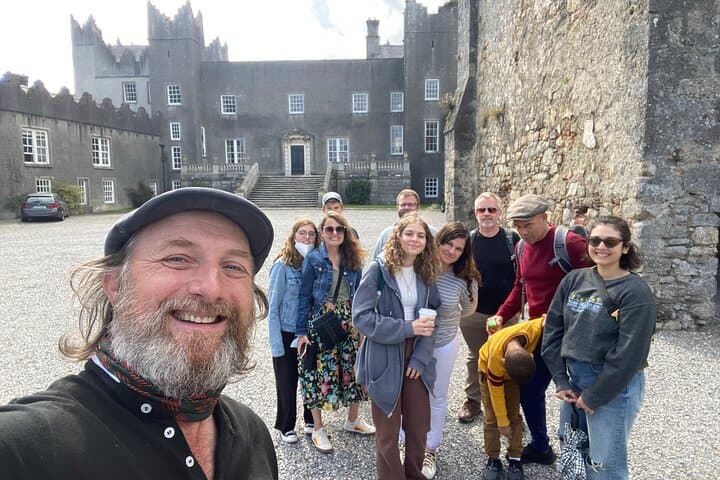
The itinerary indicates access to Howth Castle grounds is included; confirm specifics with the operator at booking for any house or special exhibitions.
Howth’s recorded history stretches from Viking-era founders like Sitric (11th century abbey) through the 1803 Martello defenses to the 1914 Howth gun‑running incident that fed Ireland’s independence narrative.
Much of the headland is managed for seabird nesting and erosion control—stick to paths, avoid cliff edges, and follow seasonal signage to protect breeding colonies.
Hidden Howth Experiences operates guided outdoor trips and adventures with an emphasis on safety, stewardship, and memorable experiences.
You step off the DART and the sea wind meets you—salty, sharp, pulling at a loose hood as gulls wheel over the harbour. A local guide and his dog lead you through narrow, stone lanes where fishermen’s cottages press close and the lighthouse punctuates the horizon like a practiced gesture toward the Irish Sea.
You step off the DART and the sea wind meets you—salty, sharp, pulling at a loose hood as gulls wheel over the harbour. A local guide and his dog lead you through narrow, stone lanes where fishermen’s cottages press close and the lighthouse punctuates the horizon like a practiced gesture toward the Irish Sea.
The route threads history and geology: the ruins of St. Mary’s Abbey (founded 1042 under the Viking-era Sitric) speak to a millennium of settlement, while Martello Towers and Napoleonic-era fortifications recall more modern watches over these waters. Howth’s coastline is an exposed headland—granite outcrops and glacially-sculpted cliffs carve abrupt profiles into the sea, giving sweeping views of Ireland’s Eye and Lambay Island. Cultural notes arrive in small things—harbour cranes, plaice-and-chips stands, and the local telling of the 1914 gun‑running that became part of Ireland’s political story.
The walk is immersive but pragmatic. Expect uneven cobbles, short steep pitches up to vantage points, and exposed cliff edges where wind will push at your balance. Plan for two hours, arrive by DART to Howth station, and bring a waterproof layer and sturdy footwear. Midday light reveals maximum visibility to the islands; later afternoons offer softer sea colors and fewer crowds.
Respect nesting birds and marked paths, keep dogs leashed beyond the village, and time your visit outside peak weekend hours if you want quieter viewpoints. This is a compact coastal heritage walk—equal parts storytelling and shoreline, ideal for travelers who want history on foot with honest, headland-scale views.