THE ADVENTURE COLLECTIVE® · Independent discovery and booking for outdoor travel

Drive a two-mile dirt road into fog-sprayed Coast Range forest for a two-hour, interpretive encounter with rescued wolves. Learn about wolf ecology, the sanctuary’s rescue mission, and practical ways to observe these apex predators respectfully.
Drive a two-mile dirt road into fog-sprayed Coast Range forest for a two-hour, interpretive encounter with rescued wolves. Learn about wolf ecology, the sanctuary’s rescue mission, and practical ways to observe these apex predators respectfully.
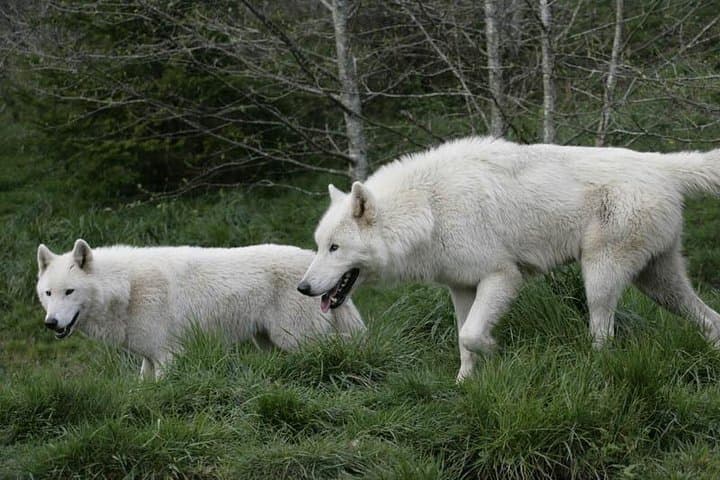
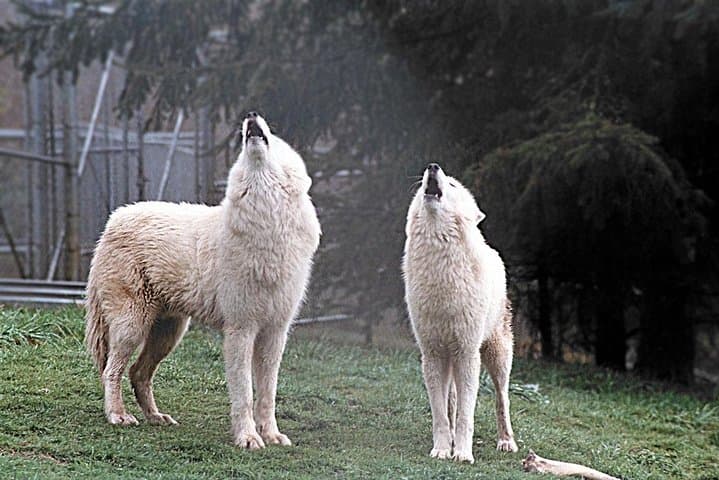
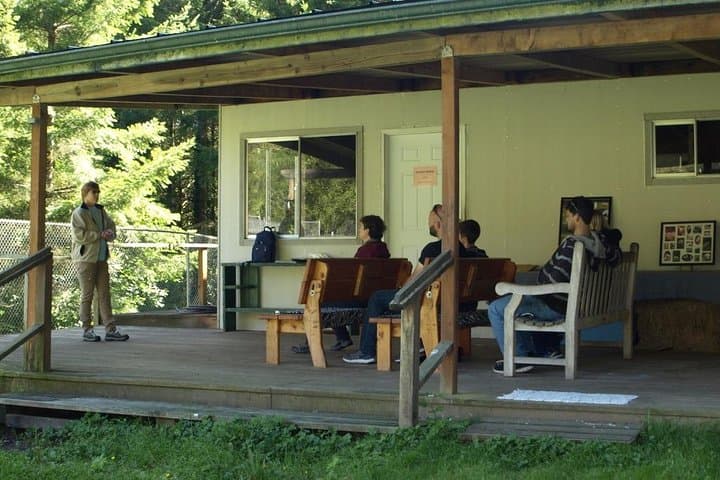
A damp Pacific wind threads through fir and alder as you drive the two-mile dirt spur off Alsea Highway, the Alsea River daring you to slow down and look. Vehicles are escorted to the summit where a broad wooden deck opens onto forested enclosures and the raw cadence of raven calls and distant wolf song. The presentation begins here — 45 minutes of close, interpretive storytelling about wolves as apex predators, their ecology, and the sanctuary’s rescue work.
Verified experiences and guided adventures in the surrounding area.
Operated by White Wolf Sanctuary · Alsea, Oregon
A damp Pacific wind threads through fir and alder as you drive the two-mile dirt spur off Alsea Highway, the Alsea River daring you to slow down and look. Vehicles are escorted to the summit where a broad wooden deck opens onto forested enclosures and the raw cadence of raven calls and distant wolf song. The presentation begins here — 45 minutes of close, interpretive storytelling about wolves as apex predators, their ecology, and the sanctuary’s rescue work.
The sanctuary sits on the western slopes of the Coast Range where marine sediments and uplifted sandstone crease the landscape; fog and coastal mist are common, shaping mossy trunks and slick trails. The area carries human history too — the Alsea people and other coastal tribes lived and traveled along these rivers for millennia; today local conservation efforts reflect that long relationship with the land and wildlife.
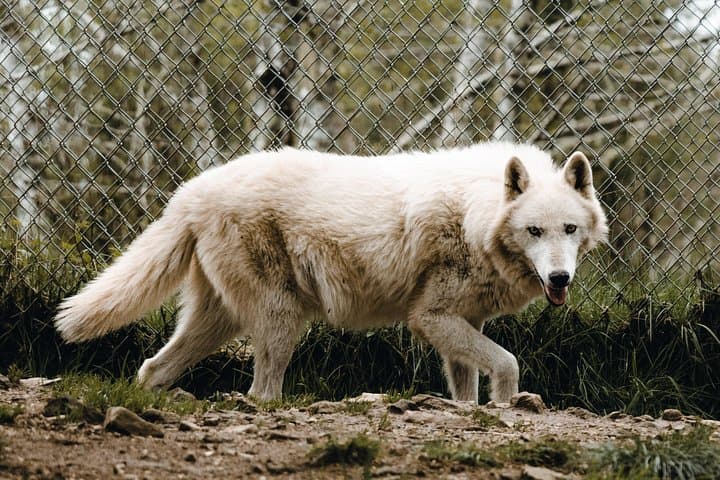
Practically, the visit is a two-hour, rain-or-shine program: a short forested hike around multiple spacious, enclosed habitats where rescued and education wolves live. Interaction is interpretive — no direct contact — and guides explain behavior, rehabilitation, and the growing conversations about wolf recovery in Oregon. Facilities include a small gift shop and restrooms.
Expect cool, wet weather and uneven ground; the dirt road is unsuitable for low-clearance sports cars. Bring layers, waterproof footwear, binoculars, and a camera (no flash near animals). The experience balances sensory immersion in coastal forest with concrete lessons in species protection — a compact, thoughtful wildlife encounter for curious, prepared visitors.
moderate.
2 hours.
Moderate fitness needed for walking uneven, possibly muddy trails and ascending short inclines; suitable for most adults and older children.
No—wolves remain in secure enclosures for their safety and the safety of guests; interactions are interpretive only.
Pets are not allowed on the sanctuary grounds to avoid stress to resident animals and potential disease transmission.
Guests drive their own vehicles and are escorted up a two-mile dirt road from Alsea Highway; low-clearance vehicles are discouraged.
Tours are family-friendly but require moderate fitness; infants must sit on an adult’s lap and all children should be supervised near viewing areas.
White Wolf Sanctuary was founded in 1999 as a 501(c)(3) nonprofit focused on rescue, education, and advocacy for wolves and other wildlife.
The sanctuary promotes ethical wildlife education and supports rehabilitation over captivity; visitors are encouraged to follow leave-no-trace principles and support recovery initiatives.
White Wolf Sanctuary operates guided outdoor trips and adventures with an emphasis on safety, stewardship, and memorable experiences.
A damp Pacific wind threads through fir and alder as you drive the two-mile dirt spur off Alsea Highway, the Alsea River daring you to slow down and look. Vehicles are escorted to the summit where a broad wooden deck opens onto forested enclosures and the raw cadence of raven calls and distant wolf song. The presentation begins here — 45 minutes of close, interpretive storytelling about wolves as apex predators, their ecology, and the sanctuary’s rescue work.
A damp Pacific wind threads through fir and alder as you drive the two-mile dirt spur off Alsea Highway, the Alsea River daring you to slow down and look. Vehicles are escorted to the summit where a broad wooden deck opens onto forested enclosures and the raw cadence of raven calls and distant wolf song. The presentation begins here — 45 minutes of close, interpretive storytelling about wolves as apex predators, their ecology, and the sanctuary’s rescue work.
The sanctuary sits on the western slopes of the Coast Range where marine sediments and uplifted sandstone crease the landscape; fog and coastal mist are common, shaping mossy trunks and slick trails. The area carries human history too — the Alsea people and other coastal tribes lived and traveled along these rivers for millennia; today local conservation efforts reflect that long relationship with the land and wildlife.
Practically, the visit is a two-hour, rain-or-shine program: a short forested hike around multiple spacious, enclosed habitats where rescued and education wolves live. Interaction is interpretive — no direct contact — and guides explain behavior, rehabilitation, and the growing conversations about wolf recovery in Oregon. Facilities include a small gift shop and restrooms.
Expect cool, wet weather and uneven ground; the dirt road is unsuitable for low-clearance sports cars. Bring layers, waterproof footwear, binoculars, and a camera (no flash near animals). The experience balances sensory immersion in coastal forest with concrete lessons in species protection — a compact, thoughtful wildlife encounter for curious, prepared visitors.