THE ADVENTURE COLLECTIVE® · Independent discovery and booking for outdoor travel

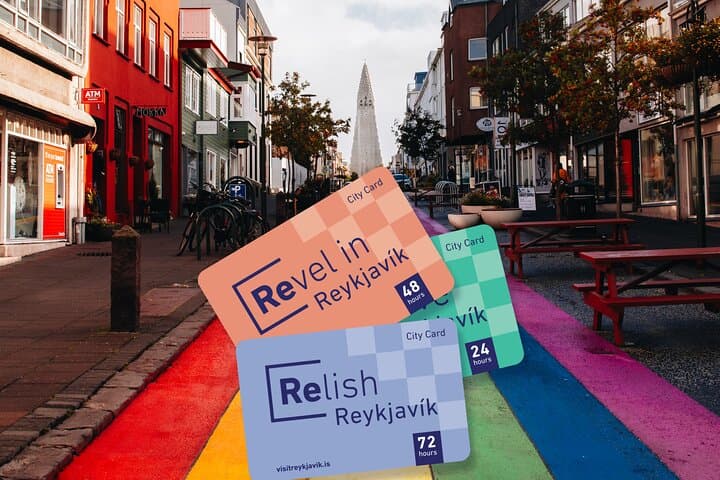
One card, dozens of doors: the Reykjavik City Card unlocks museums, thermal pools, buses and the ferry to Viðey. This guide explains how to make the most of 24 hours in Iceland’s capital—when to swap your voucher, what to prioritize and how to stay dry between galleries.
One card, dozens of doors: the Reykjavik City Card unlocks museums, thermal pools, buses and the ferry to Viðey. This guide explains how to make the most of 24 hours in Iceland’s capital—when to swap your voucher, what to prioritize and how to stay dry between galleries.
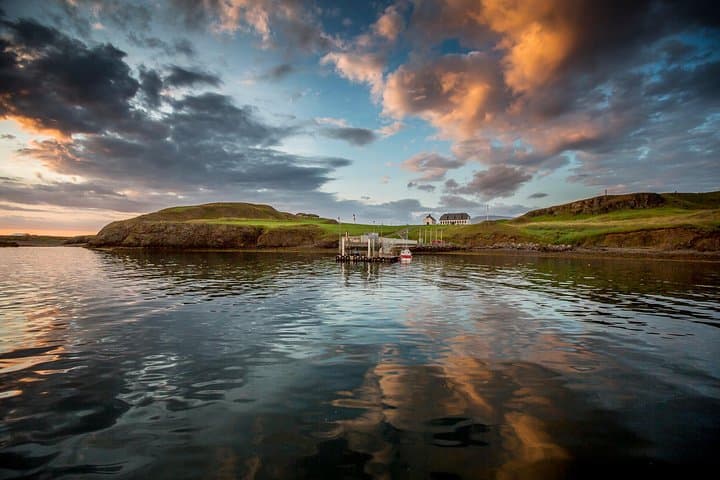
A cool wind cuts across the old harbor as a traveler unwraps a digital voucher and steps into Reykjavík’s compact center. Harsh rock of the surrounding lavas edges the city like a frame; gulls wheel over Faxaflói Bay and the ferry to Viðey waits, patient and punctual. The card feels like permission to move freely: through museum doors, into steaming public pools, onto buses that thread the neighborhoods.
Verified experiences and guided adventures in the surrounding area.
Operated by Visit Reykjavik · Reykjavík, Capital Region
A cool wind cuts across the old harbor as a traveler unwraps a digital voucher and steps into Reykjavík’s compact center. Harsh rock of the surrounding lavas edges the city like a frame; gulls wheel over Faxaflói Bay and the ferry to Viðey waits, patient and punctual. The card feels like permission to move freely: through museum doors, into steaming public pools, onto buses that thread the neighborhoods.
Reykjavík’s story is visible in short hops: a Settlement Age hall under downtown cobbles, maritime stores from the early 20th century, modern galleries installed in former warehouses. Geology is never far; the city sits on young basaltic flows and watches weather shift on a dime, so indoor and outdoor plans trade places often. Cultural life centers on compact clusters—Hafnarhús, Kjarvalsstaðir, the National Gallery—each a 5–20 minute walk from central Laugavegur.
Practically, the card covers entry to many museums, Reykjavík’s thermal pools, public buses and a scheduled ferry to Viðey island. Swap your voucher at designated collection points (museums listed on pickup instructions) and carry ID. Time your museum visits early or late afternoon to avoid midday queues; pools are busiest early evening. Use the public bus for longer hops—routes are wheelchair accessible and easy to navigate with real-time apps.
Dress in layers, bring a waterproof shell and a small daypack. If Viðey is on the list, check weekend ferry schedules in winter. The City Card compresses Reykjavík’s cultural and civic life into a single-day roaming pass—efficient, economical and ideal for travelers who want to move fast without missing the details.
easy.
Up to 24 hours.
Suitable for all fitness levels; expect several short walks across uneven sidewalks and museum stairs
Swap your mobile voucher for the City Card at any of the designated pick-up points such as Reykjavík Art Museum locations or the Settlement Exhibition—check opening hours before arrival.
Yes—the City Card covers Reykjavík’s public bus network (Strætó) within the city during the card’s validity period.
Each card is individual—make sure to purchase one per traveler as entries and transport use are per person.
Admission to selected municipal thermal pools and the scheduled ferry to Viðey are included; verify seasonal ferry schedules and pool opening hours in advance.
Reykjavík grew from a handful of settlement-age farms; exhibits like the Settlement Exhibition display a hall dated to around 871 CE, revealing the city’s Viking-era roots.
Viðey is managed to protect seabird nesting and archaeological sites; visitors are asked to stay on marked paths and follow local guidelines to minimize impact.
Visit Reykjavik operates guided outdoor trips and adventures with an emphasis on safety, stewardship, and memorable experiences.

A cool wind cuts across the old harbor as a traveler unwraps a digital voucher and steps into Reykjavík’s compact center. Harsh rock of the surrounding lavas edges the city like a frame; gulls wheel over Faxaflói Bay and the ferry to Viðey waits, patient and punctual. The card feels like permission to move freely: through museum doors, into steaming public pools, onto buses that thread the neighborhoods.
A cool wind cuts across the old harbor as a traveler unwraps a digital voucher and steps into Reykjavík’s compact center. Harsh rock of the surrounding lavas edges the city like a frame; gulls wheel over Faxaflói Bay and the ferry to Viðey waits, patient and punctual. The card feels like permission to move freely: through museum doors, into steaming public pools, onto buses that thread the neighborhoods.
Reykjavík’s story is visible in short hops: a Settlement Age hall under downtown cobbles, maritime stores from the early 20th century, modern galleries installed in former warehouses. Geology is never far; the city sits on young basaltic flows and watches weather shift on a dime, so indoor and outdoor plans trade places often. Cultural life centers on compact clusters—Hafnarhús, Kjarvalsstaðir, the National Gallery—each a 5–20 minute walk from central Laugavegur.
Practically, the card covers entry to many museums, Reykjavík’s thermal pools, public buses and a scheduled ferry to Viðey island. Swap your voucher at designated collection points (museums listed on pickup instructions) and carry ID. Time your museum visits early or late afternoon to avoid midday queues; pools are busiest early evening. Use the public bus for longer hops—routes are wheelchair accessible and easy to navigate with real-time apps.
Dress in layers, bring a waterproof shell and a small daypack. If Viðey is on the list, check weekend ferry schedules in winter. The City Card compresses Reykjavík’s cultural and civic life into a single-day roaming pass—efficient, economical and ideal for travelers who want to move fast without missing the details.