THE ADVENTURE COLLECTIVE® · Independent discovery and booking for outdoor travel

Chase the Aurora Borealis from Reykjavík on a guided countryside run where science, folklore, and unpredictable skies meet. This practical guide covers what to expect, how to prepare, and why timing and clothing make all the difference.
Chase the Aurora Borealis from Reykjavík on a guided countryside run where science, folklore, and unpredictable skies meet. This practical guide covers what to expect, how to prepare, and why timing and clothing make all the difference.
A frigid bus pulls away from Reykjavík under a slate sky, headlights cutting through the dark as the cityscape shrinks and open lava fields take over. Out here the air is thin and clean; the countryside dares you to look up. When the aurora arrives it moves like a living thing—curtains, waves, and sudden flashes that force you out of conversation and into the cold, wide open.
Verified experiences and guided adventures in the surrounding area.
Operated by taxiGo Limo Airport Service · Reykjavík, Capital Region
A frigid bus pulls away from Reykjavík under a slate sky, headlights cutting through the dark as the cityscape shrinks and open lava fields take over. Out here the air is thin and clean; the countryside dares you to look up. When the aurora arrives it moves like a living thing—curtains, waves, and sudden flashes that force you out of conversation and into the cold, wide open.
The lights themselves are collisions between charged solar particles and Earth's upper atmosphere, but Icelandic lore gives them personality: old stories say elves and spirits play across the northern sky. Geologically, the region's volcanic plains and jagged coastlines create low light basins ideal for viewing. Culturally, Reykjavik blends modern science with folklore—museums like Perlan interpret both the physics and the myths you’ll hear from guides.
Practical guidance: tours run 4–5 hours and include hotel pickup, so expect late departures and returns. Guides chase clear skies, consulting real-time cloud and KP index forecasts; small-group tours improve flexibility. Dress in layers—a breathable base, insulated mid-layer, and waterproof outer shell—with warm gloves and a hat. For photography, bring a tripod, wide-angle lens, and set exposure for 5–15 seconds depending on brightness; if conditions are poor some operators offer an indoor aurora exhibit as a backup.
Timing matters: the best season is late autumn through early spring when nights are long and skies dark. Be prepared for sudden weather changes, and remember the simplest reward is the quiet: the sky moving above a raw, northern landscape.
easy.
4–5 hours.
Suitable for most fitness levels; requires standing outdoors for viewing and short, easy walks on uneven ground
No—aurora visibility depends on solar activity and local weather; reputable operators offer alternatives if sightings are impossible that night.
Yes; this tour includes round-trip transportation from accommodations in Reykjavík as part of the booking.
Most operators allow children and provide infant seats if needed, but check age policies and comfort with late-night timings before booking.
Guides will relocate to clearer viewing areas when possible; if conditions never clear you may be offered a museum exhibition or rescheduling options depending on the operator policy.
Icelandic sagas and folk tradition have long interpreted auroras as omens or spirits; modern Iceland blends those stories with scientific interpretation in local museums and tours.
Respect private farmland and bird nesting areas—stay on designated roads and follow your guide to minimize disturbance; light pollution reduction is a priority near dark-sky sites.
taxiGo Limo Airport Service operates guided outdoor trips and adventures with an emphasis on safety, stewardship, and memorable experiences.
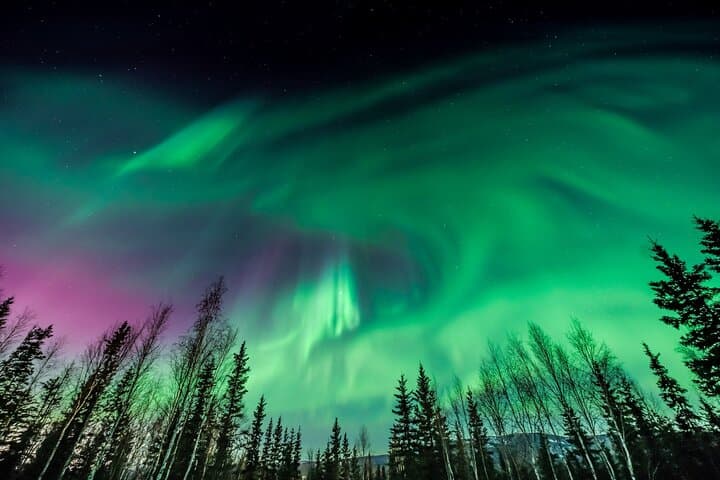
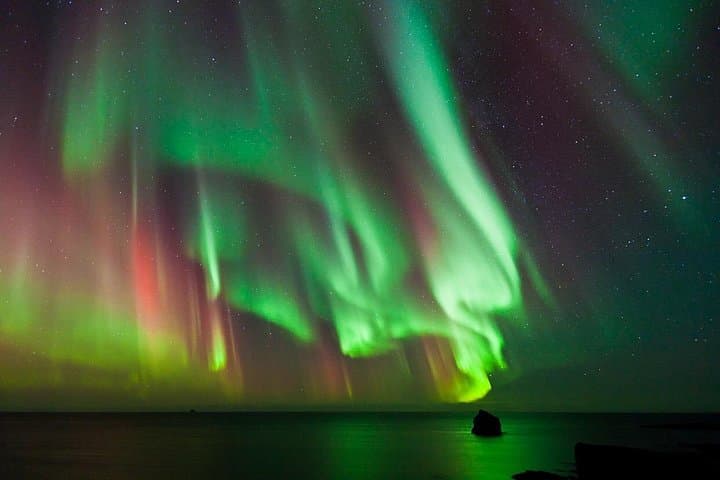
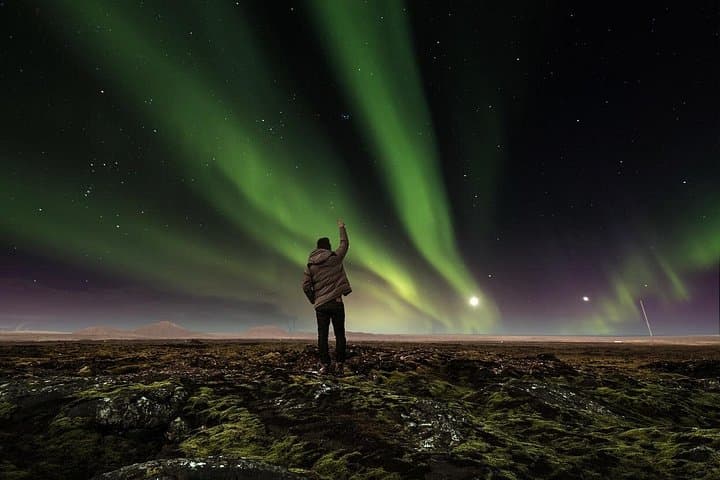
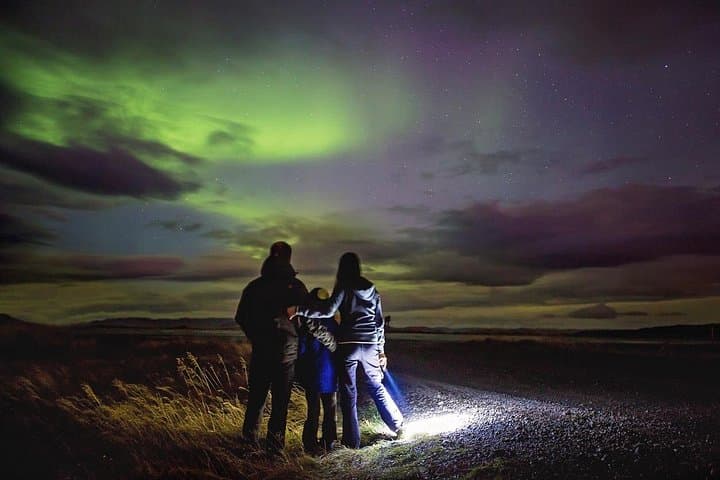
A frigid bus pulls away from Reykjavík under a slate sky, headlights cutting through the dark as the cityscape shrinks and open lava fields take over. Out here the air is thin and clean; the countryside dares you to look up. When the aurora arrives it moves like a living thing—curtains, waves, and sudden flashes that force you out of conversation and into the cold, wide open.
A frigid bus pulls away from Reykjavík under a slate sky, headlights cutting through the dark as the cityscape shrinks and open lava fields take over. Out here the air is thin and clean; the countryside dares you to look up. When the aurora arrives it moves like a living thing—curtains, waves, and sudden flashes that force you out of conversation and into the cold, wide open.
The lights themselves are collisions between charged solar particles and Earth's upper atmosphere, but Icelandic lore gives them personality: old stories say elves and spirits play across the northern sky. Geologically, the region's volcanic plains and jagged coastlines create low light basins ideal for viewing. Culturally, Reykjavik blends modern science with folklore—museums like Perlan interpret both the physics and the myths you’ll hear from guides.
Practical guidance: tours run 4–5 hours and include hotel pickup, so expect late departures and returns. Guides chase clear skies, consulting real-time cloud and KP index forecasts; small-group tours improve flexibility. Dress in layers—a breathable base, insulated mid-layer, and waterproof outer shell—with warm gloves and a hat. For photography, bring a tripod, wide-angle lens, and set exposure for 5–15 seconds depending on brightness; if conditions are poor some operators offer an indoor aurora exhibit as a backup.
Timing matters: the best season is late autumn through early spring when nights are long and skies dark. Be prepared for sudden weather changes, and remember the simplest reward is the quiet: the sky moving above a raw, northern landscape.