THE ADVENTURE COLLECTIVE® · Independent discovery and booking for outdoor travel

Cover Busan’s coastal temple, seafood markets, colorful hillside village and a glass-floor cable car in a single day by KTX. This private tour balances travel time with focused stops so you see the city’s highlights without guessing.
Cover Busan’s coastal temple, seafood markets, colorful hillside village and a glass-floor cable car in a single day by KTX. This private tour balances travel time with focused stops so you see the city’s highlights without guessing.
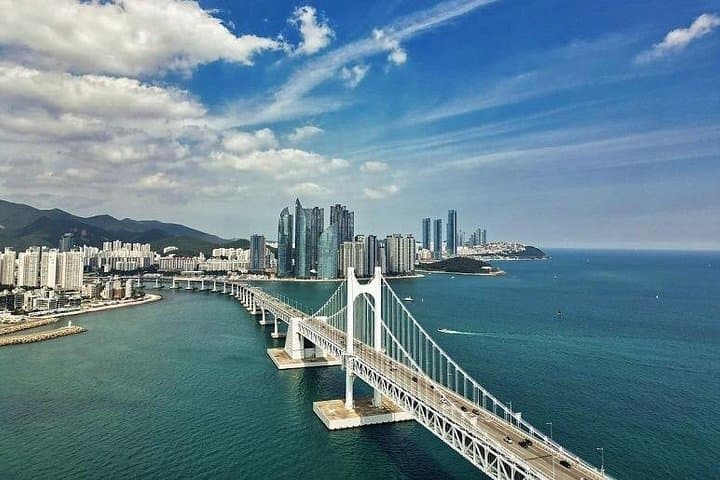
The day begins with the soft thud of the KTX as it pushes south—windows framing ribboned rice paddies and coastal hints until Busan’s skyline opens like a promise. Your private guide meets you at the platform and, within hours, the city’s contrasts unfold: a temple descended by 108 steps to the sea, neon-lit markets selling fish still glinting with ocean light, and a cliffside cable car that dares you to look down through a glass floor.
Verified experiences and guided adventures in the surrounding area.
Operated by Korea Go Tours · Busan, Busan
The day begins with the soft thud of the KTX as it pushes south—windows framing ribboned rice paddies and coastal hints until Busan’s skyline opens like a promise. Your private guide meets you at the platform and, within hours, the city’s contrasts unfold: a temple descended by 108 steps to the sea, neon-lit markets selling fish still glinting with ocean light, and a cliffside cable car that dares you to look down through a glass floor.
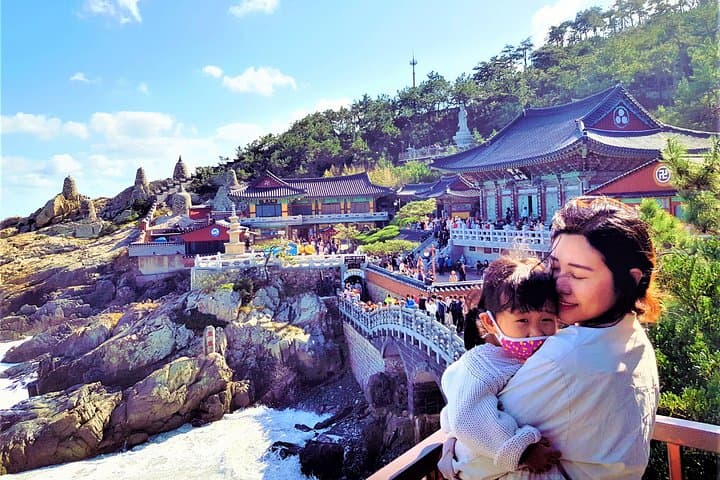
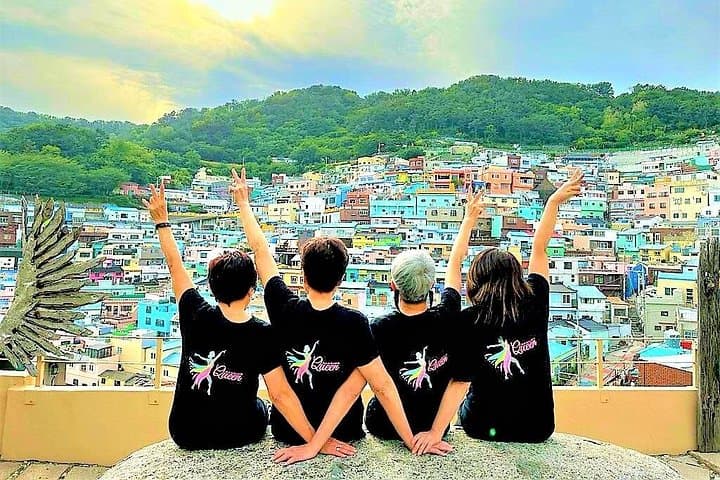
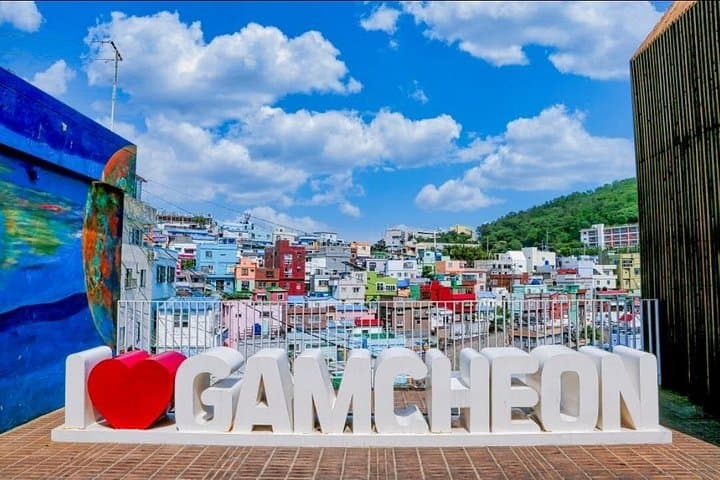
Busan grew as Korea’s port and gateway; its neighborhoods reflect waves of post-war migration, trade, and modern regeneration. Haedong Yonggungsa is unusual for a Korean temple built on the shore—its stones and pagodas watch the East Sea, where tides and legends meet. Jagalchi and Gukje markets carry the city’s mercantile memory—what began as refugee stalls is now a living marketplace. Gamcheon Culture Village sits on steep terraces, painted houses stacked like practical art born from scarcity.
Practicalities matter on a tight itinerary. Round-trip KTX takes roughly 2–2.5 hours each way; the scheduled eight-hour tour balances transit with on-the-ground time. You’ll walk uneven alleys at Gamcheon, descend temple steps, and navigate market crowds, so sensible shoes and a small daypack are essential. Carry some cash for market purchases and seafood stalls; many vendors accept cards, but small transactions run smoother with won. If you chase the cherry blossoms (mid-March to early April), expect photo crowds and brief traffic holdups near Samik Beach Apartments.
This itinerary is compact, sensory, and paced for travelers who want to compress Busan’s coastal character into a single, well-orchestrated day.
moderate.
8 hours.
Comfortable for most travelers who can walk 3–5 miles over a day, manage stairs and stand through market visits.
Typical KTX travel time is about 2–2.5 hours one-way depending on the service; this tour includes round-trip regular-seat tickets.
Yes—this private tour can be adjusted, but allocating extra time at one stop will reduce time at others given the fixed total duration.
The tour notes wheelchair accessibility and accessible transportation options, but some sites (steep alleys, temple steps, cable car stations) have limited access—contact the operator to plan accommodations.
Meals aren’t included; vendors in markets accept cards sometimes, but small stalls and street food work best with cash—carry some won for convenience.
Busan’s modern identity grew as a major port and refuge after the Korean War; markets like Jagalchi and Gukje originated as informal stalls by displaced residents.
Markets and coastal sites are sensitive to litter and single-use plastics; favor vendors who use minimal packaging and stick to marked trails in Gamcheon to protect fragile hillside communities.
Korea Go Tours operates guided outdoor trips and adventures with an emphasis on safety, stewardship, and memorable experiences.
The day begins with the soft thud of the KTX as it pushes south—windows framing ribboned rice paddies and coastal hints until Busan’s skyline opens like a promise. Your private guide meets you at the platform and, within hours, the city’s contrasts unfold: a temple descended by 108 steps to the sea, neon-lit markets selling fish still glinting with ocean light, and a cliffside cable car that dares you to look down through a glass floor.
The day begins with the soft thud of the KTX as it pushes south—windows framing ribboned rice paddies and coastal hints until Busan’s skyline opens like a promise. Your private guide meets you at the platform and, within hours, the city’s contrasts unfold: a temple descended by 108 steps to the sea, neon-lit markets selling fish still glinting with ocean light, and a cliffside cable car that dares you to look down through a glass floor.
Busan grew as Korea’s port and gateway; its neighborhoods reflect waves of post-war migration, trade, and modern regeneration. Haedong Yonggungsa is unusual for a Korean temple built on the shore—its stones and pagodas watch the East Sea, where tides and legends meet. Jagalchi and Gukje markets carry the city’s mercantile memory—what began as refugee stalls is now a living marketplace. Gamcheon Culture Village sits on steep terraces, painted houses stacked like practical art born from scarcity.
Practicalities matter on a tight itinerary. Round-trip KTX takes roughly 2–2.5 hours each way; the scheduled eight-hour tour balances transit with on-the-ground time. You’ll walk uneven alleys at Gamcheon, descend temple steps, and navigate market crowds, so sensible shoes and a small daypack are essential. Carry some cash for market purchases and seafood stalls; many vendors accept cards, but small transactions run smoother with won. If you chase the cherry blossoms (mid-March to early April), expect photo crowds and brief traffic holdups near Samik Beach Apartments.
This itinerary is compact, sensory, and paced for travelers who want to compress Busan’s coastal character into a single, well-orchestrated day.