THE ADVENTURE COLLECTIVE® · Independent discovery and booking for outdoor travel

Walk through Houston neighborhoods where notorious crimes and cult histories intersect with everyday life. This five-hour private tour combines archival detail, local context, and practical logistics for a sober, informative true-crime experience.
Walk through Houston neighborhoods where notorious crimes and cult histories intersect with everyday life. This five-hour private tour combines archival detail, local context, and practical logistics for a sober, informative true-crime experience.
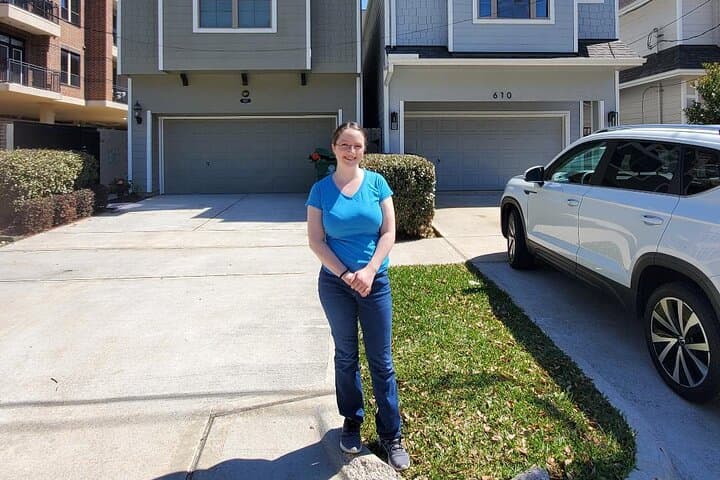
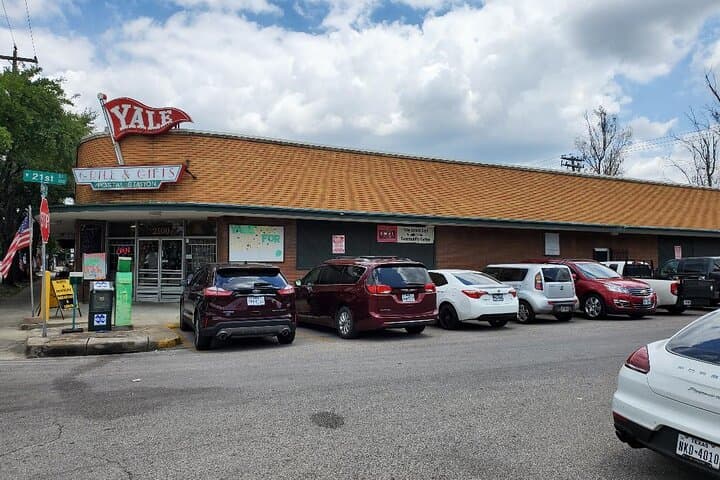
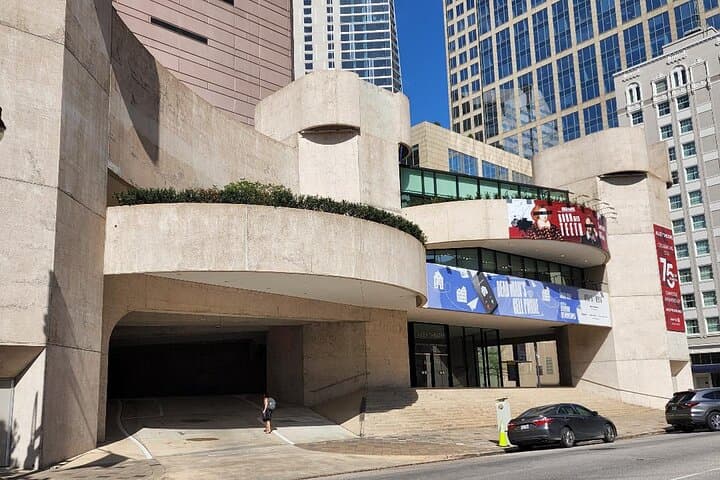
The morning sun paints the bungalow facades of a Houston neighborhood while the guide pulls up a clipped map and a quieter voice. You step out onto streets that keep the city's difficult stories folded into porches, parks, and converted storefronts. This five-hour private tour moves through Houston Heights, university corridors, and older residential blocks, each stop anchored to a real headline and a past life.
Verified experiences and guided adventures in the surrounding area.
Operated by Houston Historical Tours - Day Tours · Houston, Texas
The morning sun paints the bungalow facades of a Houston neighborhood while the guide pulls up a clipped map and a quieter voice. You step out onto streets that keep the city's difficult stories folded into porches, parks, and converted storefronts. This five-hour private tour moves through Houston Heights, university corridors, and older residential blocks, each stop anchored to a real headline and a past life.
The route threads local history with criminal case files: mid-20th-century neighborhood shifts, the rise of transient railroad killers, and cult leaders who began their narratives in classrooms and low-rise apartments. Geology and landscape play a small role here — Houston's flat prairie and dense, street-tree canopy shaped patterns of movement and hiding places that offenders and investigators both used.
Culturally, the tour situates crimes within social change — postwar migration, urban redevelopment, and policing practices — and treats sites as forensic waypoints, not spectacle. Guides aim to contextualize victims, families, and community impacts rather than sensationalize.
Practical guidance: wear comfortable shoes and sun protection for a mix of short walks and periods sitting in a vehicle; the tour is suitable for most mobility levels and includes wheelchair-accessible options. Bring water, a notepad if you want to record names and dates, and a respectful mindset — many stops are near private homes and active neighborhoods. Photography is usually allowed from public sidewalks, but avoid intruding on residents. Expect a fact-forward narration with archival anecdotes, a steady pace, and opportunities to ask about case details, media coverage, and local responses.
easy.
5 hours.
Light activity: able to stand and walk short distances; suitable for most fitness levels
The content is graphic and may upset younger children; organizers note it’s best for teens and adults and ask you to consider sensitivity before booking.
Yes — the tour lists wheelchair and stroller accessibility; notify the operator about specific needs when booking.
No — visits are observational from public areas; the itinerary describes sites without entering private properties.
Guides aim to contextualize victims and community impact rather than sensationalize; you can request a more clinical narration.
Many cases on the route reflect postwar urban changes in Houston — shifting neighborhoods, transient populations, and evolving policing practices that shaped how crimes were investigated.
This is an urban tour; respect for private property and minimizing street litter are the primary conservation concerns — leave sites as you found them and follow local ordinances.
Houston Historical Tours - Day Tours operates guided outdoor trips and adventures with an emphasis on safety, stewardship, and memorable experiences.

The morning sun paints the bungalow facades of a Houston neighborhood while the guide pulls up a clipped map and a quieter voice. You step out onto streets that keep the city's difficult stories folded into porches, parks, and converted storefronts. This five-hour private tour moves through Houston Heights, university corridors, and older residential blocks, each stop anchored to a real headline and a past life.
The morning sun paints the bungalow facades of a Houston neighborhood while the guide pulls up a clipped map and a quieter voice. You step out onto streets that keep the city's difficult stories folded into porches, parks, and converted storefronts. This five-hour private tour moves through Houston Heights, university corridors, and older residential blocks, each stop anchored to a real headline and a past life.
The route threads local history with criminal case files: mid-20th-century neighborhood shifts, the rise of transient railroad killers, and cult leaders who began their narratives in classrooms and low-rise apartments. Geology and landscape play a small role here — Houston's flat prairie and dense, street-tree canopy shaped patterns of movement and hiding places that offenders and investigators both used.
Culturally, the tour situates crimes within social change — postwar migration, urban redevelopment, and policing practices — and treats sites as forensic waypoints, not spectacle. Guides aim to contextualize victims, families, and community impacts rather than sensationalize.
Practical guidance: wear comfortable shoes and sun protection for a mix of short walks and periods sitting in a vehicle; the tour is suitable for most mobility levels and includes wheelchair-accessible options. Bring water, a notepad if you want to record names and dates, and a respectful mindset — many stops are near private homes and active neighborhoods. Photography is usually allowed from public sidewalks, but avoid intruding on residents. Expect a fact-forward narration with archival anecdotes, a steady pace, and opportunities to ask about case details, media coverage, and local responses.