THE ADVENTURE COLLECTIVE® · Independent discovery and booking for outdoor travel

Hire a private guide by the hour to explore Cartagena de Indias at your pace — from the walled city’s colonial alleys to Getsemaní’s murals. Ideal for visitors who want a tailored cultural or culinary walk with local context and flexible timing.
Hire a private guide by the hour to explore Cartagena de Indias at your pace — from the walled city’s colonial alleys to Getsemaní’s murals. Ideal for visitors who want a tailored cultural or culinary walk with local context and flexible timing.
A guide falls into step beside you as the sun eases across the ochre façades of Cartagena’s walled city, the Caribbean breeze pushing a faint salt scent through narrow streets. cobbled alleys open into bright plazas where palenquera women sell fruit and painted balconies throw lace-like shadows on the pavement. This is a walking city; history and daily life move at street-level.
Verified experiences and guided adventures in the surrounding area.
Operated by Guianza Express S.A.S · Cartagena, Bolívar
A guide falls into step beside you as the sun eases across the ochre façades of Cartagena’s walled city, the Caribbean breeze pushing a faint salt scent through narrow streets. cobbled alleys open into bright plazas where palenquera women sell fruit and painted balconies throw lace-like shadows on the pavement. This is a walking city; history and daily life move at street-level.
Founded in the 16th century and crowned a UNESCO World Heritage site, Cartagena’s stone walls, fortresses and churches tell a story of colonial trade, piracy and resilient local culture. Geologically, the city sits on a low coastal plain backed by mangroves and the Bay of Cartagena — the sea still makes itself felt in heat, breezes and the calls of shorebirds. Expect Spanish colonial architecture, Republican-era additions, and neighborhoods like Getsemaní where street art and music meet traditional criolla rhythms.
A private, hourly guide service lets visitors tailor time to interests: the Castillo de San Felipe’s military engineering, the intimate courtyards of the walled city, or a food-focused walk to sample arepas and coastal ceviche. Guides give context on architecture, Afro-Caribbean traditions and current urban life, while steering clear of congested routes when possible.
Practically: book a minimum three-hour session to cover meaningful ground; start early or late to avoid midday heat. Wear sturdy walking shoes and sun protection; carry cash for small purchases and optional tips. If transport is needed, arrange it in advance. A good guide will balance pacing with local insights, leaving travelers with both orientation and a list of places to return to on their own.
easy.
3–8 hours.
Suitable for travelers in average fitness; involves several hours of walking with short standing periods
The service requires a minimum of three hours, but additional hours can be added by the hour.
Yes — transportation is available for an extra fee if requested in advance; otherwise clients can use their own vehicle.
Guides commonly speak Spanish and English; request language preference when booking to confirm availability.
The tour is suitable for most fitness levels, but those with mobility limitations should notify the operator to plan a route with fewer stairs and longer rests.
Cartagena was founded in the 16th century and fortified against privateers and colonial rivals; its walled city preserves a layered colonial and republican urban fabric.
High visitor numbers strain historic streets and local water resources; choose certified guides, avoid single-use plastics, and support neighborhood businesses.
Guianza Express S.A.S operates guided outdoor trips and adventures with an emphasis on safety, stewardship, and memorable experiences.
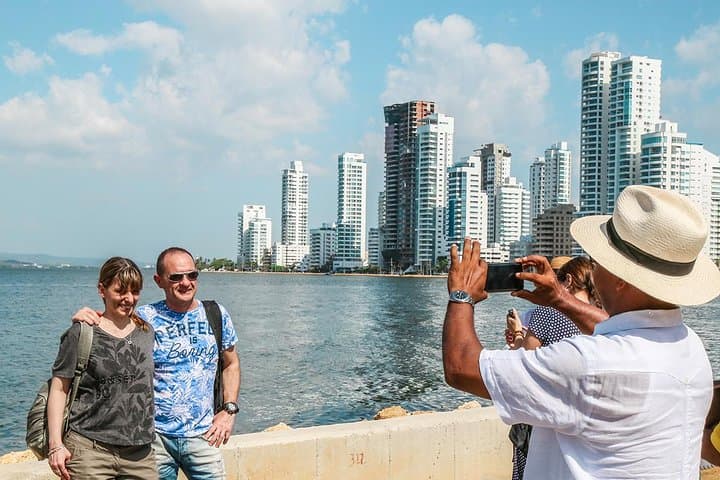
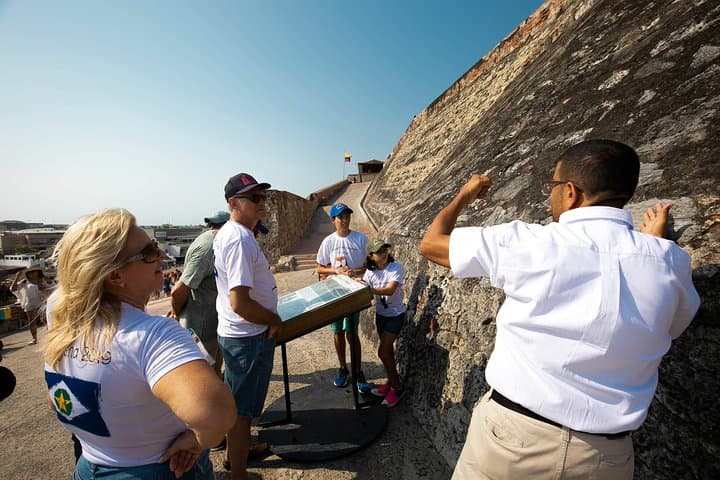
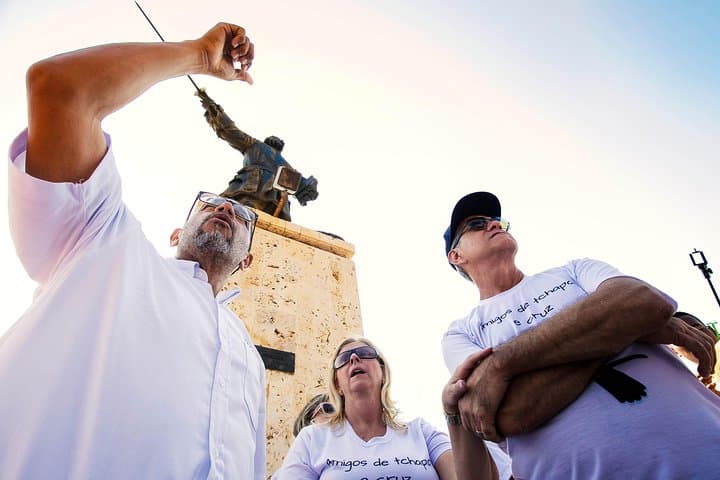

A guide falls into step beside you as the sun eases across the ochre façades of Cartagena’s walled city, the Caribbean breeze pushing a faint salt scent through narrow streets. cobbled alleys open into bright plazas where palenquera women sell fruit and painted balconies throw lace-like shadows on the pavement. This is a walking city; history and daily life move at street-level.
A guide falls into step beside you as the sun eases across the ochre façades of Cartagena’s walled city, the Caribbean breeze pushing a faint salt scent through narrow streets. cobbled alleys open into bright plazas where palenquera women sell fruit and painted balconies throw lace-like shadows on the pavement. This is a walking city; history and daily life move at street-level.
Founded in the 16th century and crowned a UNESCO World Heritage site, Cartagena’s stone walls, fortresses and churches tell a story of colonial trade, piracy and resilient local culture. Geologically, the city sits on a low coastal plain backed by mangroves and the Bay of Cartagena — the sea still makes itself felt in heat, breezes and the calls of shorebirds. Expect Spanish colonial architecture, Republican-era additions, and neighborhoods like Getsemaní where street art and music meet traditional criolla rhythms.
A private, hourly guide service lets visitors tailor time to interests: the Castillo de San Felipe’s military engineering, the intimate courtyards of the walled city, or a food-focused walk to sample arepas and coastal ceviche. Guides give context on architecture, Afro-Caribbean traditions and current urban life, while steering clear of congested routes when possible.
Practically: book a minimum three-hour session to cover meaningful ground; start early or late to avoid midday heat. Wear sturdy walking shoes and sun protection; carry cash for small purchases and optional tips. If transport is needed, arrange it in advance. A good guide will balance pacing with local insights, leaving travelers with both orientation and a list of places to return to on their own.