THE ADVENTURE COLLECTIVE® · Independent discovery and booking for outdoor travel

An efficient, one-hour tango lesson in Buenos Aires gives you the basics—embrace, caminata, and giro—plus cultural tips to try a real milonga. Perfect for travelers short on time who want a local, hands-on introduction to Argentina’s iconic dance.
An efficient, one-hour tango lesson in Buenos Aires gives you the basics—embrace, caminata, and giro—plus cultural tips to try a real milonga. Perfect for travelers short on time who want a local, hands-on introduction to Argentina’s iconic dance.
The room smells faintly of polish and coffee. Light from a streetlamp slices across worn wooden floorboards as a local instructor counts out an eight-beat phrase—your shoulders loosen, your feet find the measure, and the city outside, with its tramlines and plazas, seems to hold its breath.
Verified experiences and guided adventures in the surrounding area.
Operated by Catalina Cabana · Buenos Aires, Ciudad Autónoma de Buenos Aires
The room smells faintly of polish and coffee. Light from a streetlamp slices across worn wooden floorboards as a local instructor counts out an eight-beat phrase—your shoulders loosen, your feet find the measure, and the city outside, with its tramlines and plazas, seems to hold its breath.
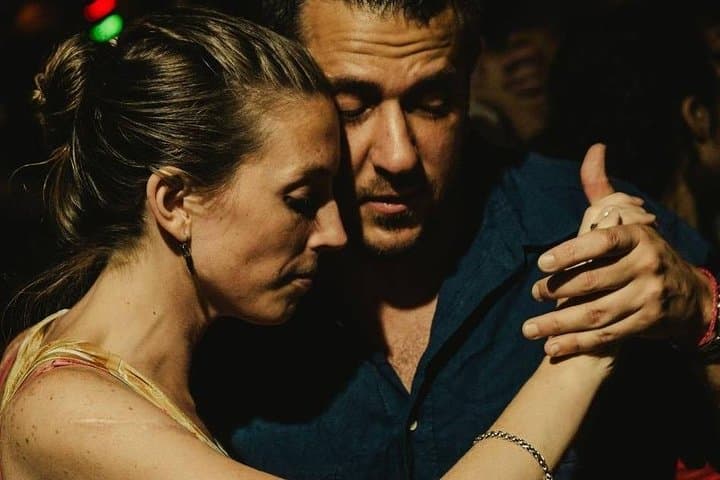
Tango was born in the late 19th century on the docks and working-class barrios of Buenos Aires and Montevideo, a hybrid of African, European and criollo influences. That history shows in the posture and pauses of the dance: a negotiation between intimacy and structure, a conversation in movement. Learn basic embrace, forward and backward caminata, and a simple giro, and you’ll get a practical entry point to milonga culture—places where porteños gather to dance socially.
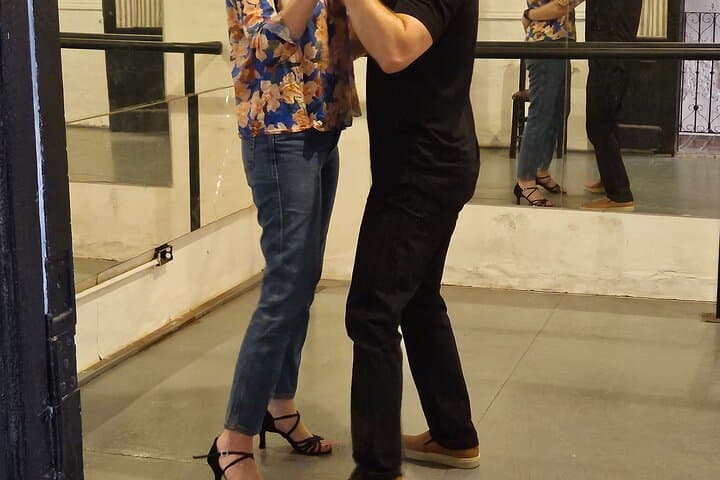
Classes are typically taught in céntricos barrios like San Telmo or near downtown studios: compact spaces with sprung floors, mirrors, and a playlist that slides from tango canción to nuevo. Expect hands-on correction, partner rotation, and a few cultural notes—how to greet hosts, where to take a first milonga, and why posture matters.
Practical guidance: wear comfortable shoes with a modest heel and smooth soles, hydrate beforehand, and arrive 10–15 minutes early to warm up and change shoes. If you want more, follow a lesson with an evening milonga to test steps in a live social setting. The hour is an efficient, focused introduction—technical enough to learn something real, social enough to spark your next night out in Buenos Aires.
easy.
60 minutes.
Light cardio and balance recommended; suitable for most fitness levels with some coordination.
No—most lessons rotate partners so solo travelers can practice both leading and following with different people.
No—this one-hour class is designed for beginners and focuses on basic steps, posture, and musical timing.
Comfortable, breathable clothing that allows leg movement; change into shoes with smooth soles before the lesson.
The lesson gives fundamentals and cultural tips, but attending a milonga afterward helps you apply steps in a social setting and build confidence.
Tango emerged in late 1800s working-class neighborhoods of Buenos Aires and Montevideo, blending immigrant and local musical traditions into a social dance.
Support small local studios and instructors to keep cultural transmission sustainable; treat historic floors and venues with care to preserve the city’s dance spaces.
Catalina Cabana operates guided outdoor trips and adventures with an emphasis on safety, stewardship, and memorable experiences.
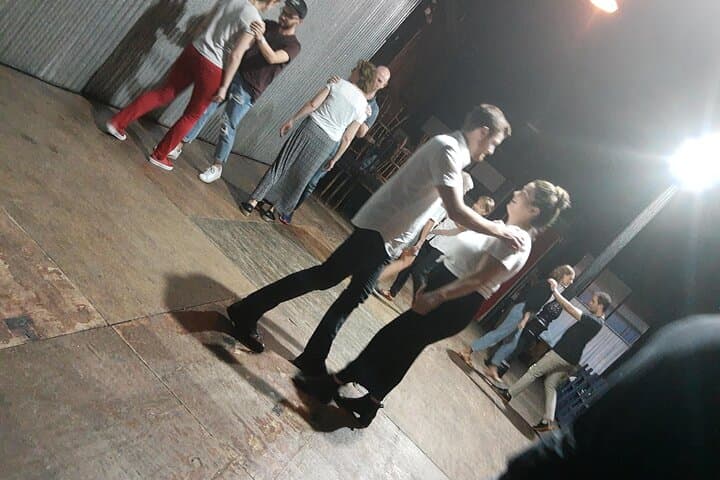
The room smells faintly of polish and coffee. Light from a streetlamp slices across worn wooden floorboards as a local instructor counts out an eight-beat phrase—your shoulders loosen, your feet find the measure, and the city outside, with its tramlines and plazas, seems to hold its breath.
The room smells faintly of polish and coffee. Light from a streetlamp slices across worn wooden floorboards as a local instructor counts out an eight-beat phrase—your shoulders loosen, your feet find the measure, and the city outside, with its tramlines and plazas, seems to hold its breath.
Tango was born in the late 19th century on the docks and working-class barrios of Buenos Aires and Montevideo, a hybrid of African, European and criollo influences. That history shows in the posture and pauses of the dance: a negotiation between intimacy and structure, a conversation in movement. Learn basic embrace, forward and backward caminata, and a simple giro, and you’ll get a practical entry point to milonga culture—places where porteños gather to dance socially.
Classes are typically taught in céntricos barrios like San Telmo or near downtown studios: compact spaces with sprung floors, mirrors, and a playlist that slides from tango canción to nuevo. Expect hands-on correction, partner rotation, and a few cultural notes—how to greet hosts, where to take a first milonga, and why posture matters.
Practical guidance: wear comfortable shoes with a modest heel and smooth soles, hydrate beforehand, and arrive 10–15 minutes early to warm up and change shoes. If you want more, follow a lesson with an evening milonga to test steps in a live social setting. The hour is an efficient, focused introduction—technical enough to learn something real, social enough to spark your next night out in Buenos Aires.