THE ADVENTURE COLLECTIVE® · Independent discovery and booking for outdoor travel

Spend an hour learning professional hot stone massage techniques at Samui Spa School in Bophut. This beginner-friendly course covers heat safety, stone placement, and flow sequences used in one-hour spa treatments.
Spend an hour learning professional hot stone massage techniques at Samui Spa School in Bophut. This beginner-friendly course covers heat safety, stone placement, and flow sequences used in one-hour spa treatments.
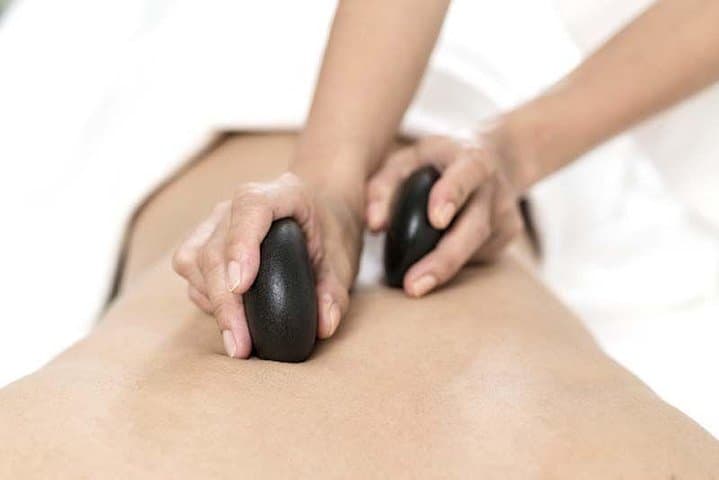
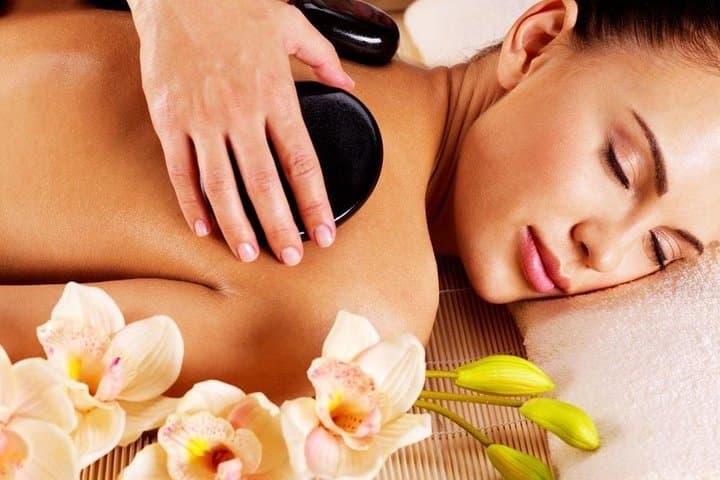
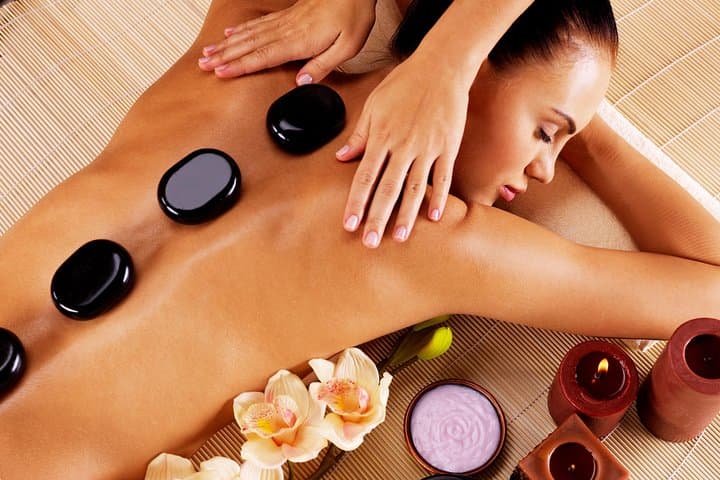
A short walk from Bophut's shoreline, the Samui Spa School classroom smells of warmed basalt and herbal tea — the steady heat of stones a quiet promise under the palms. The first minutes of the course place students at a long treatment table while instructors demonstrate how a heated stone shifts from tool to extension of the therapist's hand, encouraging rhythm over force.
Verified experiences and guided adventures in the surrounding area.
Operated by Samui Spa School - Massage and Spa School, Ko Samui · Bophut (Koh Samui), Surat Thani
A short walk from Bophut's shoreline, the Samui Spa School classroom smells of warmed basalt and herbal tea — the steady heat of stones a quiet promise under the palms. The first minutes of the course place students at a long treatment table while instructors demonstrate how a heated stone shifts from tool to extension of the therapist's hand, encouraging rhythm over force.
Koh Samui's rise as a wellness destination ties to its coconut plantations and the island's long history as a stop on trade routes; modern spa techniques arrived with tourism in the 1980s and blended with traditional Thai massage principles. The volcanic and coral geology of the Gulf of Thailand doesn't produce basalt locally, so heated stones are sourced widely and sterilized for professional use — a detail emphasized in the school's hygiene segment.
Culturally this course sits between vocational training and hospitality service: techniques are taught with an eye to wellness hotels and private practice. Students learn stone placement, heat safety, and simple flow sequences used in one-hour treatments.
Practically: arrive hydrated and in loose clothing; plan to spend the full 60 minutes with hands-on practice and demonstration. The school supplies stones, linens, and tea. Contraindications — pregnancy, heart conditions, recent surgery — are reviewed before practice. Expect clear instruction, a focus on sanitation and client screening, and a compact syllabus suitable for beginners who want a credential to work within spas or improve personal practice.
easy.
1 hour.
No special fitness required; participants should be able to stand, kneel, and perform light manual tasks for short periods.
No; the one-hour course is designed for beginners and hospitality staff seeking basic hot stone techniques and safety training.
The school issues a course completion note suitable for spa employers; verify with the provider if you need a formal accredited credential.
Yes — the school supplies sterilized stones, linens, and any additional consumables used during the lesson.
Pregnant people are advised not to take this course due to heat and contraindications; disclose pregnancy during booking for guidance.
Koh Samui’s spa culture grew alongside tourism from the 1980s, blending traditional Thai massage with Western spa techniques to meet hotel and resort demand.
Schools emphasize sanitary practices and reduced single-use plastics; visitors are encouraged to support local businesses that source natural oils and linens responsibly.
Samui Spa School - Massage and Spa School, Ko Samui operates guided outdoor trips and adventures with an emphasis on safety, stewardship, and memorable experiences.

A short walk from Bophut's shoreline, the Samui Spa School classroom smells of warmed basalt and herbal tea — the steady heat of stones a quiet promise under the palms. The first minutes of the course place students at a long treatment table while instructors demonstrate how a heated stone shifts from tool to extension of the therapist's hand, encouraging rhythm over force.
A short walk from Bophut's shoreline, the Samui Spa School classroom smells of warmed basalt and herbal tea — the steady heat of stones a quiet promise under the palms. The first minutes of the course place students at a long treatment table while instructors demonstrate how a heated stone shifts from tool to extension of the therapist's hand, encouraging rhythm over force.
Koh Samui's rise as a wellness destination ties to its coconut plantations and the island's long history as a stop on trade routes; modern spa techniques arrived with tourism in the 1980s and blended with traditional Thai massage principles. The volcanic and coral geology of the Gulf of Thailand doesn't produce basalt locally, so heated stones are sourced widely and sterilized for professional use — a detail emphasized in the school's hygiene segment.
Culturally this course sits between vocational training and hospitality service: techniques are taught with an eye to wellness hotels and private practice. Students learn stone placement, heat safety, and simple flow sequences used in one-hour treatments.
Practically: arrive hydrated and in loose clothing; plan to spend the full 60 minutes with hands-on practice and demonstration. The school supplies stones, linens, and tea. Contraindications — pregnancy, heart conditions, recent surgery — are reviewed before practice. Expect clear instruction, a focus on sanitation and client screening, and a compact syllabus suitable for beginners who want a credential to work within spas or improve personal practice.