THE ADVENTURE COLLECTIVE® · Independent discovery and booking for outdoor travel

Float above the Valley of the Kings at dawn and pair that bird’s-eye view with guided visits to Karnak, Hatshepsut’s terraces, and alabaster workshops. This two-day combination blends a tranquil sunrise balloon ride with hands-on exploration of Luxor’s most famous antiquities.
Float above the Valley of the Kings at dawn and pair that bird’s-eye view with guided visits to Karnak, Hatshepsut’s terraces, and alabaster workshops. This two-day combination blends a tranquil sunrise balloon ride with hands-on exploration of Luxor’s most famous antiquities.
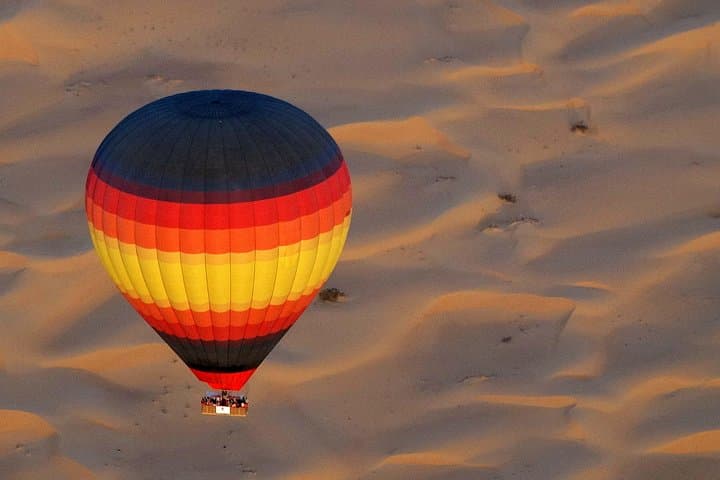
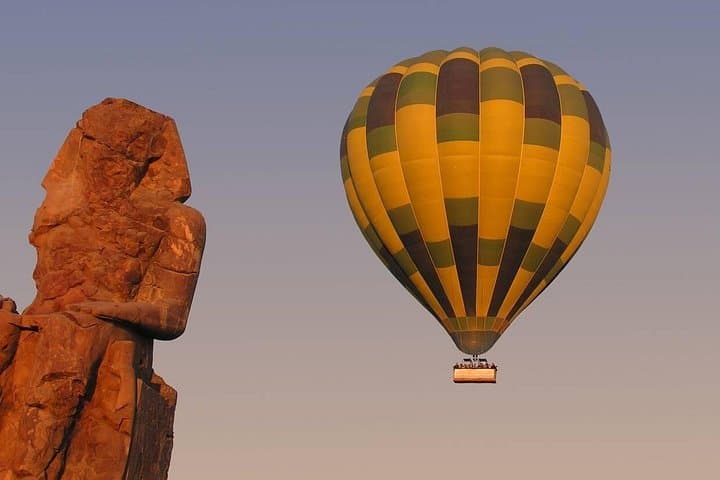
Before dawn the desert cools and the Nile breathes a slow silver across the horizon. You arrive on the West Bank while the sky is still navy; the balloon crew readies burners that shudder like a waking animal and canvas envelopes inflate until the basket stands ready to carry you over tombs and terraces.
Verified experiences and guided adventures in the surrounding area.
Operated by Noun Travel · Luxor, Luxor Governorate
Before dawn the desert cools and the Nile breathes a slow silver across the horizon. You arrive on the West Bank while the sky is still navy; the balloon crew readies burners that shudder like a waking animal and canvas envelopes inflate until the basket stands ready to carry you over tombs and terraces.
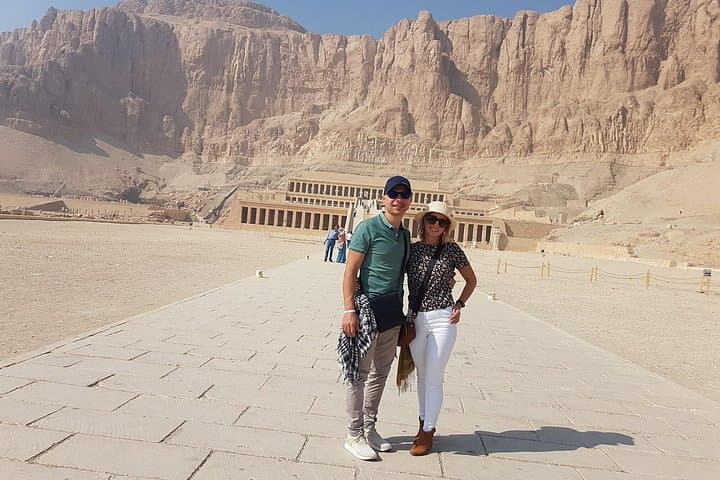
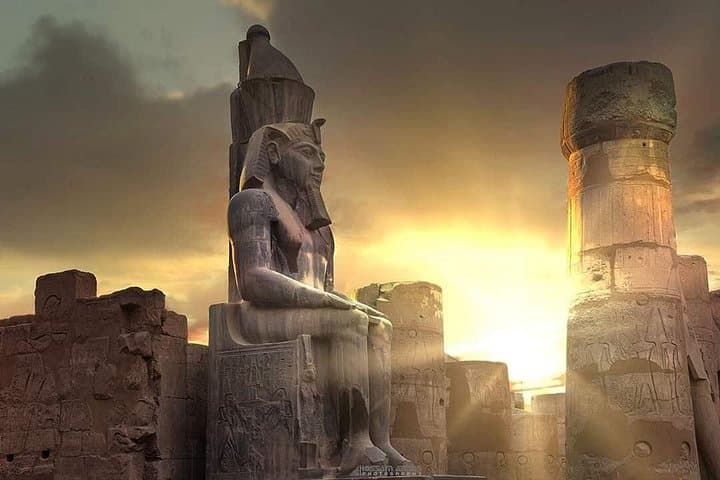
The two-day route stitches aerial perspective to archaeological close-up. Begin at Karnak, where sandstone pylons and the Great Hypostyle Hall lay out pharaonic power in a forest of columns. Cross to Hatshepsut’s terraced mortuary temple, carved into cliff face and staged for ceremonial procession. The Valley of the Kings opens as a geological amphitheater: limestone cliffs give way to painted subterranean chambers where royals were lowered into the rock. The Nile threads the valley below, patient and wide, guiding life and commerce since predynastic times.
Culturally, Luxor is both museum and living city — alabaster workshops, mosque calls, and local guides whose knowledge unspools dynastic names and building techniques. Geologically, the West Bank’s strata reveal why tombs were placed where they were: soft stone for cutting, hard ledges for cover.
Practical notes: dawn balloon flights last roughly 45–60 minutes; expect early pickup, cool air, and a gentle landing. Wear layers for rapid temperature changes, comfortable walking shoes for uneven archaeological sites, and a hat for midday sun. Bring small local currency for site fees, water, and souvenirs. If you’re photographing, carry spare batteries — the light changes fast and you won’t want to miss the view.
easy.
2 days (approx. 8–10 hours active touring).
Suitable for most fitness levels; requires short walks, some stair climbing, and standing during guided visits.
Flights typically last 45–60 minutes depending on wind conditions and the chosen flight path over the West Bank.
Some visits may include admissions; confirm with the operator which site tickets are covered and carry extra cash for any entrance fees not included.
The itinerary indicates suitability for all fitness levels and accepts infants, but check the operator’s policy on balloon age/weight limits and safety requirements beforehand.
Balloon flights are weather-dependent; operators may reschedule or cancel for safety—confirm refund or rescheduling terms prior to booking.
Luxor occupies the site of ancient Thebes, Egypt’s religious capital during the New Kingdom; many temples here were built between 1550–1070 BCE and repurposed across eras.
Tour operators limit balloon passenger loads and rely on established landing areas to minimize impact; visitors should stay on marked paths and avoid touching fragile tomb paintings.
Noun Travel operates guided outdoor trips and adventures with an emphasis on safety, stewardship, and memorable experiences.
Before dawn the desert cools and the Nile breathes a slow silver across the horizon. You arrive on the West Bank while the sky is still navy; the balloon crew readies burners that shudder like a waking animal and canvas envelopes inflate until the basket stands ready to carry you over tombs and terraces.
Before dawn the desert cools and the Nile breathes a slow silver across the horizon. You arrive on the West Bank while the sky is still navy; the balloon crew readies burners that shudder like a waking animal and canvas envelopes inflate until the basket stands ready to carry you over tombs and terraces.
The two-day route stitches aerial perspective to archaeological close-up. Begin at Karnak, where sandstone pylons and the Great Hypostyle Hall lay out pharaonic power in a forest of columns. Cross to Hatshepsut’s terraced mortuary temple, carved into cliff face and staged for ceremonial procession. The Valley of the Kings opens as a geological amphitheater: limestone cliffs give way to painted subterranean chambers where royals were lowered into the rock. The Nile threads the valley below, patient and wide, guiding life and commerce since predynastic times.
Culturally, Luxor is both museum and living city — alabaster workshops, mosque calls, and local guides whose knowledge unspools dynastic names and building techniques. Geologically, the West Bank’s strata reveal why tombs were placed where they were: soft stone for cutting, hard ledges for cover.
Practical notes: dawn balloon flights last roughly 45–60 minutes; expect early pickup, cool air, and a gentle landing. Wear layers for rapid temperature changes, comfortable walking shoes for uneven archaeological sites, and a hat for midday sun. Bring small local currency for site fees, water, and souvenirs. If you’re photographing, carry spare batteries — the light changes fast and you won’t want to miss the view.