THE ADVENTURE COLLECTIVE® · Independent discovery and booking for outdoor travel

Swap the beaches of Rio for a four-hour hike through Tijuca’s Horto waterfalls circuit, where swim-friendly pools and a narrow ‘shower’ fall punctuate a shaded Atlantic Forest trail. This guided route blends geology, urban-forest history and easy scrambles suitable for moderately fit hikers.
Swap the beaches of Rio for a four-hour hike through Tijuca’s Horto waterfalls circuit, where swim-friendly pools and a narrow ‘shower’ fall punctuate a shaded Atlantic Forest trail. This guided route blends geology, urban-forest history and easy scrambles suitable for moderately fit hikers.
You step off the city grid into green air — the trailhead at Horto feels like a gate that shuts out traffic. The path drops through shaded forest, ferns brushing your calves, and the steady percussion of falling water drawing you onward. Jequitibá waterfall opens the circuit with a broad, shallow pool; downstream the trail threads rock and root toward the Shower (Box) Waterfall, where a natural rock ledge channels water into a narrow column you can stand under.
Verified experiences and guided adventures in the surrounding area.
Operated by Nattrip - Tourism, Ecotourism and Adventure in Rio de Janeiro · Rio de Janeiro, Rio de Janeiro
You step off the city grid into green air — the trailhead at Horto feels like a gate that shuts out traffic. The path drops through shaded forest, ferns brushing your calves, and the steady percussion of falling water drawing you onward. Jequitibá waterfall opens the circuit with a broad, shallow pool; downstream the trail threads rock and root toward the Shower (Box) Waterfall, where a natural rock ledge channels water into a narrow column you can stand under.
Tijuca National Park is unusual: a 19th-century reforestation project that restored Atlantic Forest within Rio’s limits. The geology is granite and gneiss, sculpted by tropical rainfall into stepped cascades and carved plunge pools. Culturally, the park has long been a city refuge — locals traded beach crowds for these cool falls long before ecotourism guides began leading circuits through Sector C.
Expect volcanic-sculpted boulders, short scrambles, and single-track that can be slick after rain. Guides point out native trees, small epiphytes clinging to trunks, and often spot marmosets or toucans in the canopy. The whole loop is a manageable day hike with built-in swim breaks: bring a towel, change of clothes, and a waterproof pack for electronics.
Practical notes: trails are uneven with roots and wet rock — choose shoes with aggressive tread and plan for four hours total. Water is permitted in the pools, but avoid soaps or detergents. Mornings are cooler and less crowded; late afternoon can bring sudden showers. With a guide, navigation is straightforward and you get local history, safety oversight, and a better chance to learn the names and uses of native plants.
moderate.
4 hours.
Suitable for hikers with moderate fitness — able to sustain repeated short climbs, uneven footing and brief rock scrambles
Yes — the tour notes that bathing and showers are permitted at the falls, but avoid using soaps, detergents or sunscreen in the water.
The circuit is described as light-to-moderate difficulty with uneven terrain and some short scrambles; moderate fitness is recommended.
A professional guide is included; private transfers are available with certain options and taxes/fees are covered as stated.
Minimum age is 14; the tour is not recommended for people with serious heart or spinal conditions or for pregnant travelers.
Tijuca National Park is largely a human-planted Atlantic Forest restored in the 19th century after agricultural clearing, later protected as an urban national park.
Stay on trails, carry out waste, and don’t use soaps in pools; visitor care helps preserve fragile riparian zones and endemic species.
Nattrip - Tourism, Ecotourism and Adventure in Rio de Janeiro operates guided outdoor trips and adventures with an emphasis on safety, stewardship, and memorable experiences.
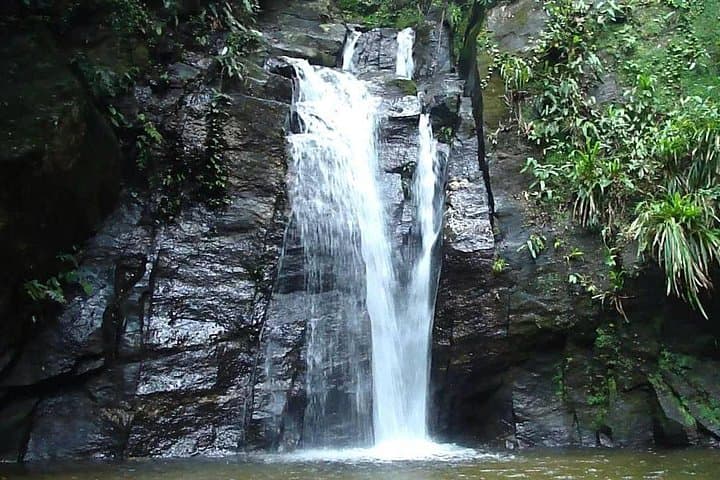
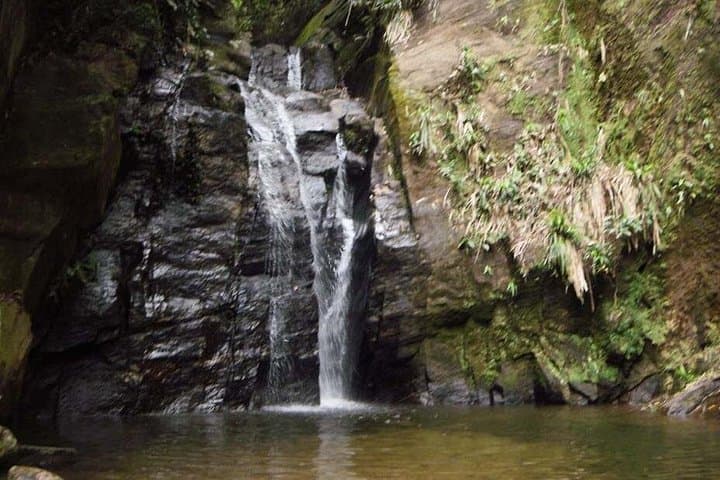
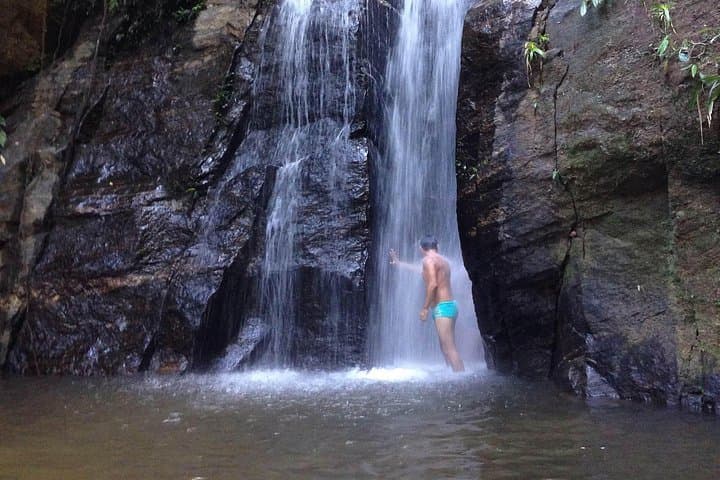
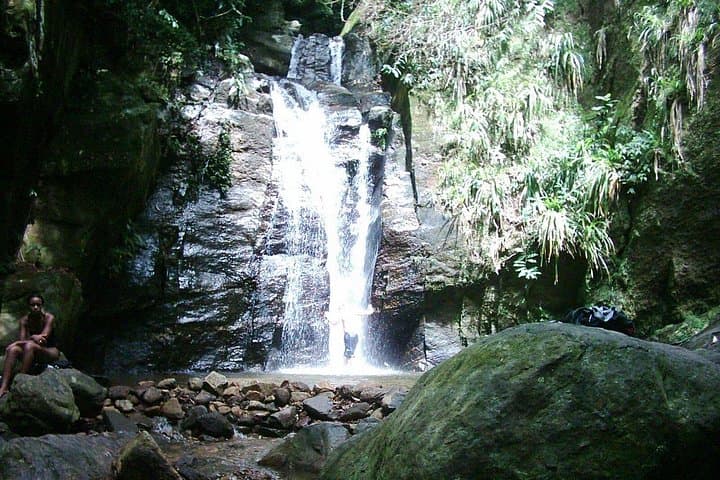
You step off the city grid into green air — the trailhead at Horto feels like a gate that shuts out traffic. The path drops through shaded forest, ferns brushing your calves, and the steady percussion of falling water drawing you onward. Jequitibá waterfall opens the circuit with a broad, shallow pool; downstream the trail threads rock and root toward the Shower (Box) Waterfall, where a natural rock ledge channels water into a narrow column you can stand under.
You step off the city grid into green air — the trailhead at Horto feels like a gate that shuts out traffic. The path drops through shaded forest, ferns brushing your calves, and the steady percussion of falling water drawing you onward. Jequitibá waterfall opens the circuit with a broad, shallow pool; downstream the trail threads rock and root toward the Shower (Box) Waterfall, where a natural rock ledge channels water into a narrow column you can stand under.
Tijuca National Park is unusual: a 19th-century reforestation project that restored Atlantic Forest within Rio’s limits. The geology is granite and gneiss, sculpted by tropical rainfall into stepped cascades and carved plunge pools. Culturally, the park has long been a city refuge — locals traded beach crowds for these cool falls long before ecotourism guides began leading circuits through Sector C.
Expect volcanic-sculpted boulders, short scrambles, and single-track that can be slick after rain. Guides point out native trees, small epiphytes clinging to trunks, and often spot marmosets or toucans in the canopy. The whole loop is a manageable day hike with built-in swim breaks: bring a towel, change of clothes, and a waterproof pack for electronics.
Practical notes: trails are uneven with roots and wet rock — choose shoes with aggressive tread and plan for four hours total. Water is permitted in the pools, but avoid soaps or detergents. Mornings are cooler and less crowded; late afternoon can bring sudden showers. With a guide, navigation is straightforward and you get local history, safety oversight, and a better chance to learn the names and uses of native plants.