THE ADVENTURE COLLECTIVE® · Independent discovery and booking for outdoor travel

Explore five waterfalls inside Tijuca National Park on a four-hour walking itinerary that includes natural plunge pools, wildlife sightings, and a hollow giant tree you can step into. This practical guide covers what to expect on trail, seasonal tips, and essential gear.
Explore five waterfalls inside Tijuca National Park on a four-hour walking itinerary that includes natural plunge pools, wildlife sightings, and a hollow giant tree you can step into. This practical guide covers what to expect on trail, seasonal tips, and essential gear.
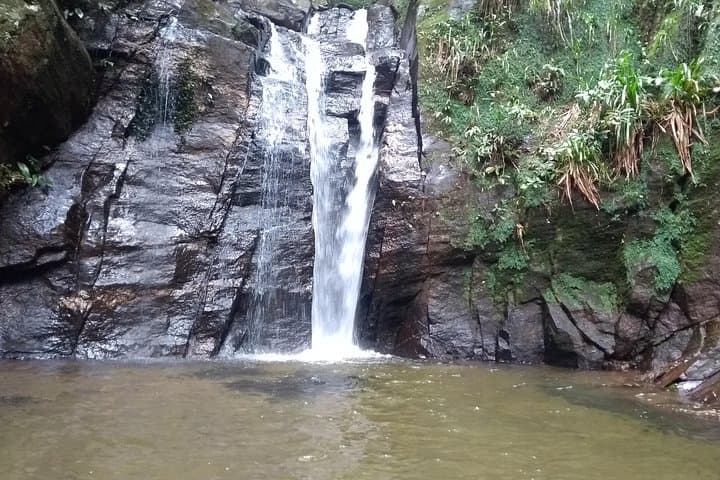
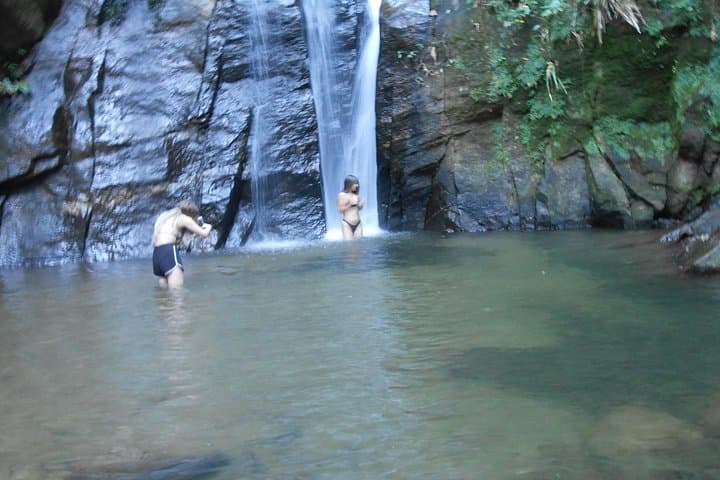
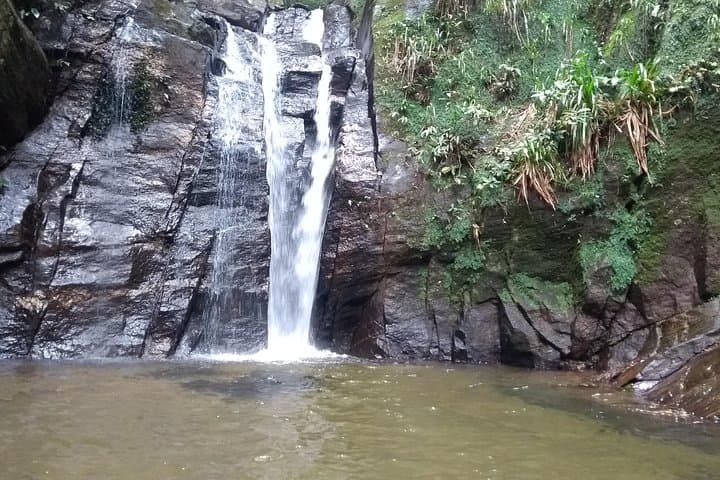
On a humid morning in Rio de Janeiro the city’s noise thins and a green roof takes over. The Horto Waterfalls route slips away from the last strand of asphalt and into the Tijuca National Park, an urban forest that still manages to surprise even frequent visitors. Over four hours you’ll follow a walking itinerary that threads past five distinct cascades — each a different voice in the same conversation — with shallow pools that invite a cold shower and a giant fig tree whose hollow trunk feels like stepping into a natural room.
Verified experiences and guided adventures in the surrounding area.
Operated by Travel Trip Brasil · Rio de Janeiro, Rio de Janeiro
On a humid morning in Rio de Janeiro the city’s noise thins and a green roof takes over. The Horto Waterfalls route slips away from the last strand of asphalt and into the Tijuca National Park, an urban forest that still manages to surprise even frequent visitors. Over four hours you’ll follow a walking itinerary that threads past five distinct cascades — each a different voice in the same conversation — with shallow pools that invite a cold shower and a giant fig tree whose hollow trunk feels like stepping into a natural room.
Tijuca is not ancient wilderness but a recovered landscape. Largely replanted in the 19th century to restore watersheds and slow erosion, the park sits on weathered granite and gneiss ridges carved by tropical rains. That geology shapes the waterfalls here: short, steep drops over bedrock, carved channels and plunge pools rather than long alpine torrents. Culturally the Horto sector has long served Cariocas as a weekday escape; small suppliers and guides run family-style operations, and the trail rhythms reflect local knowledge — where the best swimming holes sit, which falls hold shade mid-afternoon, and how to spot shy wildlife.
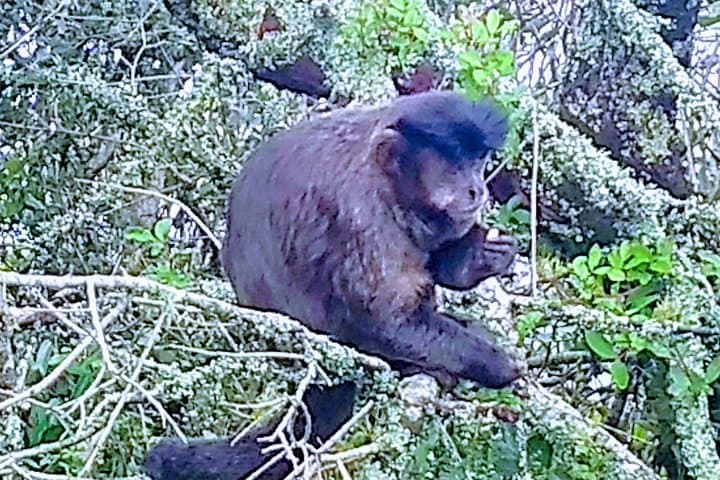
On trail the forest acts with personality: vines tug at your sleeves, the river dares you to step closer, and the current pushes on toward the city. Expect uneven stone steps, occasional muddy stretches after rain, and short, steep climbs between waterfalls. Monkeys are common — keep food packed away — and bird calls punctuate the green. Photography opportunities come regularly: narrow cascades framed by bromeliads, sunlit mist halos at midmorning, and the hollow fig that makes a cinematic foreground.
Practical guide: the full loop takes about 3.5–4 hours, roughly 5–7 km total, with intermittent elevation gains adding up to around 200–350 m of cumulative ascent. The trail is suitable for most fitness levels but wear grippy shoes and bring a daypack with towel, water and insect repellent. Tours commonly include pickup from South Zone hotels; confirm pickup boundaries (providers often exclude Barra and northern suburbs).
Timing matters. Head out early to beat afternoon heat and return before late showers, especially in summer. If you plan to swim, heed local guides about slippery rocks and sudden depth changes. Respect the park: stay on marked trails, take out any trash, and avoid feeding wildlife. Horto’s waterfalls are small in scale but uncompromising in character — a compact, verdant reminder that Rio’s urban drama unfolds just beyond the beaches.
moderate.
3.5–4 hours.
Suitable for people with basic fitness; expect short steep sections and uneven terrain that require stable footing and moderate endurance
The guided itinerary runs about 3.5–4 hours and typically covers 5–7 km with intermittent elevation changes.
Yes—several pools are suitable for a cold shower or quick dip; always check depth and follow your guide’s safety advice.
The route is considered accessible for most ages with basic mobility, but there are slippery and steep sections; notify the operator of mobility concerns.
Most local operators offer hotel pickup within South Zone neighborhoods; confirm if your hotel falls outside pickup areas like Barra da Tijuca or northern suburbs.
Expect to see monkeys (howler or marmosets) and a variety of birds like toucans and tanagers; do not feed wildlife.
Tours may cancel for heavy rain; light showers are common—bring a rain jacket and expect muddy sections. Follow guide instructions if conditions change.
Tijuca National Park was largely replanted in the 19th century to restore watersheds after deforestation; the Horto sector grew as a recreational escape for city residents.
Stick to marked trails, avoid detergents or soaps in pools, and carry out any trash; local guides aim to minimize impact by limiting group sizes and educating visitors.
Travel Trip Brasil operates guided outdoor trips and adventures with an emphasis on safety, stewardship, and memorable experiences.
On a humid morning in Rio de Janeiro the city’s noise thins and a green roof takes over. The Horto Waterfalls route slips away from the last strand of asphalt and into the Tijuca National Park, an urban forest that still manages to surprise even frequent visitors. Over four hours you’ll follow a walking itinerary that threads past five distinct cascades — each a different voice in the same conversation — with shallow pools that invite a cold shower and a giant fig tree whose hollow trunk feels like stepping into a natural room.
On a humid morning in Rio de Janeiro the city’s noise thins and a green roof takes over. The Horto Waterfalls route slips away from the last strand of asphalt and into the Tijuca National Park, an urban forest that still manages to surprise even frequent visitors. Over four hours you’ll follow a walking itinerary that threads past five distinct cascades — each a different voice in the same conversation — with shallow pools that invite a cold shower and a giant fig tree whose hollow trunk feels like stepping into a natural room.
Tijuca is not ancient wilderness but a recovered landscape. Largely replanted in the 19th century to restore watersheds and slow erosion, the park sits on weathered granite and gneiss ridges carved by tropical rains. That geology shapes the waterfalls here: short, steep drops over bedrock, carved channels and plunge pools rather than long alpine torrents. Culturally the Horto sector has long served Cariocas as a weekday escape; small suppliers and guides run family-style operations, and the trail rhythms reflect local knowledge — where the best swimming holes sit, which falls hold shade mid-afternoon, and how to spot shy wildlife.
On trail the forest acts with personality: vines tug at your sleeves, the river dares you to step closer, and the current pushes on toward the city. Expect uneven stone steps, occasional muddy stretches after rain, and short, steep climbs between waterfalls. Monkeys are common — keep food packed away — and bird calls punctuate the green. Photography opportunities come regularly: narrow cascades framed by bromeliads, sunlit mist halos at midmorning, and the hollow fig that makes a cinematic foreground.
Practical guide: the full loop takes about 3.5–4 hours, roughly 5–7 km total, with intermittent elevation gains adding up to around 200–350 m of cumulative ascent. The trail is suitable for most fitness levels but wear grippy shoes and bring a daypack with towel, water and insect repellent. Tours commonly include pickup from South Zone hotels; confirm pickup boundaries (providers often exclude Barra and northern suburbs).
Timing matters. Head out early to beat afternoon heat and return before late showers, especially in summer. If you plan to swim, heed local guides about slippery rocks and sudden depth changes. Respect the park: stay on marked trails, take out any trash, and avoid feeding wildlife. Horto’s waterfalls are small in scale but uncompromising in character — a compact, verdant reminder that Rio’s urban drama unfolds just beyond the beaches.