THE ADVENTURE COLLECTIVE® · Independent discovery and booking for outdoor travel

Ride through Maremma’s rolling hills and medieval villages on multi-day guided trails that accommodate beginners and experienced riders alike. Expect dirt tracks, river crossings, hilltop views and local farmhouse hospitality.
Ride through Maremma’s rolling hills and medieval villages on multi-day guided trails that accommodate beginners and experienced riders alike. Expect dirt tracks, river crossings, hilltop views and local farmhouse hospitality.
A thin mist lifts off the valley as saddles creak and hooves find the track—this is Maremma by horseback. You move through chestnut woods that scent the air, cross shallow streams that dare you to slow, and crest low volcanic ridges to see the Tyrrhenian glittering beyond. Riders break into easy canters across flowering meadows, while guides steer toward medieval hamlets where stone roofs crowd narrow lanes.
Verified experiences and guided adventures in the surrounding area.
Operated by Fontus s.r.l. · Montieri, Tuscany
A thin mist lifts off the valley as saddles creak and hooves find the track—this is Maremma by horseback. You move through chestnut woods that scent the air, cross shallow streams that dare you to slow, and crest low volcanic ridges to see the Tyrrhenian glittering beyond. Riders break into easy canters across flowering meadows, while guides steer toward medieval hamlets where stone roofs crowd narrow lanes.
The region wears history plainly: Etruscan and medieval mining activity shaped the Colline Metallifere, and centuries of sheep grazing carved the hedgerows you ride along. Geology here alternates compact volcanic outcrops with softer river valleys—the result is varied terrain that makes trails lively without technical exposure. Local culture is farm-first: farmhouse breakfasts, simple Tuscan cooking, and a tradition of horsemanship that favors sure-footed native breeds.
Practically, expect mostly dirt tracks, occasional rocky stretches and river fords; half-day rides typically cover 8–15 km with 150–450 m cumulative climbing, while multi-day programs offer up to four hours in the saddle daily split between lessons and trail rides. Helmets are provided and guides will match tempo to experience. Bookings usually include pickup from Florence, Siena or Pisa and nights at a local agriturismo (Hotel Prategiano is a common base).
Bring sturdy boots, long trousers, sun protection, and a small daypack with water. Weather can change quickly in spring and fall—layers will keep you comfortable. This is riding that rewards curiosity: the landscape pushes back gently, and the rhythm of horse and land sets the pace.
moderate.
3–4 days.
Moderate fitness: able to walk several kilometers and spend multiple hours in the saddle per day.
No—beginners receive ring lessons and short guided rides; experienced riders can join longer canters and hill routes. Guides match groups by ability.
Typical inclusions are breakfasts, helmets, guided riding time (up to ~4 hours daily or split sessions), hotel accommodation and pickup from Florence, Siena or Pisa when arranged.
Children can participate if accompanied by an adult; operators often set minimum age or weight limits—confirm at booking.
Rides operate in most weather with route adjustments; if cancellation policies apply, refunds vary by timing—check the provider’s terms for specifics.
Maremma's landscape reflects Etruscan roots and medieval mining activity in the Colline Metallifere; many villages started as mining or pastoral settlements.
Respect established trails to avoid erosion and livestock disturbance; operators promote low-impact riding and local agriturismi often follow sustainable farming practices.
Fontus s.r.l. operates guided outdoor trips and adventures with an emphasis on safety, stewardship, and memorable experiences.
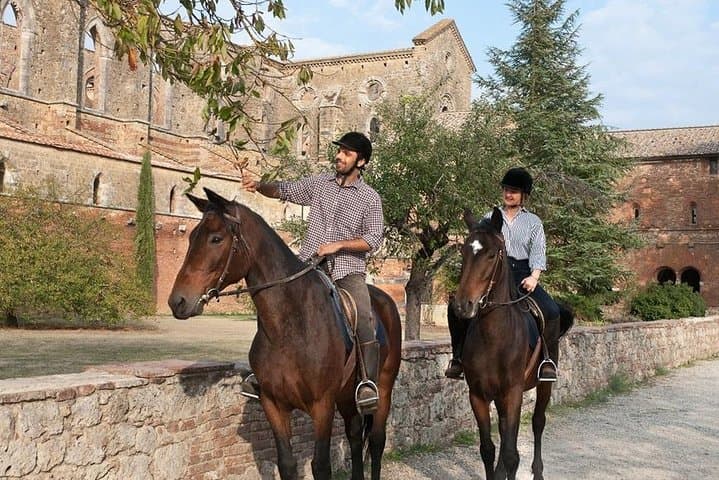
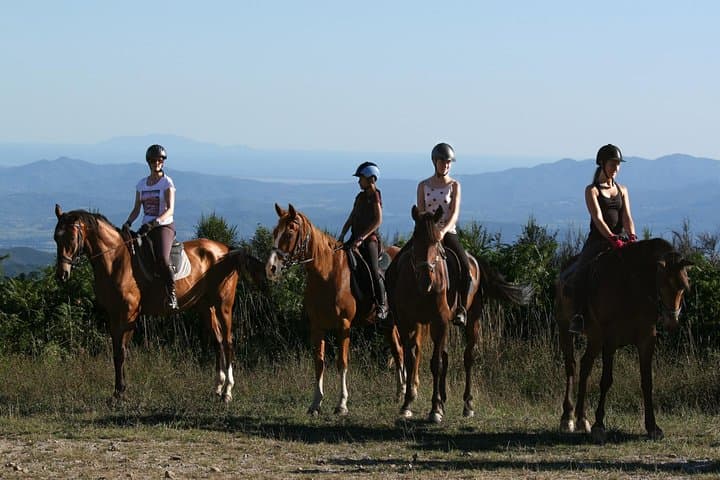
A thin mist lifts off the valley as saddles creak and hooves find the track—this is Maremma by horseback. You move through chestnut woods that scent the air, cross shallow streams that dare you to slow, and crest low volcanic ridges to see the Tyrrhenian glittering beyond. Riders break into easy canters across flowering meadows, while guides steer toward medieval hamlets where stone roofs crowd narrow lanes.
A thin mist lifts off the valley as saddles creak and hooves find the track—this is Maremma by horseback. You move through chestnut woods that scent the air, cross shallow streams that dare you to slow, and crest low volcanic ridges to see the Tyrrhenian glittering beyond. Riders break into easy canters across flowering meadows, while guides steer toward medieval hamlets where stone roofs crowd narrow lanes.
The region wears history plainly: Etruscan and medieval mining activity shaped the Colline Metallifere, and centuries of sheep grazing carved the hedgerows you ride along. Geology here alternates compact volcanic outcrops with softer river valleys—the result is varied terrain that makes trails lively without technical exposure. Local culture is farm-first: farmhouse breakfasts, simple Tuscan cooking, and a tradition of horsemanship that favors sure-footed native breeds.
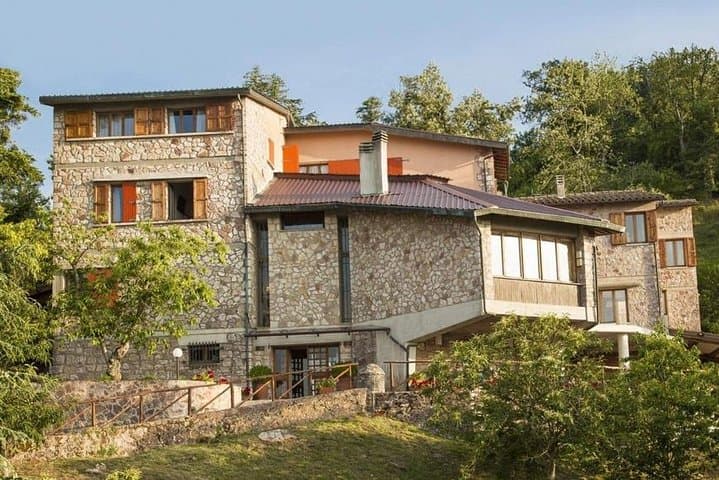
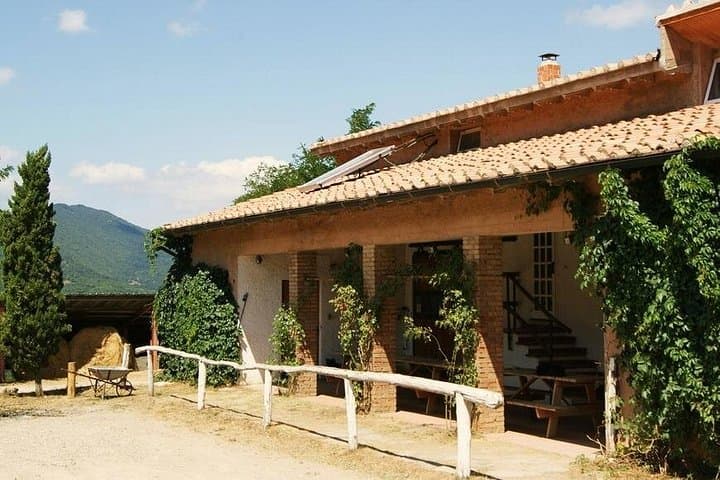
Practically, expect mostly dirt tracks, occasional rocky stretches and river fords; half-day rides typically cover 8–15 km with 150–450 m cumulative climbing, while multi-day programs offer up to four hours in the saddle daily split between lessons and trail rides. Helmets are provided and guides will match tempo to experience. Bookings usually include pickup from Florence, Siena or Pisa and nights at a local agriturismo (Hotel Prategiano is a common base).
Bring sturdy boots, long trousers, sun protection, and a small daypack with water. Weather can change quickly in spring and fall—layers will keep you comfortable. This is riding that rewards curiosity: the landscape pushes back gently, and the rhythm of horse and land sets the pace.