THE ADVENTURE COLLECTIVE® · Independent discovery and booking for outdoor travel

Ride up the slopes of the Cordillera Negra for sweeping views of the glaciated Cordillera Blanca. This half‑day horseback tour from Huaraz is a gentle way to acclimatize while taking in alpine panoramas, local ranching culture, and high Andean landscapes.
Ride up the slopes of the Cordillera Negra for sweeping views of the glaciated Cordillera Blanca. This half‑day horseback tour from Huaraz is a gentle way to acclimatize while taking in alpine panoramas, local ranching culture, and high Andean landscapes.
A damp morning light lifts off the valley as you climb onto a sure-footed horse outside Yungar, the town’s dusty road shrinking beneath. The trail heads up the western slopes of the Cordillera Negra; the Cordillera Blanca tilts into view across the valley—a serrated skyline of snow and granite catching the sun.
Verified experiences and guided adventures in the surrounding area.
Operated by Peru Bergsport · Huaraz, Ancash
A damp morning light lifts off the valley as you climb onto a sure-footed horse outside Yungar, the town’s dusty road shrinking beneath. The trail heads up the western slopes of the Cordillera Negra; the Cordillera Blanca tilts into view across the valley—a serrated skyline of snow and granite catching the sun.
This ride follows old Andean routes used by Quechua communities for seasonal grazing. Geologically the Cordillera Negra is younger, darker rock than the glaciated, pale peaks of the Cordillera Blanca; that contrast frames the whole ride and explains why hikers and riders prefer these slopes for clear panoramic views without the icefall hazards to the east.
Local ranching culture is visible in stone corrals and grazing llamas; guides are often from nearby villages and share short stories about grazing cycles and mountain weather. You’ll pass puna grass, scattered shrubs, and scrubby talus before reaching a high terrace where the guide suggests a lunch stop.
Practical guide: expect 5–6 hours door-to-door, roughly 8–12 km of riding with 300–600 m of ascent on dirt and grassy tracks, some rocky patches. The pace is steady—horses do the work but mounting, dismounting and light balance help. Sun and altitude are the main concerns: bring layered clothing, sun protection, 2–3 liters of water, and a packed lunch (there are no services on-trail). If you’re acclimatizing in Huaraz this ride is a measured way to move higher without strenuous hiking. Respect grazing lands and pack out waste; follow your guide’s instructions for rider safety and horse handling.
moderate.
5–6 hours.
Light to moderate fitness; able to mount/dismount and sit for several hours. Helpful to have basic balance and no severe back issues.
No—basic riding experience is helpful but guides and mounts are suitable for beginners; guide assistance is provided for groups of more than five riders.
The ride gains approximately 300–600 m above the trailhead; Huaraz sits around 3,050 m—altitude can affect some visitors so acclimatize and move slowly.
No—there are no restaurants on-trail; the operator asks you to bring a boxed lunch for the midpoint stop.
Return to the ranch and take the public minivan back to Huaraz; the operator arranges pickup and transfer to the trailhead and return transport is by local minivan.
The Huaraz valley has long been inhabited by Quechua-speaking communities; trails here follow traditional transhumance routes used for moving herds between ecological bands.
The puna grasslands are fragile—stay on trails, pack out waste, and avoid disturbing grazing areas; changing glacier patterns in the Cordillera Blanca also affect local water supplies.
Peru Bergsport operates guided outdoor trips and adventures with an emphasis on safety, stewardship, and memorable experiences.


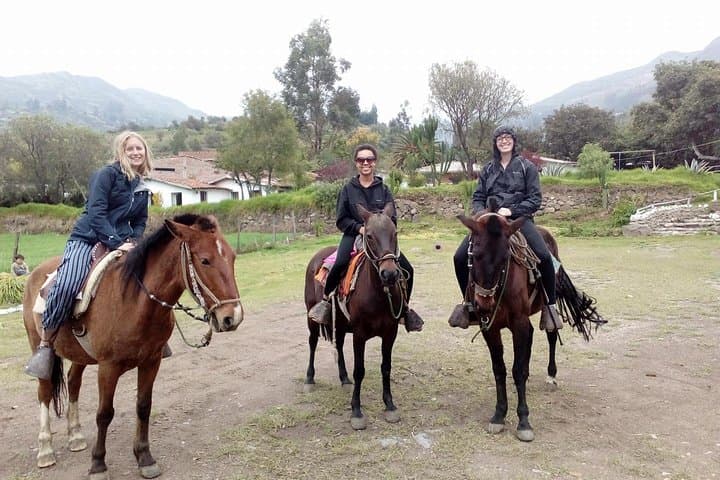
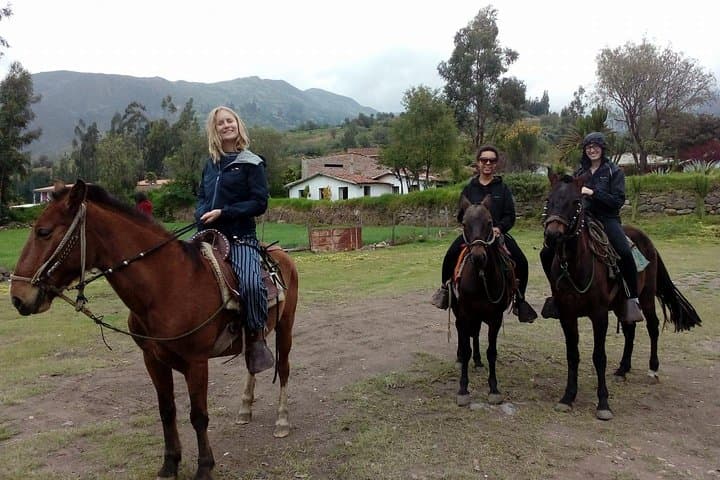
A damp morning light lifts off the valley as you climb onto a sure-footed horse outside Yungar, the town’s dusty road shrinking beneath. The trail heads up the western slopes of the Cordillera Negra; the Cordillera Blanca tilts into view across the valley—a serrated skyline of snow and granite catching the sun.
A damp morning light lifts off the valley as you climb onto a sure-footed horse outside Yungar, the town’s dusty road shrinking beneath. The trail heads up the western slopes of the Cordillera Negra; the Cordillera Blanca tilts into view across the valley—a serrated skyline of snow and granite catching the sun.
This ride follows old Andean routes used by Quechua communities for seasonal grazing. Geologically the Cordillera Negra is younger, darker rock than the glaciated, pale peaks of the Cordillera Blanca; that contrast frames the whole ride and explains why hikers and riders prefer these slopes for clear panoramic views without the icefall hazards to the east.
Local ranching culture is visible in stone corrals and grazing llamas; guides are often from nearby villages and share short stories about grazing cycles and mountain weather. You’ll pass puna grass, scattered shrubs, and scrubby talus before reaching a high terrace where the guide suggests a lunch stop.
Practical guide: expect 5–6 hours door-to-door, roughly 8–12 km of riding with 300–600 m of ascent on dirt and grassy tracks, some rocky patches. The pace is steady—horses do the work but mounting, dismounting and light balance help. Sun and altitude are the main concerns: bring layered clothing, sun protection, 2–3 liters of water, and a packed lunch (there are no services on-trail). If you’re acclimatizing in Huaraz this ride is a measured way to move higher without strenuous hiking. Respect grazing lands and pack out waste; follow your guide’s instructions for rider safety and horse handling.