THE ADVENTURE COLLECTIVE® · Independent discovery and booking for outdoor travel

Explore Tuscany on horseback: ride through vineyards, olive groves and cypress roads near Vinci, birthplace of Leonardo da Vinci. This 1–2 hour guided experience suits beginners and offers a slow, sensory way to connect with the region’s landscape and culture.
Explore Tuscany on horseback: ride through vineyards, olive groves and cypress roads near Vinci, birthplace of Leonardo da Vinci. This 1–2 hour guided experience suits beginners and offers a slow, sensory way to connect with the region’s landscape and culture.
Saddle creaks, a mare shifts beneath you, and the first low hills of Tuscany open like a map of ochre and green. Cypress-lined lanes guide the group past sun-bleached stone walls, through olive groves whose twisted trunks have seen centuries of harvest, and out into fields where vines climb the contours of the land. The slow, steady gait of the horse sets the pace—enough time to look, listen, and feel the countryside’s rhythm.
Verified experiences and guided adventures in the surrounding area.
Operated by Tommaso Degl'Innocenti · Vinci, Tuscany
Saddle creaks, a mare shifts beneath you, and the first low hills of Tuscany open like a map of ochre and green. Cypress-lined lanes guide the group past sun-bleached stone walls, through olive groves whose twisted trunks have seen centuries of harvest, and out into fields where vines climb the contours of the land. The slow, steady gait of the horse sets the pace—enough time to look, listen, and feel the countryside’s rhythm.
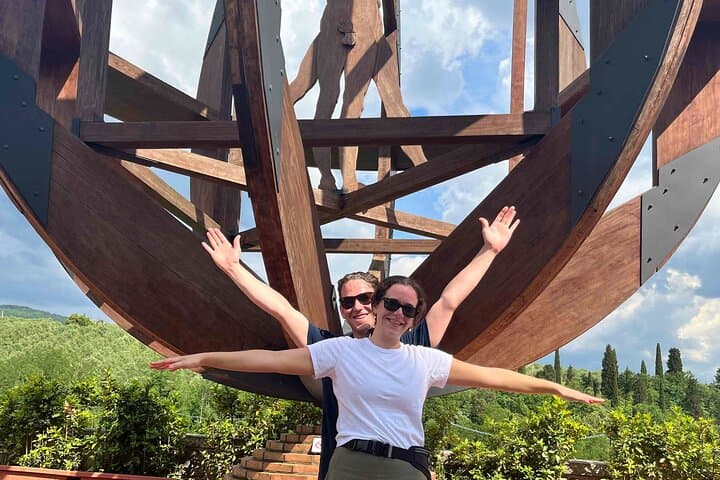
This ride threads together landscape and history: medieval hill towns like Vinci and San Miniato grew from the same rolling geology—uplifted marine sediments smoothed by millennia of erosion—giving the hills their soft shoulders and panoramic terraces. Vinci’s claim to fame as Leonardo’s birthplace adds a cultural layer: riders often pass views similar to those that inspired sketches and studies of anatomy and motion.
Local culture here is agrarian and sensory—olive oil, small vineyards, and chestnut forests shape both table and tradition. Guides from nearby ranches fold stories of land stewardship and seasonal harvest into the route, framing the ride as both recreation and a living connection to place.
Practical guidance: rides run 1–2 hours and suit beginners, but closed-toe shoes, long pants, and a willingness to follow the instructor’s cues are essential. Morning departures avoid heat and maximize light; bring water, sunscreen, and a light wind layer. Expect uneven dirt tracks and occasional short climbs; handlers will match horses to rider ability. For a quieter experience, ask about routes through Montevettolini vineyards or a stop near Leonardo’s family home in Anchiano.
easy.
1–2 hours.
Light physical activity; suitable for beginners and those with basic mobility. Comfortable core strength and balance help.
No—this experience accommodates beginners with basic lessons at the ranch and guided routes suited to skill level.
Rides run about 60–120 minutes and include a certified English-speaking instructor, helmet, and insurance; transport and meals are not included.
The operator’s policy allows cancellations per the booking terms; check the local forecast and the 24-hour cancellation window for refunds.
Not recommended for pregnant travelers or those with serious back or cardiovascular conditions; check weight limits and disclose medical concerns when booking.
Vinci and surrounding villages grew in the Middle Ages on agricultural estates; the same rolling hills that supported olive and vine cultivation framed Leonardo da Vinci’s early landscape studies.
Small agritourism operations prioritize low-impact trails and working with local landowners—stick to designated paths, don’t feed livestock, and support locally produced food to help preserve the landscape.
Tommaso Degl'Innocenti operates guided outdoor trips and adventures with an emphasis on safety, stewardship, and memorable experiences.
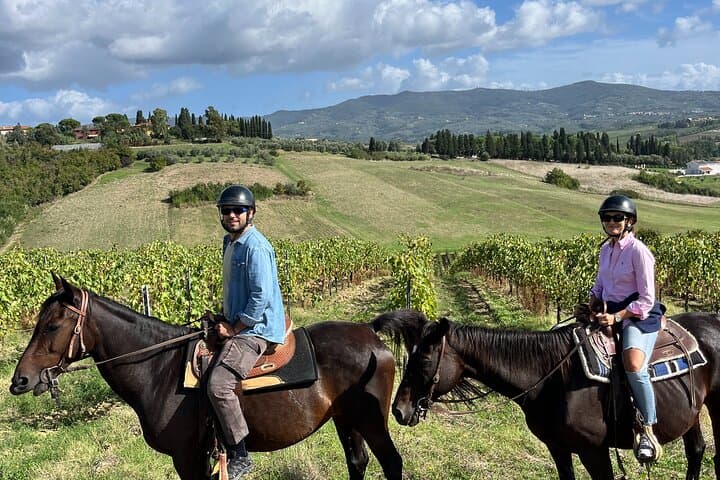
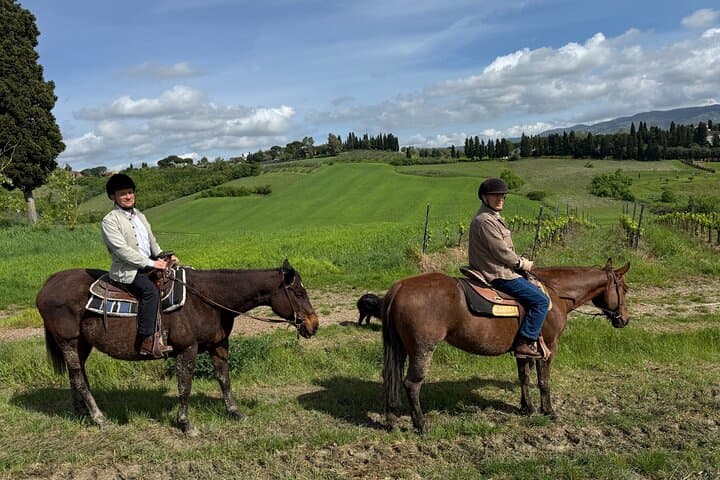
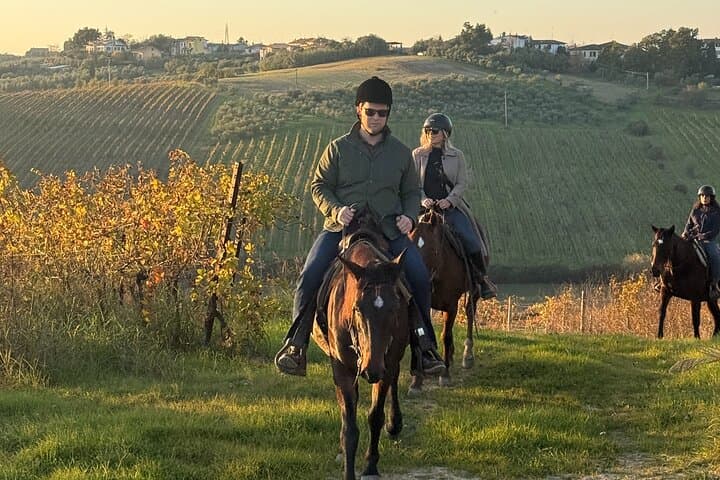
Saddle creaks, a mare shifts beneath you, and the first low hills of Tuscany open like a map of ochre and green. Cypress-lined lanes guide the group past sun-bleached stone walls, through olive groves whose twisted trunks have seen centuries of harvest, and out into fields where vines climb the contours of the land. The slow, steady gait of the horse sets the pace—enough time to look, listen, and feel the countryside’s rhythm.
Saddle creaks, a mare shifts beneath you, and the first low hills of Tuscany open like a map of ochre and green. Cypress-lined lanes guide the group past sun-bleached stone walls, through olive groves whose twisted trunks have seen centuries of harvest, and out into fields where vines climb the contours of the land. The slow, steady gait of the horse sets the pace—enough time to look, listen, and feel the countryside’s rhythm.
This ride threads together landscape and history: medieval hill towns like Vinci and San Miniato grew from the same rolling geology—uplifted marine sediments smoothed by millennia of erosion—giving the hills their soft shoulders and panoramic terraces. Vinci’s claim to fame as Leonardo’s birthplace adds a cultural layer: riders often pass views similar to those that inspired sketches and studies of anatomy and motion.
Local culture here is agrarian and sensory—olive oil, small vineyards, and chestnut forests shape both table and tradition. Guides from nearby ranches fold stories of land stewardship and seasonal harvest into the route, framing the ride as both recreation and a living connection to place.
Practical guidance: rides run 1–2 hours and suit beginners, but closed-toe shoes, long pants, and a willingness to follow the instructor’s cues are essential. Morning departures avoid heat and maximize light; bring water, sunscreen, and a light wind layer. Expect uneven dirt tracks and occasional short climbs; handlers will match horses to rider ability. For a quieter experience, ask about routes through Montevettolini vineyards or a stop near Leonardo’s family home in Anchiano.