THE ADVENTURE COLLECTIVE® · Independent discovery and booking for outdoor travel

Take a slow, guided ride across the pale hills of the Crete Senesi and Val d'Arbia, where clay gullies and olive groves frame views toward Siena. This beginner-friendly horseback tour emphasizes connection with well‑kept horses, local history, and hands-on guidance.
Take a slow, guided ride across the pale hills of the Crete Senesi and Val d'Arbia, where clay gullies and olive groves frame views toward Siena. This beginner-friendly horseback tour emphasizes connection with well‑kept horses, local history, and hands-on guidance.
You climb into the saddle and the landscape changes scale—olive trees press close, sun-bleached clay gullies slope away, and the horse's steady breathing sets the pace. The Crete Senesi and the Val d'Arbia open like a living map: low, rounded hills of pale earth, scattered cypress lines, and farmsteads that have worked these soils for centuries.
Verified experiences and guided adventures in the surrounding area.
Operated by Clara Heinkele · Siena, Tuscany
You climb into the saddle and the landscape changes scale—olive trees press close, sun-bleached clay gullies slope away, and the horse's steady breathing sets the pace. The Crete Senesi and the Val d'Arbia open like a living map: low, rounded hills of pale earth, scattered cypress lines, and farmsteads that have worked these soils for centuries.
This route follows tracks used since Etruscan and medieval times between Siena and the southern Tuscan plain. The geology is obvious: soft clay and sculpted gullies created by erosion, called "crete," give the land its pale, lunar appearance and the trails their firm-but-grippy footing after a dry spell. Locals still graze sheep and manage vineyards here; ask guides about traditional horsemanship and herd care—horses live outside year-round and are handled with visible attention.
The ride is beginner-friendly (walk only by default) and built for slow, immersive travel—expect two to two-and-a-half hours in the saddle and about three hours door-to-door. Trails alternate farm tracks, shaded lanes, and open ridge views; you will pass quiet chapels and working agricultural plots. Guides supply helmets and basic instruction; there is an 85 kg weight limit for horses.
Practical notes: wear long pants and sturdy boots with a small heel, bring water and sun protection, and book morning or late-afternoon slots to avoid midday heat. For a richer experience, combine the ride with a short visit to a nearby abbey or a tasting at a family-run winery—this is slow Tuscany by horse, sensory, steady, and practical.
moderate.
2–3 hours.
Suitable for people with moderate fitness who can sit in a saddle for 2+ hours and walk short distances; not for those with serious back or heart conditions.
No—this tour is designed for beginners and first-time riders and operates at a walk by default; experienced riders can request faster groups in advance if available.
Expect approximately 2–2.5 hours in the saddle and about three hours total including briefing and transfers on-site.
Yes—riding helmets are provided as part of the activity and are required for all participants.
Yes—horses generally have an 85 kg (approximately 187 lb) weight guideline; contact the operator before booking if you exceed this to discuss options.
The Crete Senesi's pale clay hills are shaped by millennia of erosion; the region has Etruscan and medieval ties to Siena and was historically agricultural, with routes connecting farms and monasteries.
Operators keep group sizes small and horses in year-round outdoor herds to promote animal welfare; riders should stay on established tracks and avoid disturbing farmland and nesting birds.
Clara Heinkele operates guided outdoor trips and adventures with an emphasis on safety, stewardship, and memorable experiences.
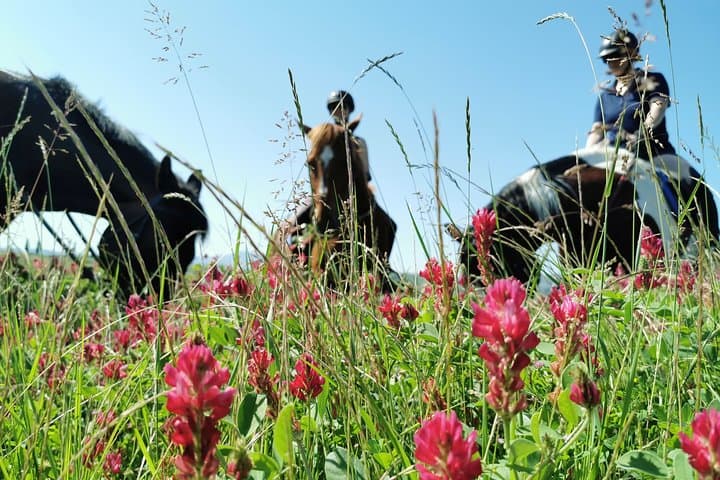
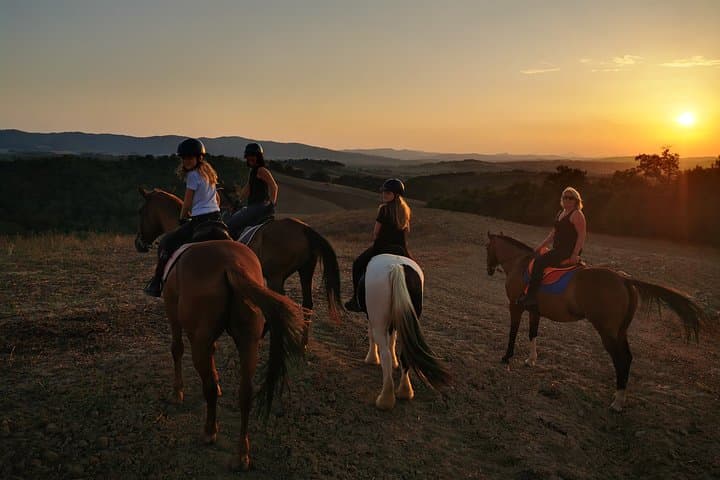

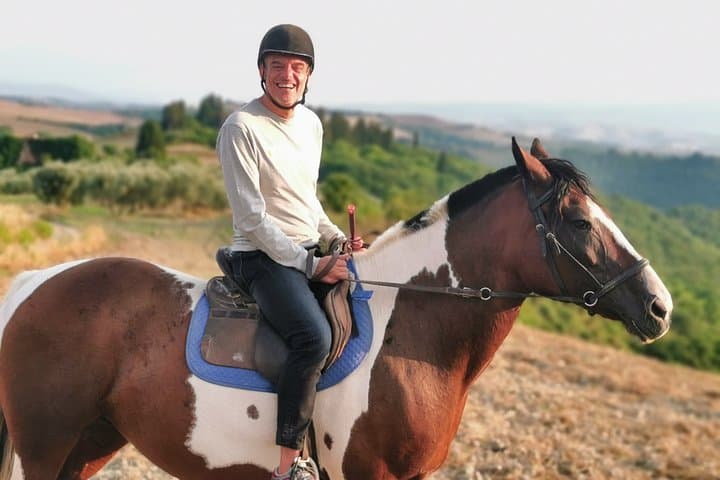
You climb into the saddle and the landscape changes scale—olive trees press close, sun-bleached clay gullies slope away, and the horse's steady breathing sets the pace. The Crete Senesi and the Val d'Arbia open like a living map: low, rounded hills of pale earth, scattered cypress lines, and farmsteads that have worked these soils for centuries.
You climb into the saddle and the landscape changes scale—olive trees press close, sun-bleached clay gullies slope away, and the horse's steady breathing sets the pace. The Crete Senesi and the Val d'Arbia open like a living map: low, rounded hills of pale earth, scattered cypress lines, and farmsteads that have worked these soils for centuries.
This route follows tracks used since Etruscan and medieval times between Siena and the southern Tuscan plain. The geology is obvious: soft clay and sculpted gullies created by erosion, called "crete," give the land its pale, lunar appearance and the trails their firm-but-grippy footing after a dry spell. Locals still graze sheep and manage vineyards here; ask guides about traditional horsemanship and herd care—horses live outside year-round and are handled with visible attention.
The ride is beginner-friendly (walk only by default) and built for slow, immersive travel—expect two to two-and-a-half hours in the saddle and about three hours door-to-door. Trails alternate farm tracks, shaded lanes, and open ridge views; you will pass quiet chapels and working agricultural plots. Guides supply helmets and basic instruction; there is an 85 kg weight limit for horses.
Practical notes: wear long pants and sturdy boots with a small heel, bring water and sun protection, and book morning or late-afternoon slots to avoid midday heat. For a richer experience, combine the ride with a short visit to a nearby abbey or a tasting at a family-run winery—this is slow Tuscany by horse, sensory, steady, and practical.