THE ADVENTURE COLLECTIVE® · Independent discovery and booking for outdoor travel

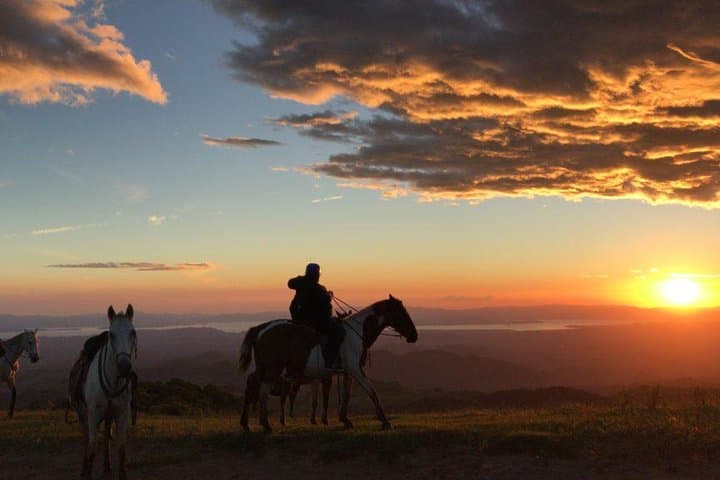
See Monteverde’s cloud forest from horseback — two-hour rides traverse plantations, primary forest and ridgelines with sweeping views of the Gulf of Nicoya. Choose sunrise for birds, mid-morning for clear views, or late afternoon for sunset skies.
See Monteverde’s cloud forest from horseback — two-hour rides traverse plantations, primary forest and ridgelines with sweeping views of the Gulf of Nicoya. Choose sunrise for birds, mid-morning for clear views, or late afternoon for sunset skies.
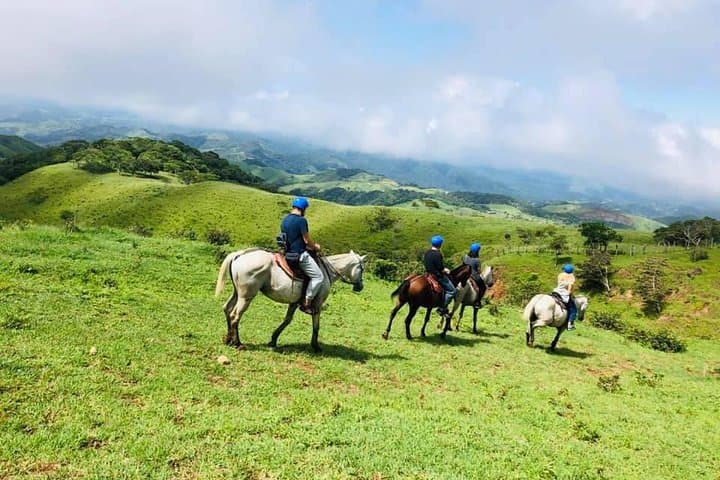
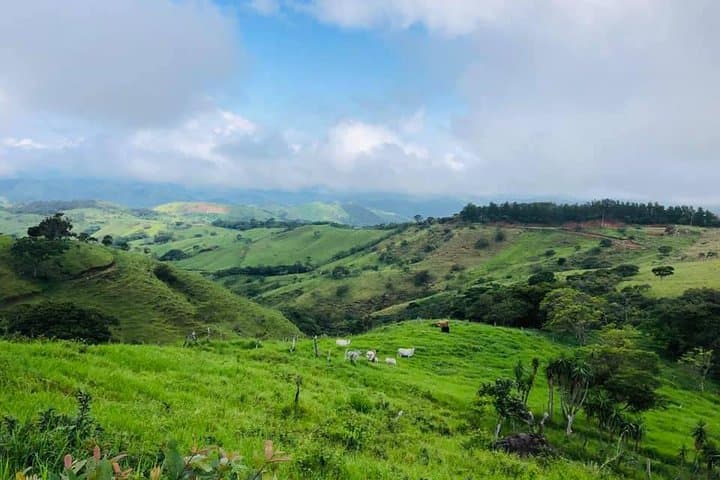
Misty air clings to your jacket as the horses pick their way through a ridge trail, cloud droplets beading on ferns and bromeliads. From the saddle the valley opens — a patchwork of coffee and sugarcane, primary and secondary forest, and distant blue islands of the Gulf of Nicoya pushed like boats into the Pacific haze.
Verified experiences and guided adventures in the surrounding area.
Operated by Faro Travel Costa Rica · Monteverde, Puntarenas
Misty air clings to your jacket as the horses pick their way through a ridge trail, cloud droplets beading on ferns and bromeliads. From the saddle the valley opens — a patchwork of coffee and sugarcane, primary and secondary forest, and distant blue islands of the Gulf of Nicoya pushed like boats into the Pacific haze.
The cloud forest here sits at the meeting line of lowland tropical life and higher-elevation montane species; its soils and steep slopes were shaped by volcanic uplift and persistent orographic rain. Monteverde’s modern story is one of conservation: small farming communities and early settlers helped protect forest fragments that became globally recognized reserves in the 1970s and ’80s.
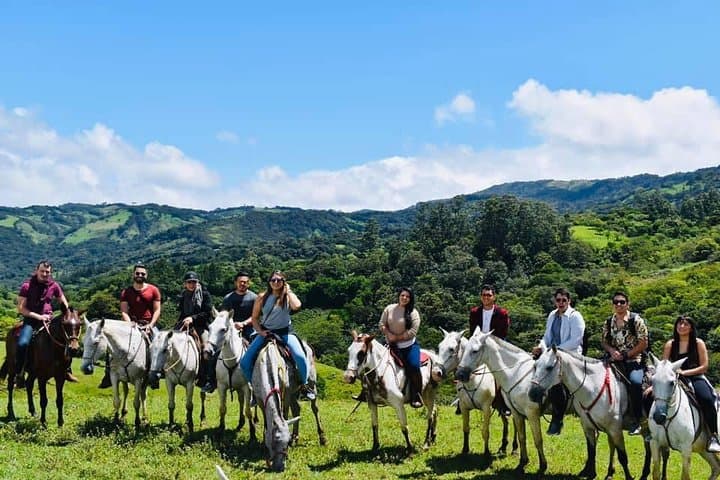
On a two-hour horseback loop you move between open fields and closed-canopy trails, often accompanied by bellbirds, emerald toucanets, and the raucous calls of monkeys. Guides point out working fincas where traditional coffee and cane cultivation continues alongside reforestation efforts, and explain how the ridgelines funnel clouds that feed the forest below.
Practically: tours run at 8:00, 11:00 and 15:00 — mornings favor birding, mid-morning is generally clearest, and afternoons offer dramatic sunsets. Rides are suitable for inexperienced riders; a weight limit is enforced for safety. Expect uneven, sometimes muddy trails and cool, changeable weather — layers and a rain shell make the difference.
Bring binoculars, follow your guide’s instructions, and allow the pace of the horse to reveal views and wildlife you won’t get from a road.
easy.
2 hours.
Light fitness required; riders should be able to mount and sit for two hours and handle uneven terrain.
Yes — tours are designed for inexperienced riders with patient horses and guided instruction; staff will brief you before mounting.
The operator enforces a weight limit of about 210 lb (95 kg) and a height guideline around 6.3 ft (1.9 m) for safety and saddle fit.
Many bookings include roundtrip transportation from Santa Elena — confirm pickup point when you book and expect a short transfer to the private reserve.
Tours may be canceled for heavy rain or unsafe trail conditions; the specific vendor policy is all sales final but will cancel if the operator finds conditions unsafe.
Monteverde’s conservation movement grew in the 1970s as farmers and scientists worked to protect cloud forest fragments; the area became a hub for research and eco-tourism.
The cloud forest is ecologically sensitive — stay on trails, follow guide instructions, and support local operators who invest in reforestation and sustainable land use.
Faro Travel Costa Rica operates guided outdoor trips and adventures with an emphasis on safety, stewardship, and memorable experiences.
Misty air clings to your jacket as the horses pick their way through a ridge trail, cloud droplets beading on ferns and bromeliads. From the saddle the valley opens — a patchwork of coffee and sugarcane, primary and secondary forest, and distant blue islands of the Gulf of Nicoya pushed like boats into the Pacific haze.
Misty air clings to your jacket as the horses pick their way through a ridge trail, cloud droplets beading on ferns and bromeliads. From the saddle the valley opens — a patchwork of coffee and sugarcane, primary and secondary forest, and distant blue islands of the Gulf of Nicoya pushed like boats into the Pacific haze.
The cloud forest here sits at the meeting line of lowland tropical life and higher-elevation montane species; its soils and steep slopes were shaped by volcanic uplift and persistent orographic rain. Monteverde’s modern story is one of conservation: small farming communities and early settlers helped protect forest fragments that became globally recognized reserves in the 1970s and ’80s.
On a two-hour horseback loop you move between open fields and closed-canopy trails, often accompanied by bellbirds, emerald toucanets, and the raucous calls of monkeys. Guides point out working fincas where traditional coffee and cane cultivation continues alongside reforestation efforts, and explain how the ridgelines funnel clouds that feed the forest below.
Practically: tours run at 8:00, 11:00 and 15:00 — mornings favor birding, mid-morning is generally clearest, and afternoons offer dramatic sunsets. Rides are suitable for inexperienced riders; a weight limit is enforced for safety. Expect uneven, sometimes muddy trails and cool, changeable weather — layers and a rain shell make the difference.
Bring binoculars, follow your guide’s instructions, and allow the pace of the horse to reveal views and wildlife you won’t get from a road.