THE ADVENTURE COLLECTIVE® · Independent discovery and booking for outdoor travel

Learn horseback fundamentals at Finca Don Tricia in Guanacaste with private, two‑hour lessons using Quarter Horses and Pura Raza Española. Start in the barn, build trust through groundwork, and progress to basic riding skills under bilingual instruction.
Learn horseback fundamentals at Finca Don Tricia in Guanacaste with private, two‑hour lessons using Quarter Horses and Pura Raza Española. Start in the barn, build trust through groundwork, and progress to basic riding skills under bilingual instruction.
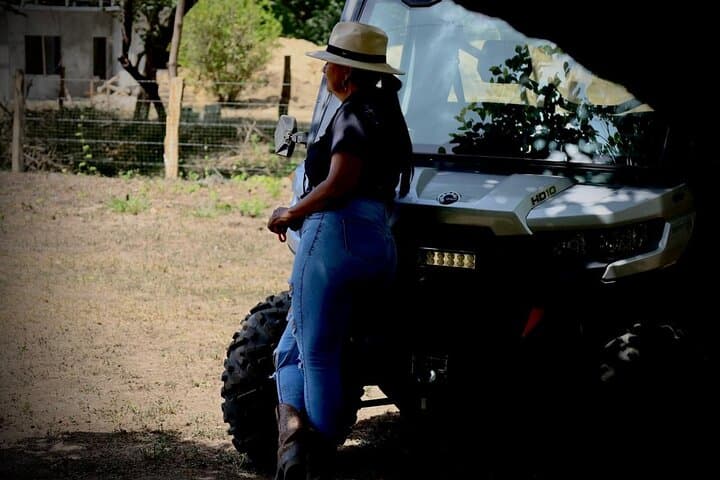
Morning light hits the corrals and the horses answer with soft snorts; hooves shift in the dust as an instructor checks bridles and invites you to step forward.
Verified experiences and guided adventures in the surrounding area.
Operated by Costa Rica Excursions Travel · Liberia, Guanacaste
Morning light hits the corrals and the horses answer with soft snorts; hooves shift in the dust as an instructor checks bridles and invites you to step forward.
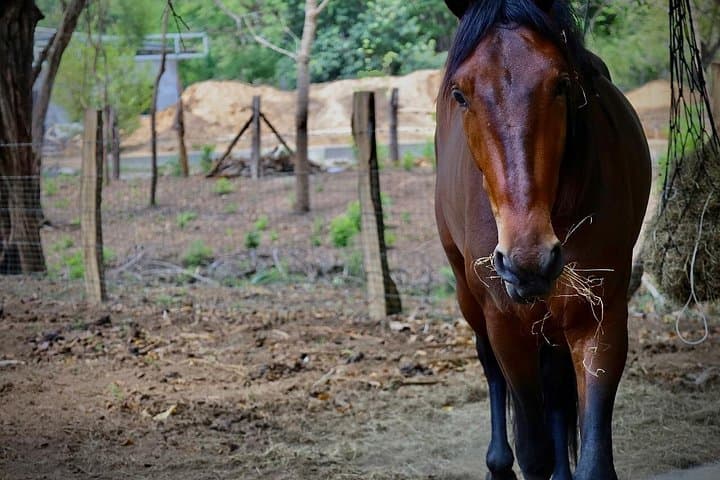
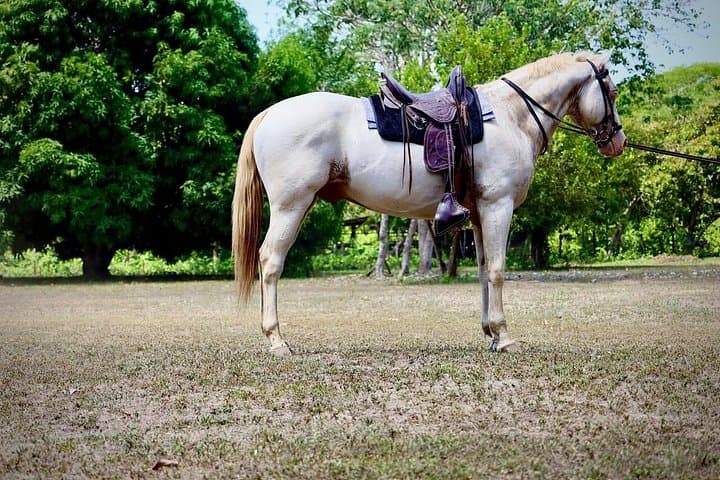
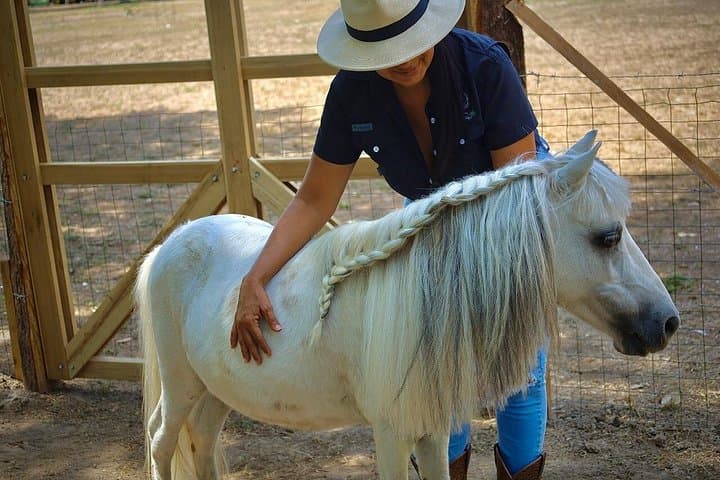
At Finca Don Tricia the lesson begins on the ground: a tour of the barn, a close look at Quarter Horses and Pura Raza Española, and a short primer on stable care. The pace is deliberate—groom, halter, lead—so trust grows before you mount.
Guanacaste’s landscape is defined by volcanic soils, rolling pasture and patches of tropical dry forest. The region’s cattle‑ranching past has shaped local equestrian culture: riders here prioritize practical horsemanship, clarity of cues and calm, steady mounts that concentrate on partnership over speed.
The two‑hour private session moves from observation to hands‑on work. You’ll learn to read basic horse body language, correct saddle posture, rein aids and the transitions used in arena schooling. The instructor emphasizes safety and clear communication: how to approach a horse, how to cue a walk and an easy trot, and what to avoid.
Practical notes: lessons are suitable for beginners and for confident novices who want refinement. The finca supplies tack and bilingual instruction. Expect sun and dust—bring long pants, closed‑toe shoes and water. Pay attention to weight and health restrictions; guests with spinal, heart conditions or pregnancy will be advised against riding.
By the end you’ll have the essentials of control and a clearer sense of horsemanship—the steady rhythm of a horse under you, and the quiet confidence that comes from earning a mount’s trust.
easy.
2 hours.
Suitable for most fitness levels—requires balance and basic mobility to mount, dismount and sit comfortably for short periods.
No—lessons are designed for beginners and novices; instruction progresses from groundwork to basic riding at a comfortable pace.
Yes—people with spinal injuries, serious heart conditions or who are pregnant are advised not to ride; the operator asks for weight and health info when booking.
Yes—saddles, basic tack and a riding helmet are provided by the finca; bring your own helmet if you prefer a personal fit.
Children can ride depending on age, size and ability; check with the operator about minimum age and child safety measures when booking.
Guanacaste has a long ranching tradition; local horsemanship grew from cattle work and the region’s sabanero (cowboy) culture, influencing riding styles and tack.
Respect trail boundaries and avoid feeding wildlife; small stables in the region often follow waste‑management and pasture‑rotation practices to reduce environmental impact.
Costa Rica Excursions Travel operates guided outdoor trips and adventures with an emphasis on safety, stewardship, and memorable experiences.
Morning light hits the corrals and the horses answer with soft snorts; hooves shift in the dust as an instructor checks bridles and invites you to step forward.
Morning light hits the corrals and the horses answer with soft snorts; hooves shift in the dust as an instructor checks bridles and invites you to step forward.
At Finca Don Tricia the lesson begins on the ground: a tour of the barn, a close look at Quarter Horses and Pura Raza Española, and a short primer on stable care. The pace is deliberate—groom, halter, lead—so trust grows before you mount.
Guanacaste’s landscape is defined by volcanic soils, rolling pasture and patches of tropical dry forest. The region’s cattle‑ranching past has shaped local equestrian culture: riders here prioritize practical horsemanship, clarity of cues and calm, steady mounts that concentrate on partnership over speed.
The two‑hour private session moves from observation to hands‑on work. You’ll learn to read basic horse body language, correct saddle posture, rein aids and the transitions used in arena schooling. The instructor emphasizes safety and clear communication: how to approach a horse, how to cue a walk and an easy trot, and what to avoid.
Practical notes: lessons are suitable for beginners and for confident novices who want refinement. The finca supplies tack and bilingual instruction. Expect sun and dust—bring long pants, closed‑toe shoes and water. Pay attention to weight and health restrictions; guests with spinal, heart conditions or pregnancy will be advised against riding.
By the end you’ll have the essentials of control and a clearer sense of horsemanship—the steady rhythm of a horse under you, and the quiet confidence that comes from earning a mount’s trust.