THE ADVENTURE COLLECTIVE® · Independent discovery and booking for outdoor travel

Mount Cotopaxi looms as you ride across cold, open páramo—this guided horseback tour combines 1.5 hours in the saddle with optional hikes to José Rivas Refuge, visits to Limpiopungo Lagoon, and a traditional Ecuadorian lunch. Read on for what to expect and how to prepare for the altitude and terrain.
Mount Cotopaxi looms as you ride across cold, open páramo—this guided horseback tour combines 1.5 hours in the saddle with optional hikes to José Rivas Refuge, visits to Limpiopungo Lagoon, and a traditional Ecuadorian lunch. Read on for what to expect and how to prepare for the altitude and terrain.
You arrive at the high plain before dawn—the air thin, crisp, and edged with volcanic cold. Horses shift and breathe steam; the páramo opens like a wide, grass-swept room with Cotopaxi’s snow cone rising to the sky. The ride moves steadily across uneven tussock and volcanic gravel, each step offering new angles on glaciers, wind-sculpted ridgelines, and the occasional distant herd of wild horses.
Verified experiences and guided adventures in the surrounding area.
Operated by Quito Trip · Latacunga, Cotopaxi
You arrive at the high plain before dawn—the air thin, crisp, and edged with volcanic cold. Horses shift and breathe steam; the páramo opens like a wide, grass-swept room with Cotopaxi’s snow cone rising to the sky. The ride moves steadily across uneven tussock and volcanic gravel, each step offering new angles on glaciers, wind-sculpted ridgelines, and the occasional distant herd of wild horses.
Cotopaxi National Park sits on Ecuador’s Avenue of the Volcanoes and was designated a national park in 1975. Geologically young and active, Cotopaxi’s cone is a landmark of Holocene volcanism; the surrounding páramo is a high-altitude grassland shaped by freeze-thaw cycles and peat soils that store water for lower valleys. Indigenous and colonial histories intersect here—traditionally grazing and pilgrimage routes now shared with guided tours that interpret local culture.
On this 1.5-hour horseback section you’ll likely pass Limpiopungo Lagoon, a calm wetland favored by waterfowl, and can choose a short hike to the José Rivas Refuge (4,864 m) for panoramic photos. Guides supply helmets, bottled water, and regional context; a traditional Ecuadorian lunch finishes the day back near the park entrance.
Practicalities: the full excursion runs about 7–8 hours from Quito or Latacunga with private transport included. Expect variable footing—mire and rocky tracks—so wear ankle-support boots and layered clothing for wind and sun. Stay hydrated and ascend slowly if you’re sensitive to altitude. If you want the best light for photography, plan the ride for morning or late afternoon to avoid harsh midday glare.
moderate.
7–8 hours.
Moderate fitness required—able to sit in a saddle for 1.5 hours and walk short uphill sections at altitude
No expert experience is required—guides match horses to rider ability and provide basic instruction, but you should be comfortable in the saddle for 1.5 hours.
Páramo elevations are high—the José Rivas Refuge sits near 4,864 m; expect shortness of breath and slower pacing. Acclimatize in Quito or Latacunga and inform guides about any health issues.
Common sightings include wild horses, Andean foxes, and waterfowl at Limpiopungo; Andean condors are possible but rare sightings depend on weather and season.
Yes—private transportation to and from the park is typically included in the full-day tour, but confirm pickup location and timing when booking.
Cotopaxi sits within lands historically used for grazing and ritual by indigenous groups; the national park was established in 1975 to protect its volcanic landscape and páramo ecosystems.
The páramo’s peat soils hold crucial water reserves—stay on trails, pack out waste, and avoid trampling fragile vegetation to reduce erosion and habitat damage.
Quito Trip operates guided outdoor trips and adventures with an emphasis on safety, stewardship, and memorable experiences.
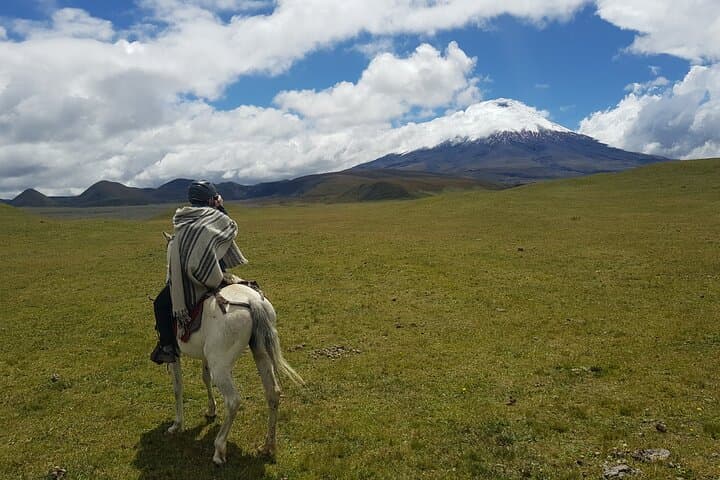
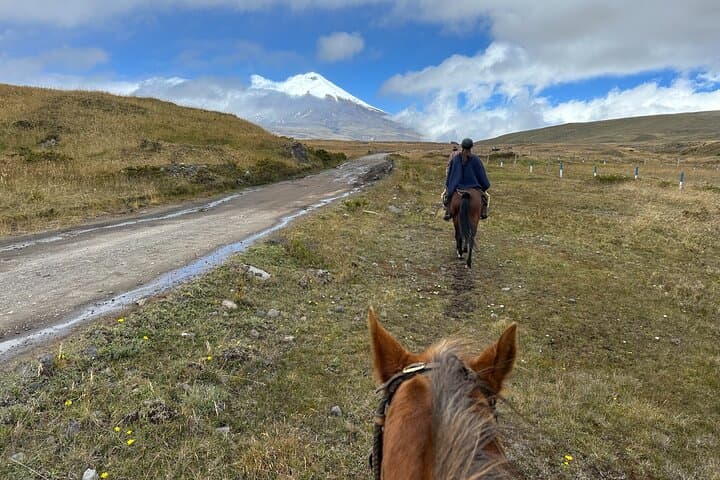
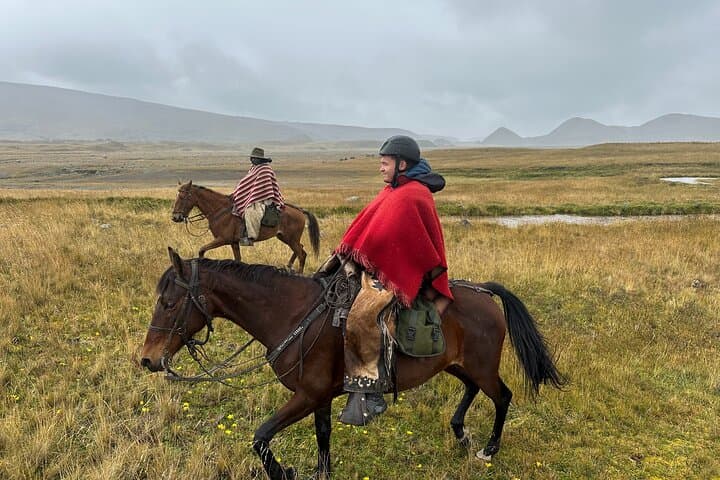
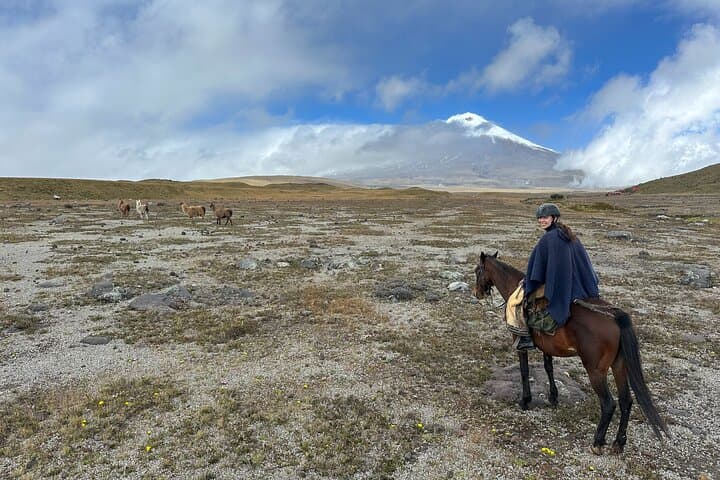
You arrive at the high plain before dawn—the air thin, crisp, and edged with volcanic cold. Horses shift and breathe steam; the páramo opens like a wide, grass-swept room with Cotopaxi’s snow cone rising to the sky. The ride moves steadily across uneven tussock and volcanic gravel, each step offering new angles on glaciers, wind-sculpted ridgelines, and the occasional distant herd of wild horses.
You arrive at the high plain before dawn—the air thin, crisp, and edged with volcanic cold. Horses shift and breathe steam; the páramo opens like a wide, grass-swept room with Cotopaxi’s snow cone rising to the sky. The ride moves steadily across uneven tussock and volcanic gravel, each step offering new angles on glaciers, wind-sculpted ridgelines, and the occasional distant herd of wild horses.
Cotopaxi National Park sits on Ecuador’s Avenue of the Volcanoes and was designated a national park in 1975. Geologically young and active, Cotopaxi’s cone is a landmark of Holocene volcanism; the surrounding páramo is a high-altitude grassland shaped by freeze-thaw cycles and peat soils that store water for lower valleys. Indigenous and colonial histories intersect here—traditionally grazing and pilgrimage routes now shared with guided tours that interpret local culture.
On this 1.5-hour horseback section you’ll likely pass Limpiopungo Lagoon, a calm wetland favored by waterfowl, and can choose a short hike to the José Rivas Refuge (4,864 m) for panoramic photos. Guides supply helmets, bottled water, and regional context; a traditional Ecuadorian lunch finishes the day back near the park entrance.
Practicalities: the full excursion runs about 7–8 hours from Quito or Latacunga with private transport included. Expect variable footing—mire and rocky tracks—so wear ankle-support boots and layered clothing for wind and sun. Stay hydrated and ascend slowly if you’re sensitive to altitude. If you want the best light for photography, plan the ride for morning or late afternoon to avoid harsh midday glare.