THE ADVENTURE COLLECTIVE® · Independent discovery and booking for outdoor travel

Ride calm, steady horses across coastal dunes and beaches in Calblanque Natural Park. This 3‑hour guided experience pairs easy riding with close wildlife sightings and sweeping views of the Mediterranean and Mar Menor.
Ride calm, steady horses across coastal dunes and beaches in Calblanque Natural Park. This 3‑hour guided experience pairs easy riding with close wildlife sightings and sweeping views of the Mediterranean and Mar Menor.
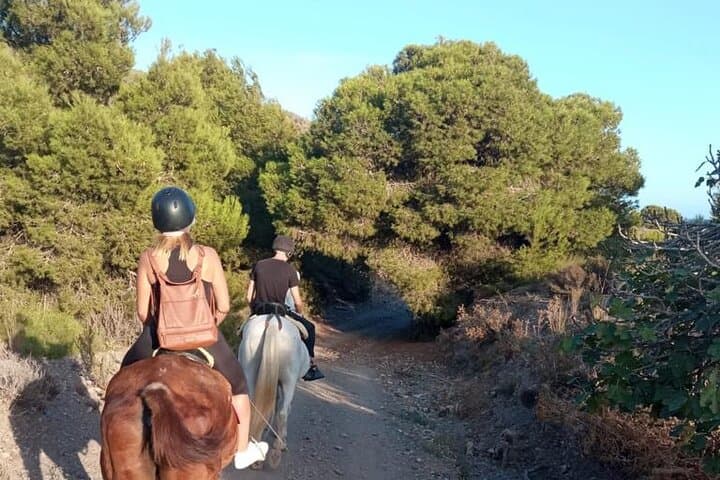
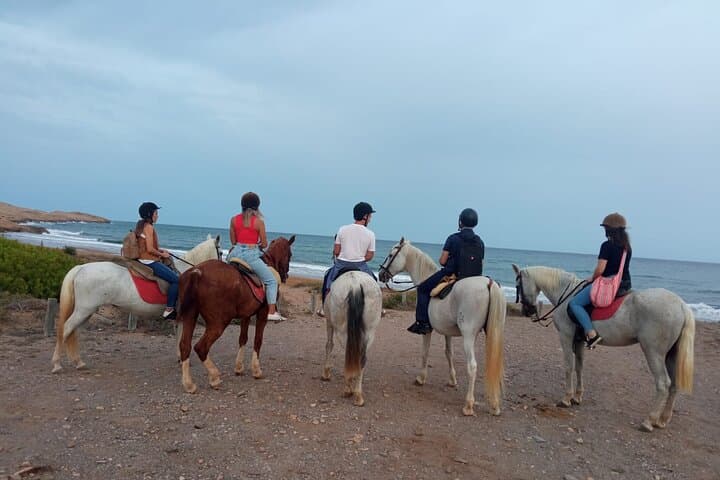
The morning light strips the salt off the rocks as hooves whisper across firm sand—Calblanque opens like a coastal page, wind sketching lines on dunes and Aleppo pines shading a narrow track.
Verified experiences and guided adventures in the surrounding area.
Operated by PlanOut · Cartagena, Region of Murcia
The morning light strips the salt off the rocks as hooves whisper across firm sand—Calblanque opens like a coastal page, wind sketching lines on dunes and Aleppo pines shading a narrow track.
This three-hour ride threads through one of Murcia’s most intact coastal reserves, where the Mediterranean and the Mar Menor trade smells and the land drops into small coves. Geologically, Calblanque is shaped by sand, limestone outcrops and compacted dune systems that resist development; culturally the shoreline has long belonged to small fishing hamlets and shepherding routes rather than to the city.
Expect scrubby Mediterranean flora—carob, fig and lentisk—plus low cliffs that give sudden sea views. Wildlife is plain to see; hares hop ahead and sunning lizards flick tails from sun-baked stones while seabirds quarter the sky.
The ride itself is relaxed and beginner‑friendly: mounted instruction, helmets and saddles are provided, and guides keep the group on designated trails to protect nesting habitat. Rides usually follow flat tracks and packed beaches with minimal elevation gain, making this a good option for first-time riders who still must follow basic safety and weight guidelines.
Practical guide: arrive hydrated and sun-protected, wear long pants and closed shoes to avoid chafing, and plan for changing coastal winds—early morning slots are cooler and offer quieter wildlife viewing. Respect signage and the park’s rules: stay on trails, leave no trace, and carry out any rubbish. On settled days you’ll leave with sand in your boots and a clear sense of a coastal ecosystem that still moves to its own rhythm.
easy.
3 hours.
Suitable for most fitness levels; participants should be able to walk unassisted and follow basic riding instructions.
No—this tour is beginner friendly and includes instruction; guides pair riders with calm horses and keep a controlled pace.
Yes, helmets and saddles are provided as part of the activity; you can bring your own if you prefer.
Booking asks for weight and notes the activity isn’t recommended for people with spinal injuries or pregnancy; disclose any health concerns when booking.
Most visitors drive from Cartagena and park near the reserve access points; check your booking confirmation for the exact meeting coordinates and arrival time.
Calblanque is a protected regional park created to conserve coastal dunes, cliffs and Mediterranean scrub that historically supported fishing and pastoral communities.
The reserve enforces trail use and restricted zones to protect dunes and breeding birds—visitors should stay on paths, avoid disturbing wildlife and pack out all waste.
PlanOut operates guided outdoor trips and adventures with an emphasis on safety, stewardship, and memorable experiences.


The morning light strips the salt off the rocks as hooves whisper across firm sand—Calblanque opens like a coastal page, wind sketching lines on dunes and Aleppo pines shading a narrow track.
The morning light strips the salt off the rocks as hooves whisper across firm sand—Calblanque opens like a coastal page, wind sketching lines on dunes and Aleppo pines shading a narrow track.
This three-hour ride threads through one of Murcia’s most intact coastal reserves, where the Mediterranean and the Mar Menor trade smells and the land drops into small coves. Geologically, Calblanque is shaped by sand, limestone outcrops and compacted dune systems that resist development; culturally the shoreline has long belonged to small fishing hamlets and shepherding routes rather than to the city.
Expect scrubby Mediterranean flora—carob, fig and lentisk—plus low cliffs that give sudden sea views. Wildlife is plain to see; hares hop ahead and sunning lizards flick tails from sun-baked stones while seabirds quarter the sky.
The ride itself is relaxed and beginner‑friendly: mounted instruction, helmets and saddles are provided, and guides keep the group on designated trails to protect nesting habitat. Rides usually follow flat tracks and packed beaches with minimal elevation gain, making this a good option for first-time riders who still must follow basic safety and weight guidelines.
Practical guide: arrive hydrated and sun-protected, wear long pants and closed shoes to avoid chafing, and plan for changing coastal winds—early morning slots are cooler and offer quieter wildlife viewing. Respect signage and the park’s rules: stay on trails, leave no trace, and carry out any rubbish. On settled days you’ll leave with sand in your boots and a clear sense of a coastal ecosystem that still moves to its own rhythm.