THE ADVENTURE COLLECTIVE® · Independent discovery and booking for outdoor travel

Ride beneath one of the world’s highest active volcanoes on a full-day trip from Quito. Two hours on horseback through páramo and a one-hour walk around Limpiopungo Lagoon offer geology, wildlife, and high-altitude terrain in one accessible outing.
Ride beneath one of the world’s highest active volcanoes on a full-day trip from Quito. Two hours on horseback through páramo and a one-hour walk around Limpiopungo Lagoon offer geology, wildlife, and high-altitude terrain in one accessible outing.
A low wind lifts dust off the trail as riders fall into rhythm beneath the looming cone of Cotopaxi. The volcano dominates the horizon—snow and a remnant glacier capping a 19,347-foot peak—while the páramo spreads out in golden tussocks and lupines. Riders move along bridle paths for two hours, the horses steady on gravel and soft boggy patches, before a short drive deposits the group at Limpiopungo Lagoon for a one-hour walk at roughly 12,500 feet.
Verified experiences and guided adventures in the surrounding area.
Operated by Ines Ortiz Jaque · Quito, Pichincha
A low wind lifts dust off the trail as riders fall into rhythm beneath the looming cone of Cotopaxi. The volcano dominates the horizon—snow and a remnant glacier capping a 19,347-foot peak—while the páramo spreads out in golden tussocks and lupines. Riders move along bridle paths for two hours, the horses steady on gravel and soft boggy patches, before a short drive deposits the group at Limpiopungo Lagoon for a one-hour walk at roughly 12,500 feet.
Cotopaxi is one of the highest active volcanoes in the world and has shaped the region’s geology and culture: eruptions and ash layers are visible in surrounding ridgelines, and the park lies within lands long used by Quechua communities for grazing and ceremony. The landscape is primarily páramo—an alpine grassland adapted to high UV, cold nights, and rapid weather shifts—where soil and wetlands store water that feeds lower valleys.
Expect crisp air, strong sun, and sudden wind; trails range from compacted volcanic gravel to peat and wet grass. Wildlife sightings often include Andean condors riding thermals and roaming feral horses against the volcano’s flank. Guides explain conservation priorities, park fees, and the importance of staying on paths to protect fragile bogs.
Practical guidance: allow a full day (8–9 hours door-to-door from Quito), acclimatize beforehand, bring layered clothing, sunscreen, and at least 1.5–2 liters of water. Moderate fitness and basic riding comfort are required; the horseback segment is suitable for beginners but the altitude raises exertion. Check weather and park access before travel—the landscape is dramatic, direct, and uncompromising.
moderate.
8–9 hours.
Participants should have moderate cardiovascular fitness and be comfortable mounting and riding a horse for two hours at high altitude.
No advanced experience is required—guides supply well-trained horses and basic instruction; however, comfort mounting, balancing, and following directions is expected.
The tour includes approximately two hours of horseback riding and a one-hour walk around Limpiopungo Lagoon at about 12,500 feet.
Yes—altitude can affect anyone. Acclimatize in Quito, avoid heavy meals and alcohol the night before, hydrate, and notify the guide of symptoms like severe headache, nausea, or dizziness.
According to the itinerary, the Cotopaxi National Park fee and private transportation are included, along with a national tour guide.
Cotopaxi has been a focal point of Andean culture for centuries and is one of the highest active volcanoes globally (approx. 5,897 m / 19,347 ft); its eruptions shaped surrounding soils and settlement patterns.
The páramo is a fragile water-holding ecosystem—stay on trails, avoid trampling bogs, pack out waste, and support park fees which fund conservation and monitoring.
Ines Ortiz Jaque operates guided outdoor trips and adventures with an emphasis on safety, stewardship, and memorable experiences.
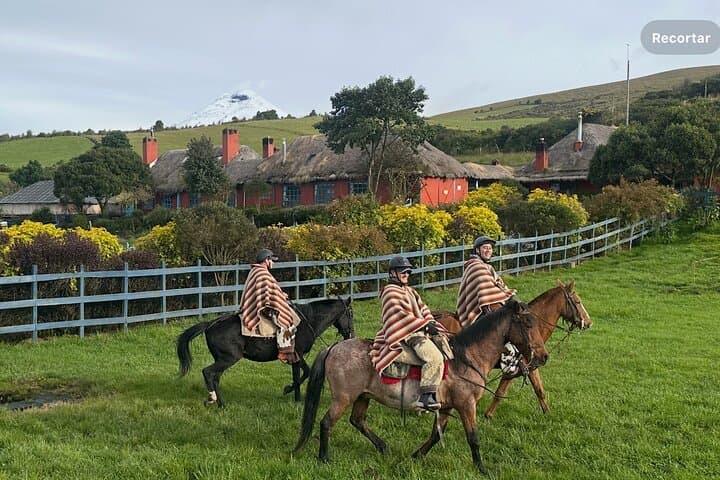
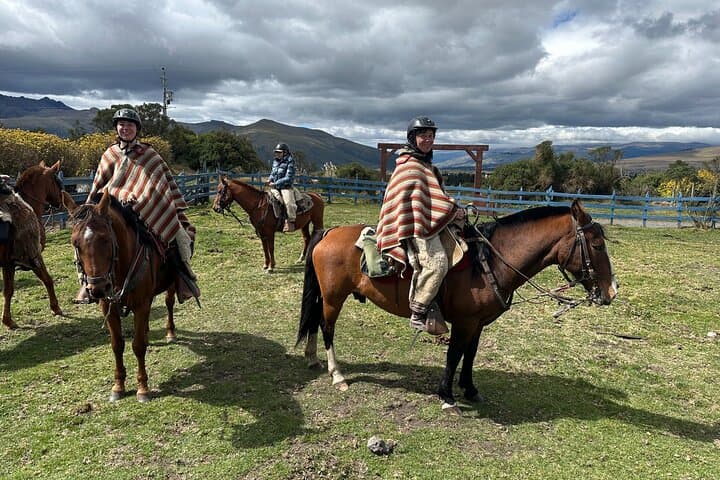
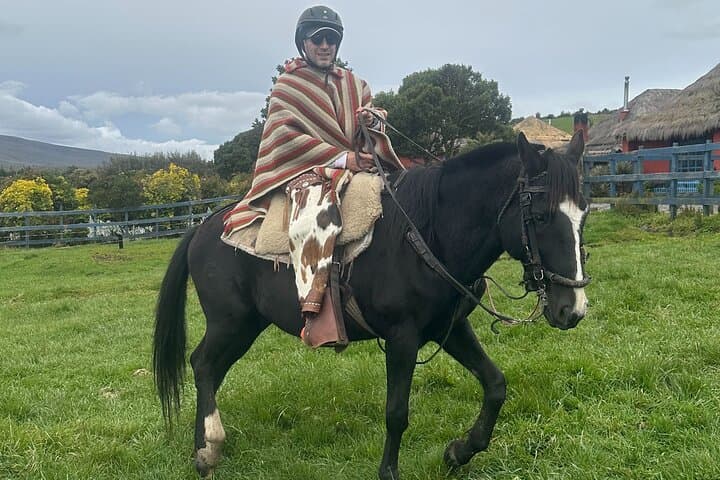
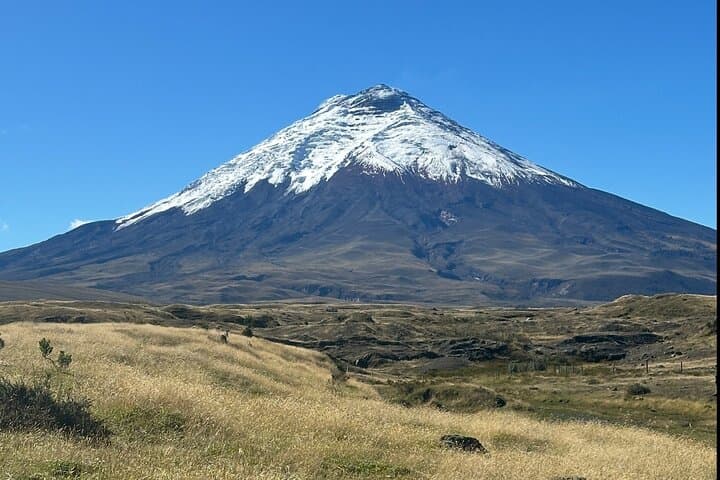
A low wind lifts dust off the trail as riders fall into rhythm beneath the looming cone of Cotopaxi. The volcano dominates the horizon—snow and a remnant glacier capping a 19,347-foot peak—while the páramo spreads out in golden tussocks and lupines. Riders move along bridle paths for two hours, the horses steady on gravel and soft boggy patches, before a short drive deposits the group at Limpiopungo Lagoon for a one-hour walk at roughly 12,500 feet.
A low wind lifts dust off the trail as riders fall into rhythm beneath the looming cone of Cotopaxi. The volcano dominates the horizon—snow and a remnant glacier capping a 19,347-foot peak—while the páramo spreads out in golden tussocks and lupines. Riders move along bridle paths for two hours, the horses steady on gravel and soft boggy patches, before a short drive deposits the group at Limpiopungo Lagoon for a one-hour walk at roughly 12,500 feet.
Cotopaxi is one of the highest active volcanoes in the world and has shaped the region’s geology and culture: eruptions and ash layers are visible in surrounding ridgelines, and the park lies within lands long used by Quechua communities for grazing and ceremony. The landscape is primarily páramo—an alpine grassland adapted to high UV, cold nights, and rapid weather shifts—where soil and wetlands store water that feeds lower valleys.
Expect crisp air, strong sun, and sudden wind; trails range from compacted volcanic gravel to peat and wet grass. Wildlife sightings often include Andean condors riding thermals and roaming feral horses against the volcano’s flank. Guides explain conservation priorities, park fees, and the importance of staying on paths to protect fragile bogs.
Practical guidance: allow a full day (8–9 hours door-to-door from Quito), acclimatize beforehand, bring layered clothing, sunscreen, and at least 1.5–2 liters of water. Moderate fitness and basic riding comfort are required; the horseback segment is suitable for beginners but the altitude raises exertion. Check weather and park access before travel—the landscape is dramatic, direct, and uncompromising.