THE ADVENTURE COLLECTIVE® · Independent discovery and booking for outdoor travel

Choose horse, camel or donkey for a two‑hour ride through Luxor’s green West Bank fields, where Nile-fed plots meet ancient funerary landscapes. This relaxed excursion blends everyday farming life with accessible local history—ideal for travelers wanting gentle outdoor immersion.
Choose horse, camel or donkey for a two‑hour ride through Luxor’s green West Bank fields, where Nile-fed plots meet ancient funerary landscapes. This relaxed excursion blends everyday farming life with accessible local history—ideal for travelers wanting gentle outdoor immersion.
Sunlight skims the Nile as you mount—horse, camel or donkey—and the West Bank unfurls: irrigated plots, sugarcane reeds, and a horizon punctuated by temple silhouettes. The animals pick an easy cadence; the air smells faintly of river mud and spice, and small farmers pause to watch the procession.
Verified experiences and guided adventures in the surrounding area.
Operated by Luxor Travels · Luxor, Luxor Governorate
Sunlight skims the Nile as you mount—horse, camel or donkey—and the West Bank unfurls: irrigated plots, sugarcane reeds, and a horizon punctuated by temple silhouettes. The animals pick an easy cadence; the air smells faintly of river mud and spice, and small farmers pause to watch the procession.
This stretch of Luxor sits opposite the ancient city of Thebes. For millennia the West Bank was home to tomb builders and smallhold farmers who irrigated by basin flooding from the Nile; the landscape you traverse today is a working extension of that layered history. Geologically, the soil is alluvium deposited by seasonal inundation, a contrast to the limestone cliffs that hold the Valley of the Kings a short distance inland.
Culturally, rides like this thread everyday life with tourism—local guides interpret field systems and explain how traditional irrigation and crop choices persist alongside visitor services. Expect to see ox-drawn carts, mudbrick compounds, and irrigation channels that still 'move' the landscape.
Practical guidance: rides run about two hours and are suitable for most fitness levels; choose an animal that matches your balance and confidence—donkeys are steady and low, horses quicker, camels taller and sway differently. Wear closed-toe shoes, long pants and a sun hat; bring 1–1.5 liters of water and sunscreen. Mornings are cooler and quieter; late afternoon light is photogenic but hotter.
Respect private fields and follow your guide’s instructions when crossing irrigation ditches. Tipping handlers and acknowledging local riders with a nod goes a long way toward positive encounters.
easy.
2 hours.
Light fitness adequate; must be able to mount/dismount and sit for short periods.
Children can ride but must be accompanied by an adult; handlers will assess the child’s size and comfort before assigning a mount.
No prior experience is required—rides are relaxed and guides choose gentle routes; choose a donkey if you prefer a lower, steadier ride.
Yes—transport by air‑conditioned vehicle and hotel pickup/drop-off are typically included in the booking.
Specify your preferred animal (horse/camel/donkey), any medical or mobility concerns, and your pickup point so guides can prepare appropriately.
The West Bank served as Thebes’ necropolis and agricultural zone; many modern farms are located on land that supported tomb builders and temple staff in antiquity.
Stick to paths and avoid leaving waste; local communities depend on the Nile’s irrigation, so water conservation and respectful access preserve both farms and wildlife.
Luxor Travels operates guided outdoor trips and adventures with an emphasis on safety, stewardship, and memorable experiences.
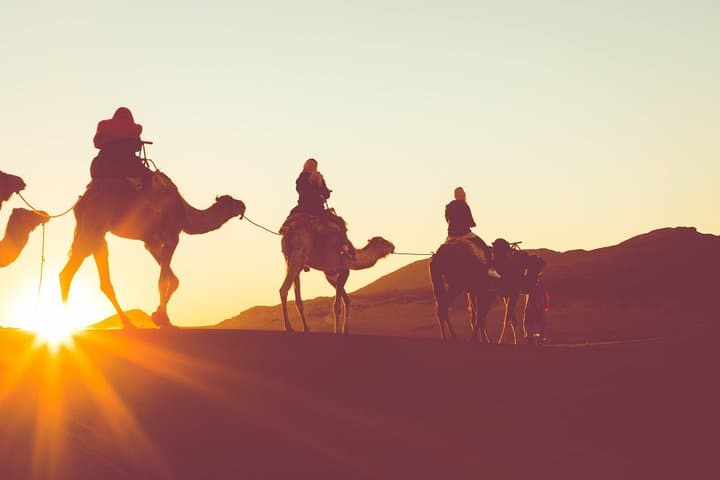
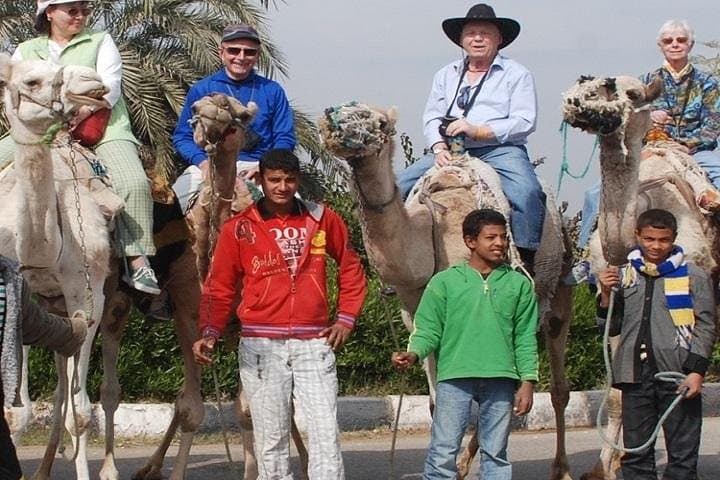
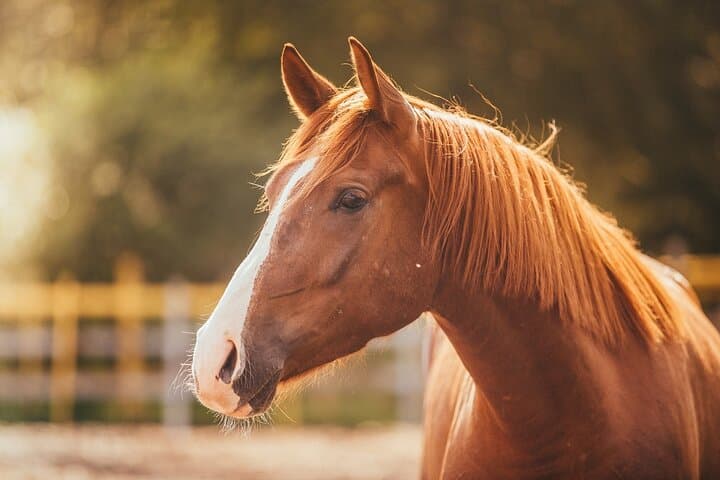
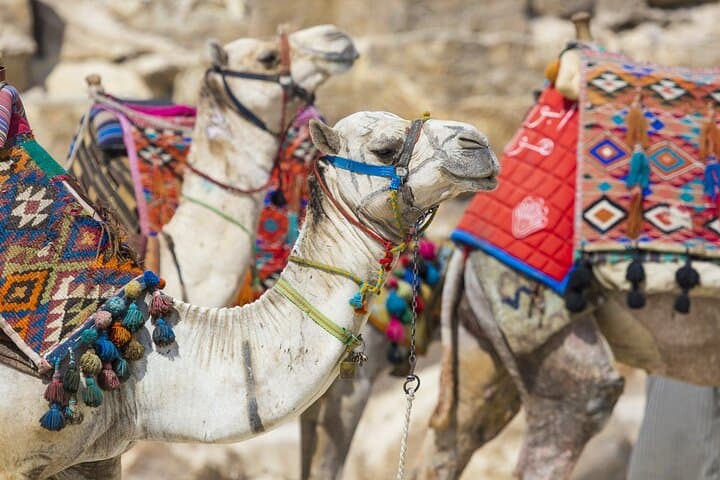
Sunlight skims the Nile as you mount—horse, camel or donkey—and the West Bank unfurls: irrigated plots, sugarcane reeds, and a horizon punctuated by temple silhouettes. The animals pick an easy cadence; the air smells faintly of river mud and spice, and small farmers pause to watch the procession.
Sunlight skims the Nile as you mount—horse, camel or donkey—and the West Bank unfurls: irrigated plots, sugarcane reeds, and a horizon punctuated by temple silhouettes. The animals pick an easy cadence; the air smells faintly of river mud and spice, and small farmers pause to watch the procession.
This stretch of Luxor sits opposite the ancient city of Thebes. For millennia the West Bank was home to tomb builders and smallhold farmers who irrigated by basin flooding from the Nile; the landscape you traverse today is a working extension of that layered history. Geologically, the soil is alluvium deposited by seasonal inundation, a contrast to the limestone cliffs that hold the Valley of the Kings a short distance inland.
Culturally, rides like this thread everyday life with tourism—local guides interpret field systems and explain how traditional irrigation and crop choices persist alongside visitor services. Expect to see ox-drawn carts, mudbrick compounds, and irrigation channels that still 'move' the landscape.
Practical guidance: rides run about two hours and are suitable for most fitness levels; choose an animal that matches your balance and confidence—donkeys are steady and low, horses quicker, camels taller and sway differently. Wear closed-toe shoes, long pants and a sun hat; bring 1–1.5 liters of water and sunscreen. Mornings are cooler and quieter; late afternoon light is photogenic but hotter.
Respect private fields and follow your guide’s instructions when crossing irrigation ditches. Tipping handlers and acknowledging local riders with a nod goes a long way toward positive encounters.