THE ADVENTURE COLLECTIVE® · Independent discovery and booking for outdoor travel

Round a remote headland to find Hornvík’s vertiginous cliffs, booming with puffins and kittiwakes. This boat-access day trip pairs dramatic geology with demanding hiking—perfect for travelers seeking isolation and big seabird colonies.
Round a remote headland to find Hornvík’s vertiginous cliffs, booming with puffins and kittiwakes. This boat-access day trip pairs dramatic geology with demanding hiking—perfect for travelers seeking isolation and big seabird colonies.
A raw wind meets the boat as you round the final headland and Hornvík opens—a bowl of slate cliffs and sea. The cliffs themselves dominate the view: Hælavíkurbjarg slicing straight up to about 258 meters and Hornbjarg rising over 500 meters above a restless North Atlantic. Puffins and kittiwakes blur along the faces while the sea below dares you to draw closer.
Verified experiences and guided adventures in the surrounding area.
Operated by Sjóferðir · Ísafjörður, Westfjords
A raw wind meets the boat as you round the final headland and Hornvík opens—a bowl of slate cliffs and sea. The cliffs themselves dominate the view: Hælavíkurbjarg slicing straight up to about 258 meters and Hornbjarg rising over 500 meters above a restless North Atlantic. Puffins and kittiwakes blur along the faces while the sea below dares you to draw closer.
This place carries human history lightly. Scattered settlements were occupied into the mid-20th century before isolation and changing fisheries emptied the coves; the area is now protected as part of the Hornstrandir nature reserve to preserve seabird colonies and Arctic fox habitat. Geologically, the cliffs are layered basalt and pillow lavas carved by ice and sea, producing sheer drops and talus benches that funnel seabirds into dense colonies.
Expect a rugged, single-day outing: a boat transit from Ísafjörður, 6 km of hiking on rough, steep and sometimes slippery ground, and roughly 6–7 hours ashore to explore viewpoints, bird colonies, and old ruins. Trails are uneven; the footing demands steady shoes and concentration. Weather shifts fast—sun can be followed by stiff spray and fog within an hour—so plan for layers, waterproofs and conservative timing to ensure you’re back at the rendezvous well before departure.
Bring binoculars, keep distances from nesting birds, and treat the reserve with care: the wild here is both fragile and fiercely independent.
challenging.
10–12 hours.
Good cardiovascular fitness and strong ankles recommended; comfortable on uneven, steep terrain for several hours.
Expect about 6 km of hiking over rough and steep terrain; time on shore is typically 6–7 hours within a 10–12 hour overall trip.
Yes—puffins nest on cliff ledges in summer, but viewing is best with binoculars and from safe distances to avoid disturbance.
Older children with good hiking experience and stable footing can join, but the cliffs and boat transfer make it unsuitable for very young kids.
Operators may cancel or delay the trip due to sea conditions; refunds or rebookings are typically offered if the boat cannot safely land.
Small fishing communities occupied coves in Hornstrandir until the mid-20th century; declining fisheries and isolation led to abandonment and protection as a nature reserve to conserve seabird and fox populations.
Hornstrandir is sensitive habitat—stay on paths, keep distance from nests, pack out waste, and follow local guidance to avoid stressing wildlife during the breeding season.
Sjóferðir operates guided outdoor trips and adventures with an emphasis on safety, stewardship, and memorable experiences.
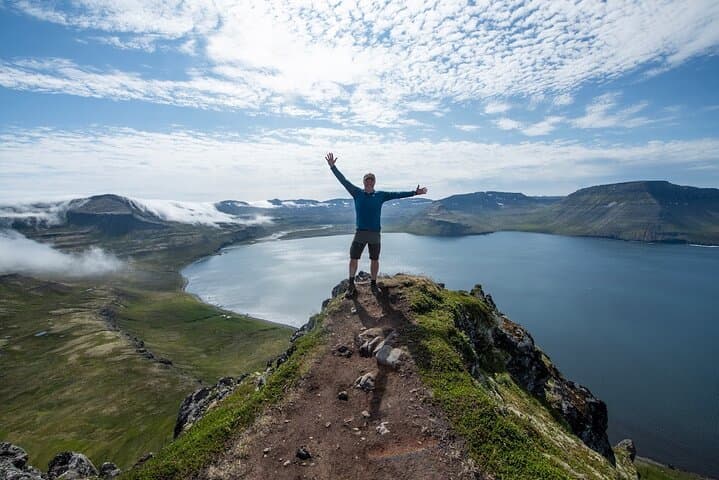
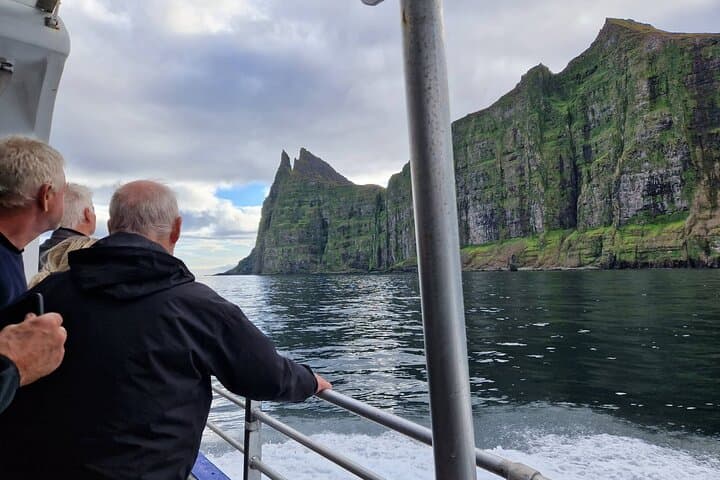
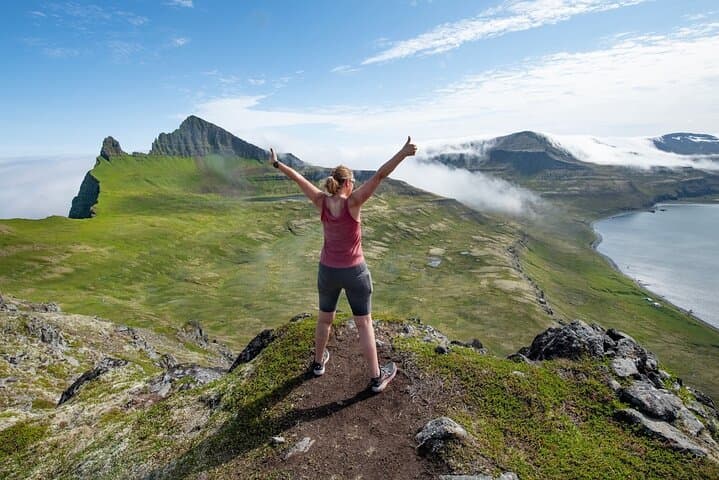
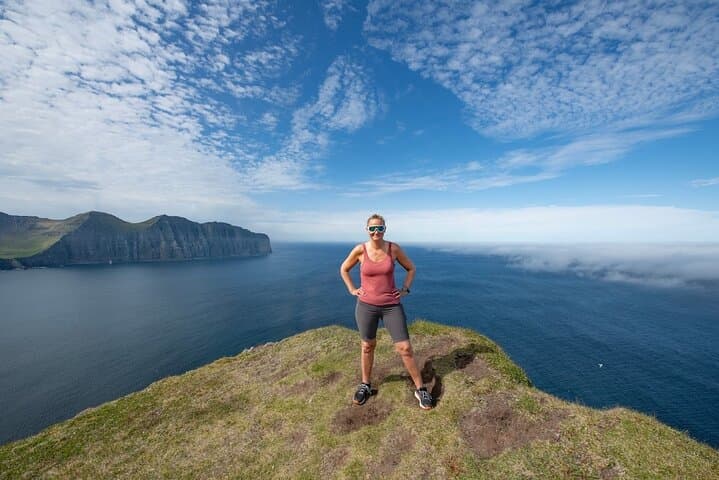
A raw wind meets the boat as you round the final headland and Hornvík opens—a bowl of slate cliffs and sea. The cliffs themselves dominate the view: Hælavíkurbjarg slicing straight up to about 258 meters and Hornbjarg rising over 500 meters above a restless North Atlantic. Puffins and kittiwakes blur along the faces while the sea below dares you to draw closer.
A raw wind meets the boat as you round the final headland and Hornvík opens—a bowl of slate cliffs and sea. The cliffs themselves dominate the view: Hælavíkurbjarg slicing straight up to about 258 meters and Hornbjarg rising over 500 meters above a restless North Atlantic. Puffins and kittiwakes blur along the faces while the sea below dares you to draw closer.
This place carries human history lightly. Scattered settlements were occupied into the mid-20th century before isolation and changing fisheries emptied the coves; the area is now protected as part of the Hornstrandir nature reserve to preserve seabird colonies and Arctic fox habitat. Geologically, the cliffs are layered basalt and pillow lavas carved by ice and sea, producing sheer drops and talus benches that funnel seabirds into dense colonies.
Expect a rugged, single-day outing: a boat transit from Ísafjörður, 6 km of hiking on rough, steep and sometimes slippery ground, and roughly 6–7 hours ashore to explore viewpoints, bird colonies, and old ruins. Trails are uneven; the footing demands steady shoes and concentration. Weather shifts fast—sun can be followed by stiff spray and fog within an hour—so plan for layers, waterproofs and conservative timing to ensure you’re back at the rendezvous well before departure.
Bring binoculars, keep distances from nesting birds, and treat the reserve with care: the wild here is both fragile and fiercely independent.