THE ADVENTURE COLLECTIVE® · Independent discovery and booking for outdoor travel

Walk Hope Street from the Metropolitan Cathedral toward LIPA on a compact self-guided audio tour that highlights Liverpool’s theatres, historic pubs and musical institutions. Download the audio, leave 35–50 minutes, and let the city’s performing-arts pulse guide your pace.
Walk Hope Street from the Metropolitan Cathedral toward LIPA on a compact self-guided audio tour that highlights Liverpool’s theatres, historic pubs and musical institutions. Download the audio, leave 35–50 minutes, and let the city’s performing-arts pulse guide your pace.
Step off the cathedral plaza and the city changes its voice: stone and glass fall away into a single civic spine where theatres, music schools and old pubs press close to one another. The Hope Street Stroll threads between two cathedrals and through Liverpool’s cultural corridor, a compact urban walk that lets the city’s performing-arts history set the pace.
Verified experiences and guided adventures in the surrounding area.
Operated by VoiceMap Audio Tours · Liverpool, Merseyside
Step off the cathedral plaza and the city changes its voice: stone and glass fall away into a single civic spine where theatres, music schools and old pubs press close to one another. The Hope Street Stroll threads between two cathedrals and through Liverpool’s cultural corridor, a compact urban walk that lets the city’s performing-arts history set the pace.
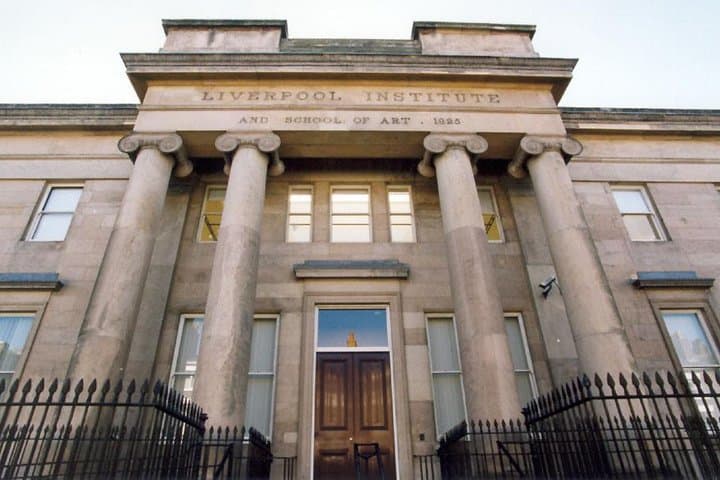
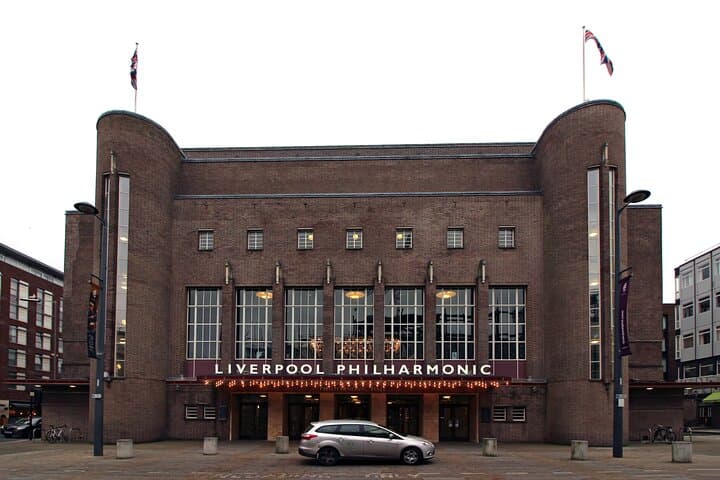
Hope Street grew during Victorian expansion as a deliberate cultural link; its architecture ranges from civic redbrick to ornate late-19th-century façades. Geology is subtle here — sandstone and reclaimed brick tell of the region’s clay and industrial past more than dramatic bedrock — while the cultural topography is obvious: the Everyman, the Royal Philharmonic, LIPA and small rehearsal rooms where future performers sharpen their craft.
Local life colors the route: weekday students and evening theatre crowds, independent restaurants offering tapas to tasting menus, and old pubs where tiled interiors outshine neon. There’s a democratic energy to the street — music schools shoulder into gastropubs, and murals and memorial plaques give way to quiet courtyards.
Practical guidance: allow 35–50 minutes to follow the audio route, pause for interiors and cafés, and use the offline maps included with the app. Expect mostly paved, level sidewalks with short steps at some entrances; the route is wheelchair accessible but check door thresholds at older buildings. Headphones, a charged phone and weatherproof layers will keep you comfortable. Walk with situational awareness — traffic and evening crowds make short diversions common — and time the stroll to catch theatre lobbies or a late-afternoon light that flatters the façades.
easy.
35–50 minutes.
Suitable for most fitness levels; requires only light walking and short periods standing
The audio route runs about 35–50 minutes depending on pauses for photos, cafés or interiors.
Start at the Metropolitan Cathedral; the route follows Hope Street through theatre stops and ends near LIPA/Liverpool Cathedral area depending on the app itinerary.
The tour is described as wheelchair accessible; sidewalks are level for most of the walk, though some older door thresholds and interiors may have steps.
No—this audio tour is independent and free to follow, though entry to theatre performances or some interiors may require separate tickets.
Hope Street was developed in the 19th century to link civic institutions; over time it became the cultural spine uniting Liverpool’s music and theatre scenes.
Local groups prioritize preserving historic façades and managing visitor impact; stick to sidewalks and use bins to reduce litter on this compact heritage route.
VoiceMap Audio Tours operates guided outdoor trips and adventures with an emphasis on safety, stewardship, and memorable experiences.
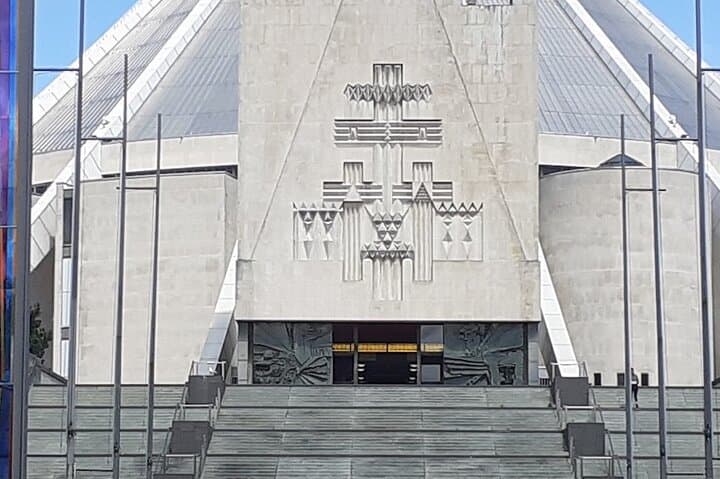
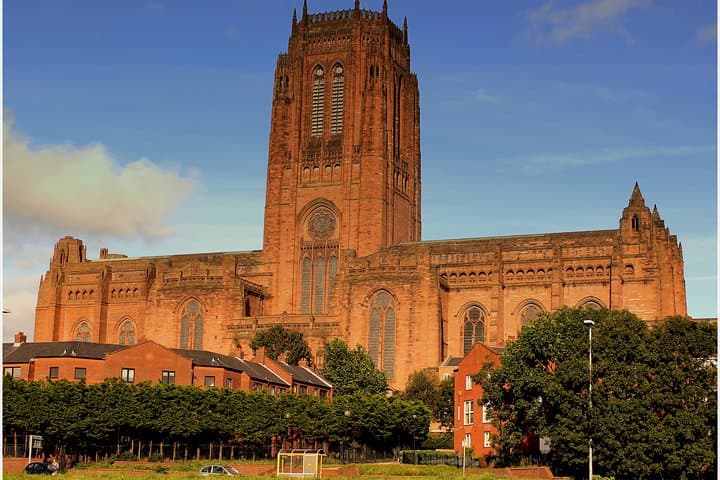
Step off the cathedral plaza and the city changes its voice: stone and glass fall away into a single civic spine where theatres, music schools and old pubs press close to one another. The Hope Street Stroll threads between two cathedrals and through Liverpool’s cultural corridor, a compact urban walk that lets the city’s performing-arts history set the pace.
Step off the cathedral plaza and the city changes its voice: stone and glass fall away into a single civic spine where theatres, music schools and old pubs press close to one another. The Hope Street Stroll threads between two cathedrals and through Liverpool’s cultural corridor, a compact urban walk that lets the city’s performing-arts history set the pace.
Hope Street grew during Victorian expansion as a deliberate cultural link; its architecture ranges from civic redbrick to ornate late-19th-century façades. Geology is subtle here — sandstone and reclaimed brick tell of the region’s clay and industrial past more than dramatic bedrock — while the cultural topography is obvious: the Everyman, the Royal Philharmonic, LIPA and small rehearsal rooms where future performers sharpen their craft.
Local life colors the route: weekday students and evening theatre crowds, independent restaurants offering tapas to tasting menus, and old pubs where tiled interiors outshine neon. There’s a democratic energy to the street — music schools shoulder into gastropubs, and murals and memorial plaques give way to quiet courtyards.
Practical guidance: allow 35–50 minutes to follow the audio route, pause for interiors and cafés, and use the offline maps included with the app. Expect mostly paved, level sidewalks with short steps at some entrances; the route is wheelchair accessible but check door thresholds at older buildings. Headphones, a charged phone and weatherproof layers will keep you comfortable. Walk with situational awareness — traffic and evening crowds make short diversions common — and time the stroll to catch theatre lobbies or a late-afternoon light that flatters the façades.