THE ADVENTURE COLLECTIVE® · Independent discovery and booking for outdoor travel

See Lisbon by bus and boat: flexible lines to Belém, Alfama, Oriente and Cascais let you choose the pace. This guide highlights key stops, local context and practical tips to plan your day on the Tagus.
See Lisbon by bus and boat: flexible lines to Belém, Alfama, Oriente and Cascais let you choose the pace. This guide highlights key stops, local context and practical tips to plan your day on the Tagus.
You step off the bus at Marquês de Pombal and the city opens in stages: azulejo-faced facades, tram tracks rattling like a pulse, and the Tagus daring you to move toward the water. The hop-on hop-off system hands you a practical map of Lisbon’s elevations and moods — from the low riverfront of Terreiro do Paço to the cliffs and surf outside Cascais where the Atlantic meets the estuary.
Verified experiences and guided adventures in the surrounding area.
Operated by Cityrama · Lisbon, Lisboa
You step off the bus at Marquês de Pombal and the city opens in stages: azulejo-faced facades, tram tracks rattling like a pulse, and the Tagus daring you to move toward the water. The hop-on hop-off system hands you a practical map of Lisbon’s elevations and moods — from the low riverfront of Terreiro do Paço to the cliffs and surf outside Cascais where the Atlantic meets the estuary.
Lisbon’s story is maritime: the monuments of Belém mark the Age of Discoveries and the city’s 1755 earthquake reshaped its streets and engineering. Geologically, the Tagus estuary carves broad tidal flats and reveals sedimentary slopes near the coastline, while Guincho’s wind-exposed cliffs show older coastal abrasion. Culture is audible here in fado notes from Alfama, the market calls at Time Out, and modern art at MAAT.
Practically, expect flexible days—tickets valid for 24–72 hours let you break sightseeing into manageable chunks. Lines focus on thematic routes: Belém, Oriente, Castle, Cascais, Uptown, and a dedicated boat loop that’s calmer in the morning when currents push you smoothly past monuments. Wear sturdy walking shoes for cobbled streets and hill climbs; the boat gives a low, reflective angle of the city that photos from viewpoints can’t match.
Plan major stops (Jerónimos Monastery, Belém Tower, Oceanarium) for first light or late afternoon to avoid crowds. Validate your mobile voucher at the Marquês kiosk or show it on board. Carry water, a light layer for coastal wind, and a power bank — Lisbon’s viewpoints reward early risers and patient walkers.
easy.
2–6 hours (flexible across routes).
Suitable for most fitness levels; expect short uphill walks and stairs at viewpoints
Most fixed loops run 90–120 minutes end-to-end; you can stay on for a full circuit or hop off at designated stops.
Boat Hop On Hop Off is included when selected or with certain ticket packages—confirm your package before boarding.
Yes, the operation lists wheelchair-accessible vehicles, but check specifics and request assistance when booking if you need step-free access.
Full refund available if cancelled at least 24 hours before the scheduled time; check your booking confirmation for exact terms.
Stops in Belém commemorate Portugal’s Age of Discoveries; Lisbon’s 1755 earthquake and subsequent rebuilding shaped the Baixa grid and Pombaline architecture.
The Tagus estuary is ecologically sensitive—stick to marked paths, avoid feeding wildlife, and choose operators that support local conservation efforts.
Cityrama operates guided outdoor trips and adventures with an emphasis on safety, stewardship, and memorable experiences.

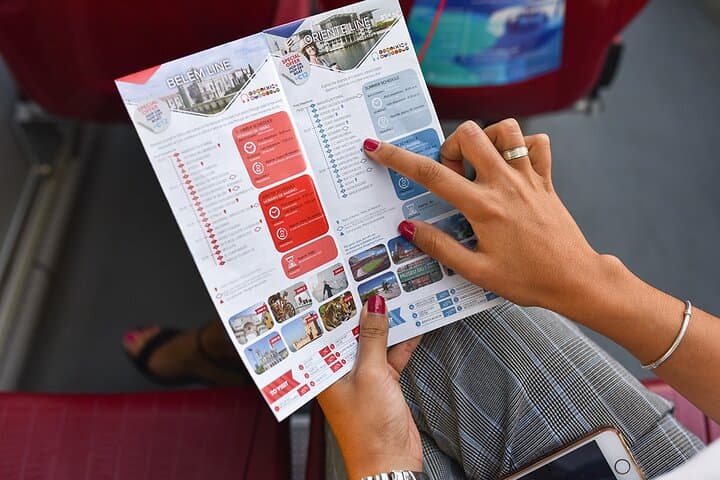
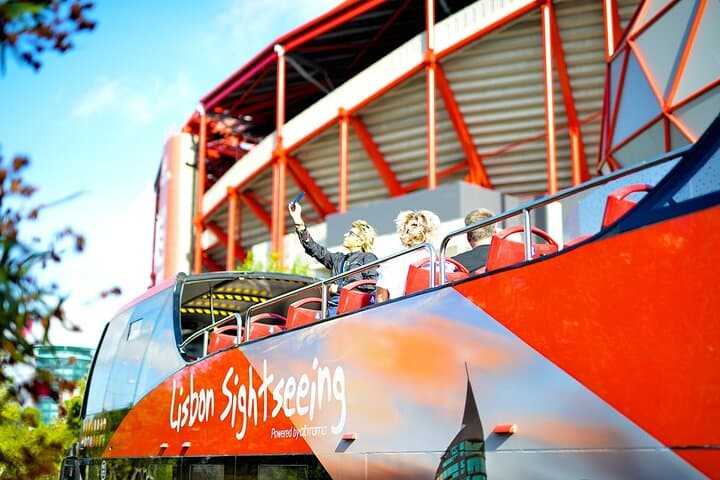
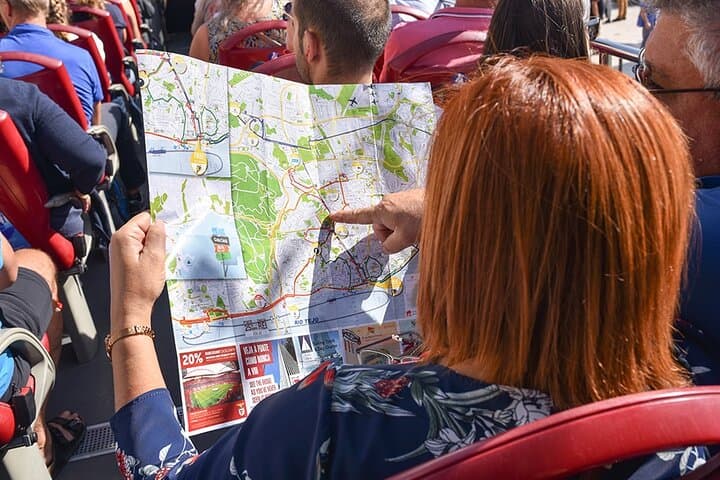
You step off the bus at Marquês de Pombal and the city opens in stages: azulejo-faced facades, tram tracks rattling like a pulse, and the Tagus daring you to move toward the water. The hop-on hop-off system hands you a practical map of Lisbon’s elevations and moods — from the low riverfront of Terreiro do Paço to the cliffs and surf outside Cascais where the Atlantic meets the estuary.
You step off the bus at Marquês de Pombal and the city opens in stages: azulejo-faced facades, tram tracks rattling like a pulse, and the Tagus daring you to move toward the water. The hop-on hop-off system hands you a practical map of Lisbon’s elevations and moods — from the low riverfront of Terreiro do Paço to the cliffs and surf outside Cascais where the Atlantic meets the estuary.
Lisbon’s story is maritime: the monuments of Belém mark the Age of Discoveries and the city’s 1755 earthquake reshaped its streets and engineering. Geologically, the Tagus estuary carves broad tidal flats and reveals sedimentary slopes near the coastline, while Guincho’s wind-exposed cliffs show older coastal abrasion. Culture is audible here in fado notes from Alfama, the market calls at Time Out, and modern art at MAAT.
Practically, expect flexible days—tickets valid for 24–72 hours let you break sightseeing into manageable chunks. Lines focus on thematic routes: Belém, Oriente, Castle, Cascais, Uptown, and a dedicated boat loop that’s calmer in the morning when currents push you smoothly past monuments. Wear sturdy walking shoes for cobbled streets and hill climbs; the boat gives a low, reflective angle of the city that photos from viewpoints can’t match.
Plan major stops (Jerónimos Monastery, Belém Tower, Oceanarium) for first light or late afternoon to avoid crowds. Validate your mobile voucher at the Marquês kiosk or show it on board. Carry water, a light layer for coastal wind, and a power bank — Lisbon’s viewpoints reward early risers and patient walkers.