THE ADVENTURE COLLECTIVE® · Independent discovery and booking for outdoor travel

Cross the Pat Tillman Bridge, peer into the Black Canyon, and go behind the scenes of Hoover Dam’s powerplant on a small-group walking tour. Expect 4–5 hours, bottled water, and close-up engineering history with a maximum of 12 guests.
Cross the Pat Tillman Bridge, peer into the Black Canyon, and go behind the scenes of Hoover Dam’s powerplant on a small-group walking tour. Expect 4–5 hours, bottled water, and close-up engineering history with a maximum of 12 guests.
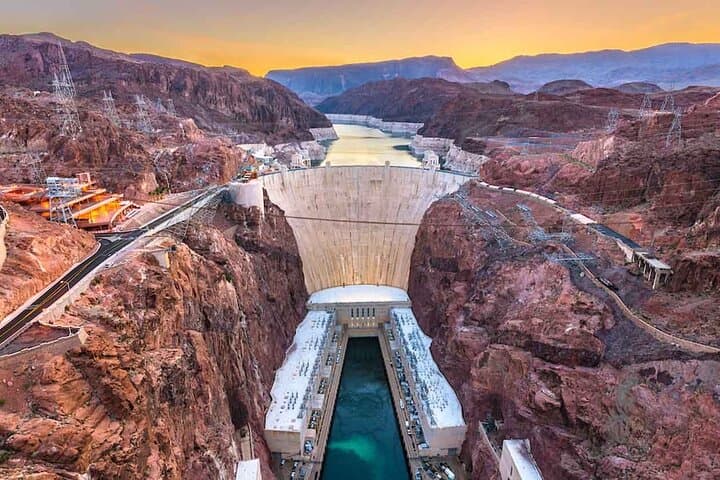
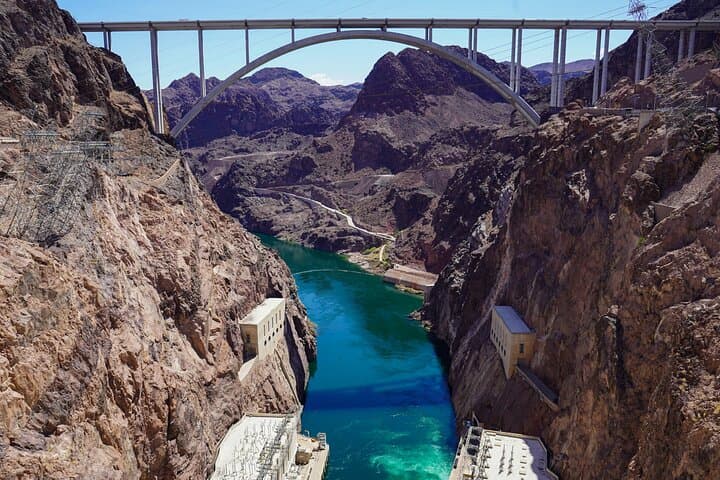
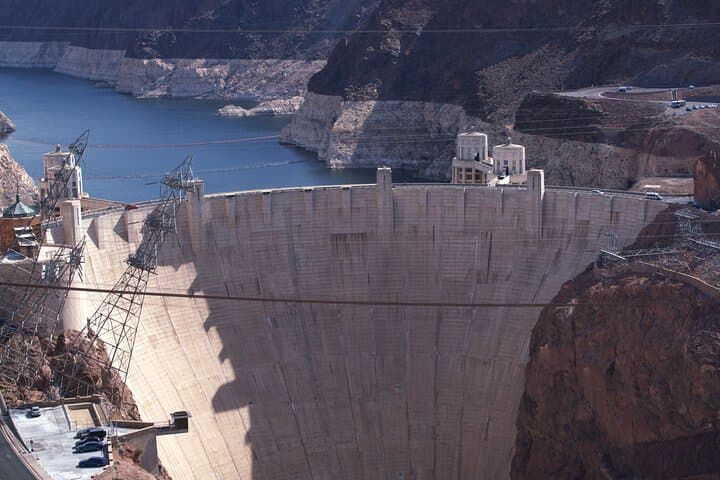
The concrete face of the Hoover Dam fills the view before you — a broad, man-made cliff holding back Lake Mead while the Colorado River keeps pushing forward beneath. On this small-group walking tour you’ll cross the Mike O'Callaghan-Pat Tillman Memorial Bridge, lean on the railing and watch the river thread the Black Canyon, then descend into the powerplant to see turbines turn ancient water into modern electricity.
Verified experiences and guided adventures in the surrounding area.
Operated by Evolution Expeditions · Boulder City, Nevada
The concrete face of the Hoover Dam fills the view before you — a broad, man-made cliff holding back Lake Mead while the Colorado River keeps pushing forward beneath. On this small-group walking tour you’ll cross the Mike O'Callaghan-Pat Tillman Memorial Bridge, lean on the railing and watch the river thread the Black Canyon, then descend into the powerplant to see turbines turn ancient water into modern electricity.
Built in the 1930s during the Great Depression, Hoover Dam changed the American West: it tampered with the Colorado River’s flow, created Lake Mead, and catalyzed regional growth. Geologically, the canyon is a contrast of dark volcanic rock and lighter sedimentary layers carved by water and time — the river’s persistence visible in sheer walls and boulder-strewn talus.
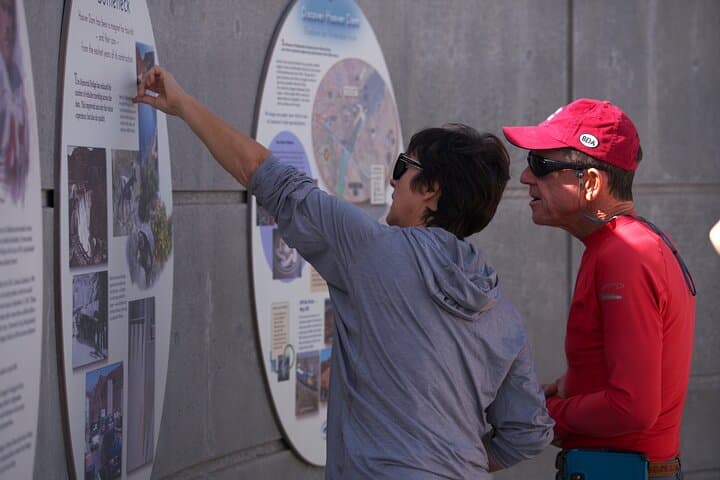
Culturally the site blends federal-era engineering pride with local stories of labor and migration; plaques on the bridge and exhibits in the visitor area highlight both the dam’s construction and its ongoing role in Southwest water and power politics.
Practically, expect about 4–5 hours round trip from Las Vegas, comfortable walking on paved surfaces and stair access in the powerplant. Security screenings are standard for powerplant entry; photo restrictions may apply in turbine areas. Summer brings intense sun and heat — early departures are cooler and clearer for photos. Guides provide bottled water, snacks, and a compact group experience limited to 12 people, making it easier to ask questions and linger at viewpoints. Wear a brimmed hat, sturdy shoes, and layers for windy bridge crossings; bring ID for entrance. The tour balances history, engineering, and expansive canyon views into a single, accessible outing.
easy.
4–5 hours.
Suitable for most fitness levels; requires walking on paved paths and stairs with short elevation changes
The tour is about 4–5 hours, including scenic stops, bridge crossing, and access to the Hoover Dam Powerplant; bottled water, snacks, and entrance fees are included.
The tour is described as suitable for all fitness levels; however, the powerplant has stairs and some walking is required—contact the operator about wheelchair access and mobility needs.
Photography is permitted in many public areas, but restricted near turbines and certain operational equipment; follow guide instructions and signage.
Tours typically depart from the Las Vegas Strip with air-conditioned transport to the dam and back; pickup point is selected at booking.
Hoover Dam was constructed 1931–1936 as a massive federal public works project that harnessed the Colorado River for flood control, water storage, and hydroelectric power, reshaping the Southwest.
Lake Mead water levels and regional water management remain a focus; visitors are encouraged to follow Leave No Trace principles and respect restricted areas to protect infrastructure and habitat.
Evolution Expeditions operates guided outdoor trips and adventures with an emphasis on safety, stewardship, and memorable experiences.
The concrete face of the Hoover Dam fills the view before you — a broad, man-made cliff holding back Lake Mead while the Colorado River keeps pushing forward beneath. On this small-group walking tour you’ll cross the Mike O'Callaghan-Pat Tillman Memorial Bridge, lean on the railing and watch the river thread the Black Canyon, then descend into the powerplant to see turbines turn ancient water into modern electricity.
The concrete face of the Hoover Dam fills the view before you — a broad, man-made cliff holding back Lake Mead while the Colorado River keeps pushing forward beneath. On this small-group walking tour you’ll cross the Mike O'Callaghan-Pat Tillman Memorial Bridge, lean on the railing and watch the river thread the Black Canyon, then descend into the powerplant to see turbines turn ancient water into modern electricity.
Built in the 1930s during the Great Depression, Hoover Dam changed the American West: it tampered with the Colorado River’s flow, created Lake Mead, and catalyzed regional growth. Geologically, the canyon is a contrast of dark volcanic rock and lighter sedimentary layers carved by water and time — the river’s persistence visible in sheer walls and boulder-strewn talus.
Culturally the site blends federal-era engineering pride with local stories of labor and migration; plaques on the bridge and exhibits in the visitor area highlight both the dam’s construction and its ongoing role in Southwest water and power politics.
Practically, expect about 4–5 hours round trip from Las Vegas, comfortable walking on paved surfaces and stair access in the powerplant. Security screenings are standard for powerplant entry; photo restrictions may apply in turbine areas. Summer brings intense sun and heat — early departures are cooler and clearer for photos. Guides provide bottled water, snacks, and a compact group experience limited to 12 people, making it easier to ask questions and linger at viewpoints. Wear a brimmed hat, sturdy shoes, and layers for windy bridge crossings; bring ID for entrance. The tour balances history, engineering, and expansive canyon views into a single, accessible outing.