THE ADVENTURE COLLECTIVE® · Independent discovery and booking for outdoor travel

Board a purpose-built vessel from Gansbaai and descend into a steel cage breathing from an onboard hookah system for extended, uninterrupted views of great white sharks. This conservation-minded, guided experience balances safety and close observation without requiring prior dive certification.
Board a purpose-built vessel from Gansbaai and descend into a steel cage breathing from an onboard hookah system for extended, uninterrupted views of great white sharks. This conservation-minded, guided experience balances safety and close observation without requiring prior dive certification.
The boat slips out of Gansbaai harbor at first light and the ocean changes tone from pewter to slate as the wake peels away. On deck, the crew checks the continuous hookah air lines while the sun knifes through spits of wind; below, the cage waits like a metal window into another world. You climb down, regulator steady in place, and the sea seems to lean in—curious, patient, alive.
Verified experiences and guided adventures in the surrounding area.
Operated by White Shark Diving Company · Gansbaai, Western Cape
The boat slips out of Gansbaai harbor at first light and the ocean changes tone from pewter to slate as the wake peels away. On deck, the crew checks the continuous hookah air lines while the sun knifes through spits of wind; below, the cage waits like a metal window into another world. You climb down, regulator steady in place, and the sea seems to lean in—curious, patient, alive.
That stretch of coast off Dyer Island sits atop a rugged continental shelf where cold Benguela currents bring nutrients to the surface. The geology, with steep drop-offs and productive upwelling, helped create a marine food chain that supports dense populations of seals—and the apex predators that follow them. Gansbaai’s history moved from fishing and sealing to modern conservation-driven ecotourism, and local operators now work with marine biologists to monitor populations and minimize disturbance.
Expect interrupted views replaced by long, steady encounters: the hookah system gives extended bottom-time without classical scuba training. Weather and shark behavior dictate the day—patience matters. Bring a steady hand, a waterproof housing for photos, and respect for the animals’ space; crew briefings cover safety, signalling, and how to behave in the cage.
Practicalities: tours run about four hours total with 2–2.5 hours at sea, moderate motion is likely, and seasickness precautions are wise. Wear layered, windproof clothing on deck and non-slip shoes for boarding. If sharks don’t appear, operators typically issue no-shark vouchers valid for return visits. For photographers and adrenaline-seekers alike, this is a close, controlled way to observe the ocean’s most iconic predator with conservation-minded guides.
moderate.
3–4 hours.
Moderate: able to climb a ladder, stand on a moving boat, and handle brief exertion; not strenuous but requires basic mobility.
No—hookah diving supplies continuous compressed air and the crew provides training; prior scuba certification is not required for most guests.
No; shark activity is natural and sightings aren’t guaranteed—operators typically offer a no-shark voucher valid for a return trip if none are seen.
Children under 12 generally cannot hookah dive unless they hold a valid junior diving certification; they can often view from the boat under supervision.
Wear layered clothing, a windproof outer layer, non-slip shoes, and bring sunscreen—sea spray and wind make conditions cooler than on land.
Gansbaai evolved from 19th-century fishing and sealing to a hub for shark research and ecotourism, with Dyer Island long known for its dense seal rookeries that attract large predators.
Operators in the area work with researchers to report sightings and minimize disturbance; responsible tours follow guidelines to avoid chumming excess and to maintain safe distances.
White Shark Diving Company operates guided outdoor trips and adventures with an emphasis on safety, stewardship, and memorable experiences.
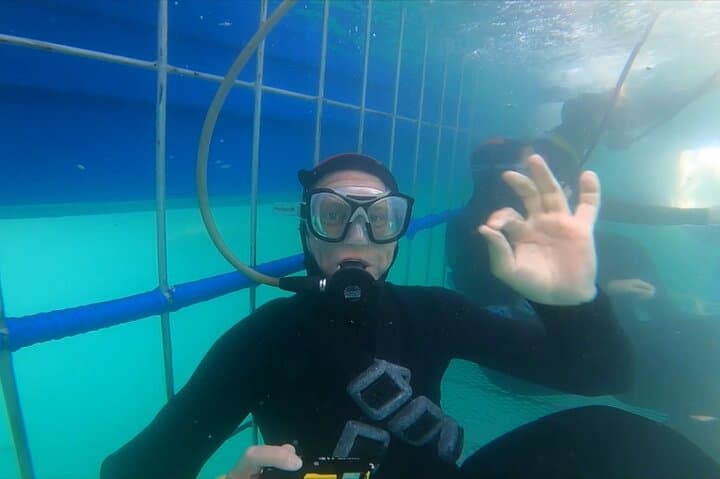
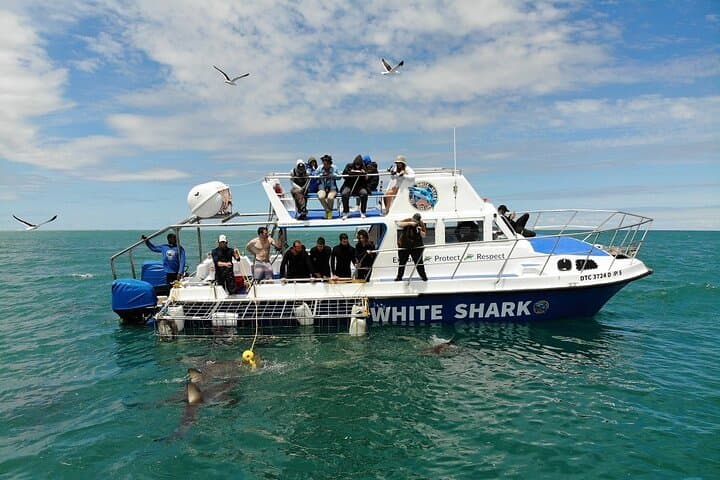
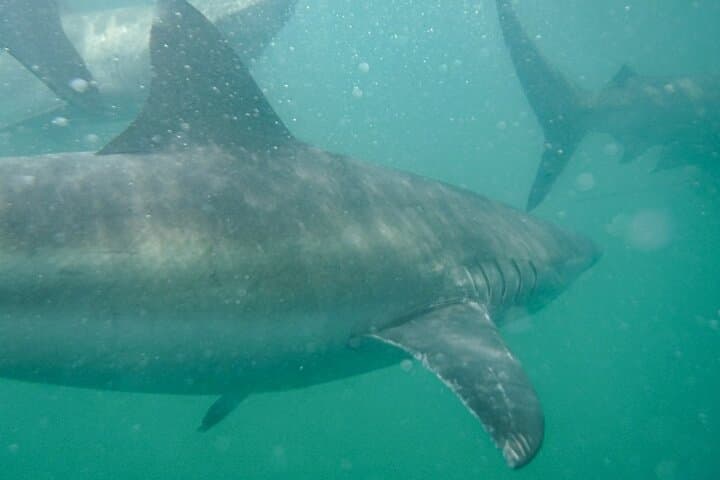
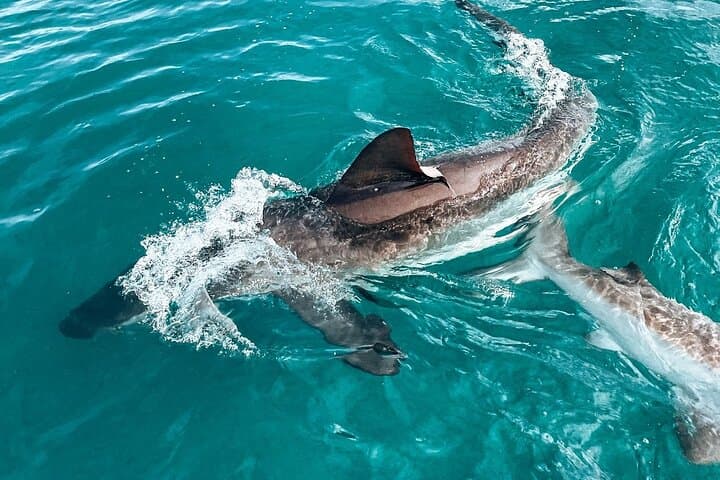
The boat slips out of Gansbaai harbor at first light and the ocean changes tone from pewter to slate as the wake peels away. On deck, the crew checks the continuous hookah air lines while the sun knifes through spits of wind; below, the cage waits like a metal window into another world. You climb down, regulator steady in place, and the sea seems to lean in—curious, patient, alive.
The boat slips out of Gansbaai harbor at first light and the ocean changes tone from pewter to slate as the wake peels away. On deck, the crew checks the continuous hookah air lines while the sun knifes through spits of wind; below, the cage waits like a metal window into another world. You climb down, regulator steady in place, and the sea seems to lean in—curious, patient, alive.
That stretch of coast off Dyer Island sits atop a rugged continental shelf where cold Benguela currents bring nutrients to the surface. The geology, with steep drop-offs and productive upwelling, helped create a marine food chain that supports dense populations of seals—and the apex predators that follow them. Gansbaai’s history moved from fishing and sealing to modern conservation-driven ecotourism, and local operators now work with marine biologists to monitor populations and minimize disturbance.
Expect interrupted views replaced by long, steady encounters: the hookah system gives extended bottom-time without classical scuba training. Weather and shark behavior dictate the day—patience matters. Bring a steady hand, a waterproof housing for photos, and respect for the animals’ space; crew briefings cover safety, signalling, and how to behave in the cage.
Practicalities: tours run about four hours total with 2–2.5 hours at sea, moderate motion is likely, and seasickness precautions are wise. Wear layered, windproof clothing on deck and non-slip shoes for boarding. If sharks don’t appear, operators typically issue no-shark vouchers valid for return visits. For photographers and adrenaline-seekers alike, this is a close, controlled way to observe the ocean’s most iconic predator with conservation-minded guides.