THE ADVENTURE COLLECTIVE® · Independent discovery and booking for outdoor travel

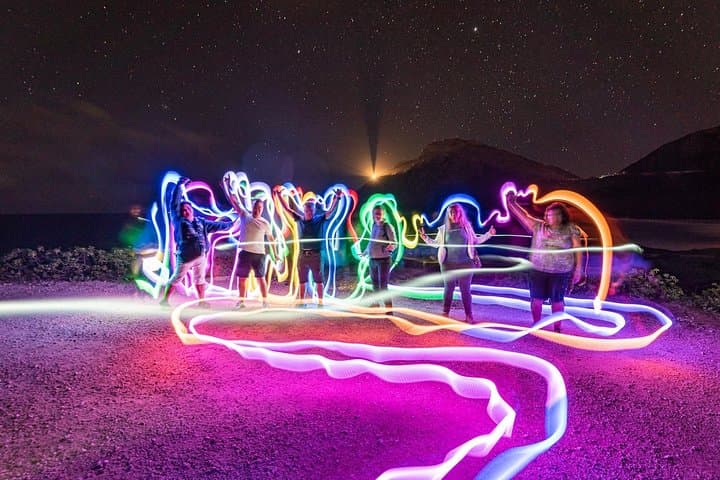
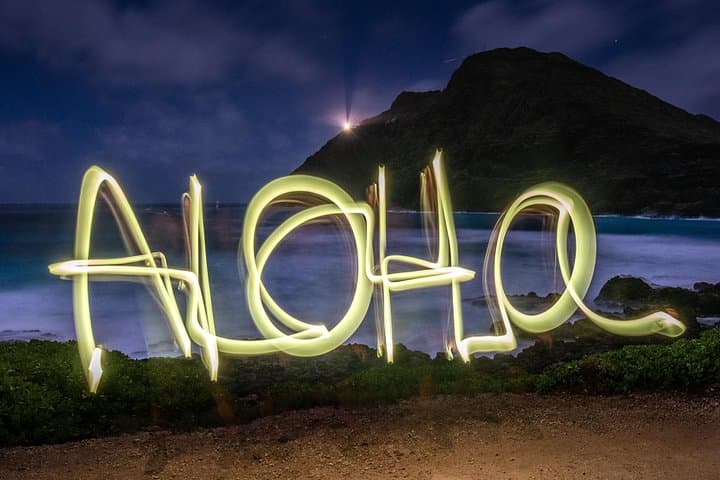
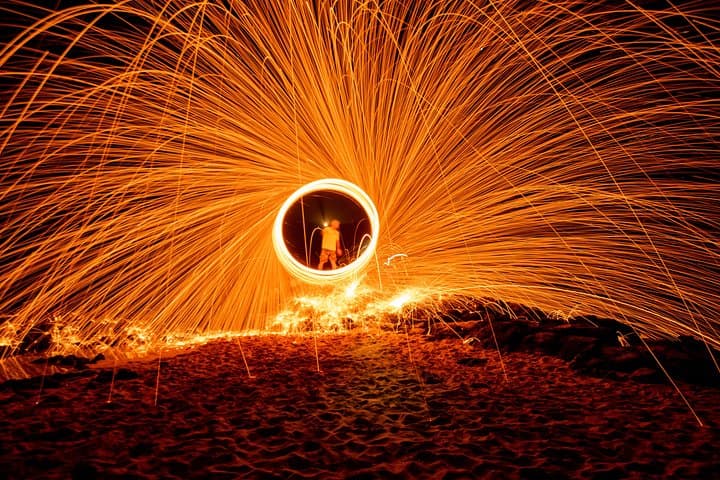
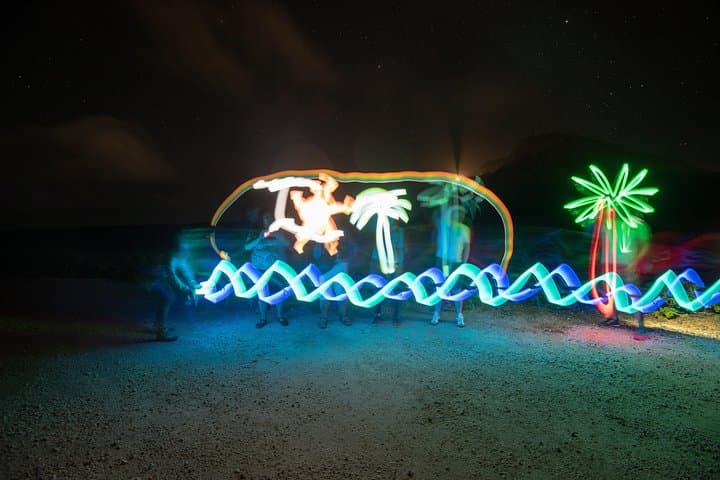
Swap the hotel veranda for a hands-on evening of long exposures and light painting on Oahu’s coastline. Learn basic night-photography techniques, use provided tripods and tools, and capture stars, lighthouse silhouettes and dynamic steel-wool shots.
Swap the hotel veranda for a hands-on evening of long exposures and light painting on Oahu’s coastline. Learn basic night-photography techniques, use provided tripods and tools, and capture stars, lighthouse silhouettes and dynamic steel-wool shots.
You meet at the edge of Waikiki as the city loosens its hold on the horizon: palms silhouette against the last orange peel of sun, surf murmuring beyond the reef. The guide moves with practiced calm—scouting a small headland or a sheltered beach where the light is right and the city lights won’t steal the stars.
Verified experiences and guided adventures in the surrounding area.
Operated by Oahu Photo Tours · Honolulu, Hawaii
You meet at the edge of Waikiki as the city loosens its hold on the horizon: palms silhouette against the last orange peel of sun, surf murmuring beyond the reef. The guide moves with practiced calm—scouting a small headland or a sheltered beach where the light is right and the city lights won’t steal the stars.
Oahu’s southeast shore is a short geology lesson: thin coral reefs at the coast, raised volcanic bedrock and the eroded windward flank of the Koʻolau Range rising inland. The sky here was a navigation map for ancient Polynesian voyagers; tonight you follow a different kind of path, learning exposures and motion while the Pacific and a nearby lighthouse provide steady reference points.
Culturally, the tour treads between Waikiki’s tourist pulse and quieter shoreline traditions—guides often remind guests to avoid sacred rock features and leave no trace. Practically, expect a 3–4 hour evening that moves from sunset lookout to a dark stretch of sand or coastal bluff for long exposures, light painting and steel-wool effects. Tripods and painting tools are provided, but a camera with manual exposure and extra batteries will improve results.
Timing is everything: arrive early for low-angle gold light, and stay late for crisp star trails once urban glow drops. Wear sturdy shoes for uneven shoreline rock, bring water, and keep a red-filtered headlamp handy so you can adjust settings without ruining night shots. The payoff is hands-on instruction, creative experimentation, and images you won’t get from the hotel balcony.
easy.
3–4 hours.
Suitable for most fitness levels; requires short walks over uneven sand or rock and standing for long exposures.
No—this tour welcomes beginners; guides teach camera basics and light-painting techniques, though experienced shooters can experiment with advanced exposures.
Meet at the parking lot entrance across from the Queen Kapiolani Hotel in Waikiki; selected hotel pickups in Waikiki are available—confirm with the operator.
Yes—guides will shoot images with their equipment and typically email a download link after the tour if you don’t have a capable camera.
You can receive a full refund if you cancel at least 24 hours before departure; the tour operator may cancel for bad weather or low participation and issue a refund.
The Hawaiian night sky was a navigational map for Polynesian wayfinders; coastal landmarks like lighthouses later guided modern vessels around Oahu’s reefs.
Light-painting groups are asked to minimize light pollution and avoid disturbing wildlife; pack out all materials and follow shore-protection rules.
Oahu Photo Tours operates guided outdoor trips and adventures with an emphasis on safety, stewardship, and memorable experiences.
You meet at the edge of Waikiki as the city loosens its hold on the horizon: palms silhouette against the last orange peel of sun, surf murmuring beyond the reef. The guide moves with practiced calm—scouting a small headland or a sheltered beach where the light is right and the city lights won’t steal the stars.
You meet at the edge of Waikiki as the city loosens its hold on the horizon: palms silhouette against the last orange peel of sun, surf murmuring beyond the reef. The guide moves with practiced calm—scouting a small headland or a sheltered beach where the light is right and the city lights won’t steal the stars.
Oahu’s southeast shore is a short geology lesson: thin coral reefs at the coast, raised volcanic bedrock and the eroded windward flank of the Koʻolau Range rising inland. The sky here was a navigation map for ancient Polynesian voyagers; tonight you follow a different kind of path, learning exposures and motion while the Pacific and a nearby lighthouse provide steady reference points.
Culturally, the tour treads between Waikiki’s tourist pulse and quieter shoreline traditions—guides often remind guests to avoid sacred rock features and leave no trace. Practically, expect a 3–4 hour evening that moves from sunset lookout to a dark stretch of sand or coastal bluff for long exposures, light painting and steel-wool effects. Tripods and painting tools are provided, but a camera with manual exposure and extra batteries will improve results.
Timing is everything: arrive early for low-angle gold light, and stay late for crisp star trails once urban glow drops. Wear sturdy shoes for uneven shoreline rock, bring water, and keep a red-filtered headlamp handy so you can adjust settings without ruining night shots. The payoff is hands-on instruction, creative experimentation, and images you won’t get from the hotel balcony.