THE ADVENTURE COLLECTIVE® · Independent discovery and booking for outdoor travel

Walk Honolulu’s Chinatown with storytellers who trace the district’s 1930s red-light era across six former brothels and a stop at Honolulu’s oldest bar. This one-hour, accessible urban walk mixes archival photos, local lore, and practical context for visitors.
Walk Honolulu’s Chinatown with storytellers who trace the district’s 1930s red-light era across six former brothels and a stop at Honolulu’s oldest bar. This one-hour, accessible urban walk mixes archival photos, local lore, and practical context for visitors.
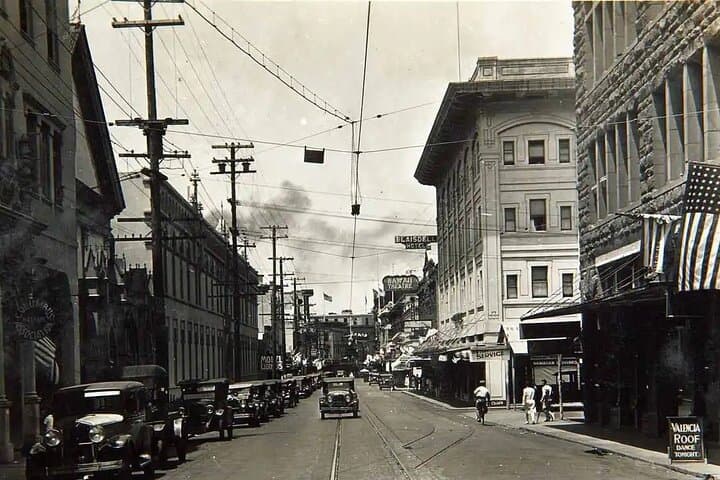
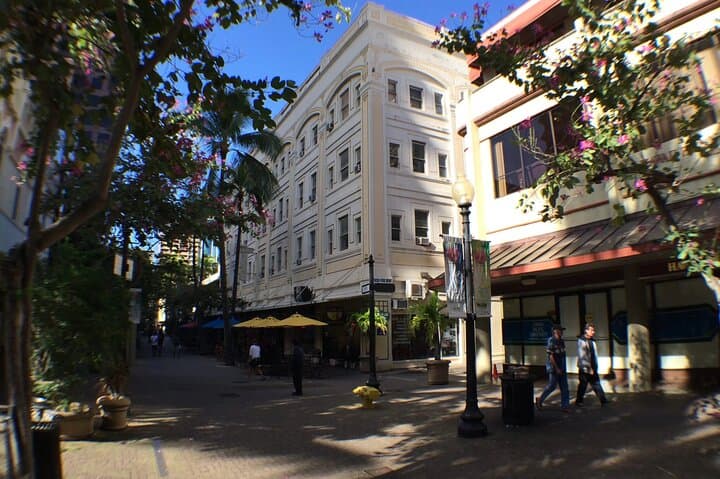
The city exhales a different history after dawn; cracked sidewalks and iron gates keep stories that the tour teases free. Meet beneath the old Blaisdell Hotel sign on Fort Street Mall and the guide leads you into blocks where neon once cast long shadows and the streets themselves seem to remember names.
Verified experiences and guided adventures in the surrounding area.
Operated by Honolulu Red Light Tours · Honolulu, Hawaii
The city exhales a different history after dawn; cracked sidewalks and iron gates keep stories that the tour teases free. Meet beneath the old Blaisdell Hotel sign on Fort Street Mall and the guide leads you into blocks where neon once cast long shadows and the streets themselves seem to remember names.
Chinatown’s red light era peaked in the 1930s through the early 1940s, shaped by immigrant labor, military shore leave and the economic pressures of the Depression. Buildings are raw—concrete facades, narrow shopfronts and freight elevators—evidence of rapid urban growth and layered commerce rather than geological drama. Still, the city’s coastal plain and volcanic origins influence the grid; streets slope subtly toward the harbor as if the land nudges you seaward.
Culturally, the tour threads tanka-bar anecdotes with broader social shifts: policing practices, wartime restrictions after 1941, and the communities—Japanese, Chinese, Filipino—who lived around these blocks. Guides stop at six former brothels and at Smith’s Union Bar for a short toast, adding archival photos and local lore.
Practical details: this is a one-hour, low-impact walking tour on mostly flat, paved surfaces and is advertised as wheelchair accessible for daytime departures. Wear comfortable urban walking shoes, bring water and a light layer for breezy evenings. Photography is welcome but be respectful of private residences and active businesses. If you want a quieter experience, opt for an early tour; the historic elevator runs until mid-afternoon for full accessibility.
easy.
1 hour.
Suitable for most fitness levels; short, flat urban walking with restroom stops available
The tour lasts about 60 minutes and covers roughly a half-mile to one mile of mostly flat, paved streets with several short stops.
Yes—daytime tours are designed to be wheelchair friendly; note that the historic elevator may stop running in the late afternoon, so request an earlier time if you need elevator access.
Alcohol is available during the Smith’s Union Bar stop but you must be 21+ and show ID; participation in the toast is optional.
The tour content covers adult themes and references to prostitution history; while the route is physically accessible, organizers note mature subject matter and recommend discretion for minors.
Chinatown grew as a commercial hub for immigrant workers and sailors; the area’s red-light district expanded in the 1930s and was reshaped by wartime closures and postwar urban policies.
Preservation efforts focus on maintaining historic façades and supporting small businesses; respectful tourism helps reduce wear on aging structures and supports local commerce.
Honolulu Red Light Tours operates guided outdoor trips and adventures with an emphasis on safety, stewardship, and memorable experiences.
The city exhales a different history after dawn; cracked sidewalks and iron gates keep stories that the tour teases free. Meet beneath the old Blaisdell Hotel sign on Fort Street Mall and the guide leads you into blocks where neon once cast long shadows and the streets themselves seem to remember names.
The city exhales a different history after dawn; cracked sidewalks and iron gates keep stories that the tour teases free. Meet beneath the old Blaisdell Hotel sign on Fort Street Mall and the guide leads you into blocks where neon once cast long shadows and the streets themselves seem to remember names.
Chinatown’s red light era peaked in the 1930s through the early 1940s, shaped by immigrant labor, military shore leave and the economic pressures of the Depression. Buildings are raw—concrete facades, narrow shopfronts and freight elevators—evidence of rapid urban growth and layered commerce rather than geological drama. Still, the city’s coastal plain and volcanic origins influence the grid; streets slope subtly toward the harbor as if the land nudges you seaward.
Culturally, the tour threads tanka-bar anecdotes with broader social shifts: policing practices, wartime restrictions after 1941, and the communities—Japanese, Chinese, Filipino—who lived around these blocks. Guides stop at six former brothels and at Smith’s Union Bar for a short toast, adding archival photos and local lore.
Practical details: this is a one-hour, low-impact walking tour on mostly flat, paved surfaces and is advertised as wheelchair accessible for daytime departures. Wear comfortable urban walking shoes, bring water and a light layer for breezy evenings. Photography is welcome but be respectful of private residences and active businesses. If you want a quieter experience, opt for an early tour; the historic elevator runs until mid-afternoon for full accessibility.