THE ADVENTURE COLLECTIVE® · Independent discovery and booking for outdoor travel

Spend three hours with a local guide exploring Honolulu’s decorated civic landmarks and the lantern-lit streets of Chinatown. This private walking tour pairs holiday lights with history, markets, and practical local tips for a festive downtown stroll.
Spend three hours with a local guide exploring Honolulu’s decorated civic landmarks and the lantern-lit streets of Chinatown. This private walking tour pairs holiday lights with history, markets, and practical local tips for a festive downtown stroll.
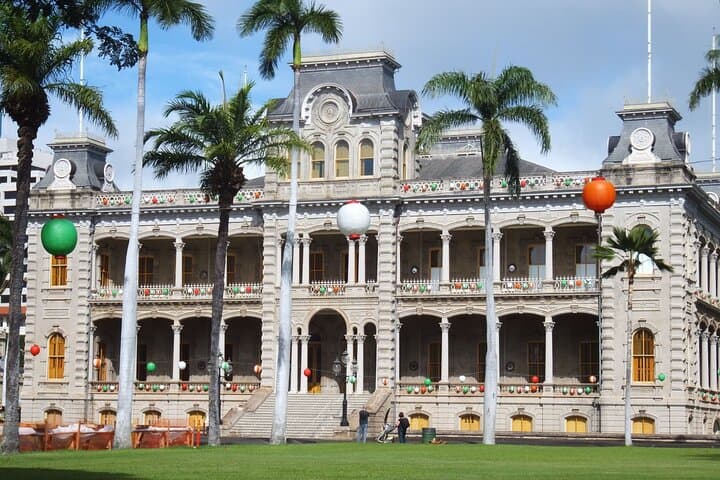
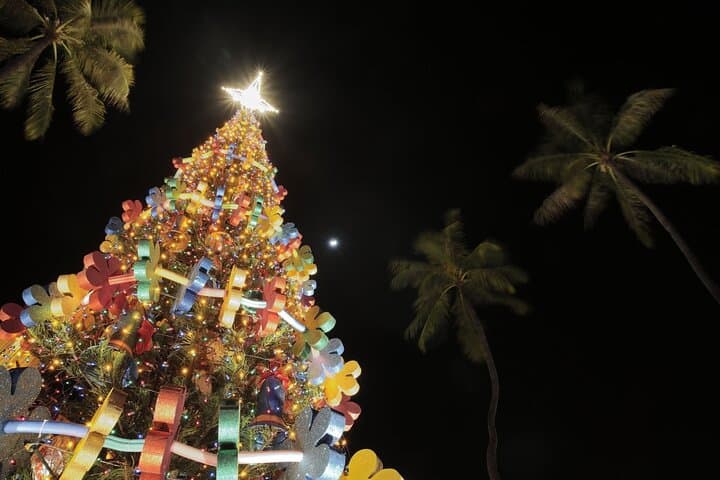
You step out of the humid Honolulu air into a pocket of lights and history. The Neal S. Blaisdell Center hums faintly behind you, a backdrop of holiday posters and the distant cadence of rehearsals, while the trade winds tease the fringe of a paper cup in a gutter. For three hours, a local guide threads your small group through downtown blocks that light up for the season: City Hall trimmed with bulbs, the stately Aliʻiolani Hale wearing dignified wreaths, and Chinatown's alleyways pulsing with lantern-lit cheer and market aromas.
Verified experiences and guided adventures in the surrounding area.
Operated by Opatrip.com USA · Honolulu, Hawaii
You step out of the humid Honolulu air into a pocket of lights and history. The Neal S. Blaisdell Center hums faintly behind you, a backdrop of holiday posters and the distant cadence of rehearsals, while the trade winds tease the fringe of a paper cup in a gutter. For three hours, a local guide threads your small group through downtown blocks that light up for the season: City Hall trimmed with bulbs, the stately Aliʻiolani Hale wearing dignified wreaths, and Chinatown's alleyways pulsing with lantern-lit cheer and market aromas.
This is a walking tour that reads like a local holiday story instead of a staged pageant. Honolulu’s downtown grew around a natural anchorage, and the places you pass reflect layers of Hawaiian governance, missionary influence, plantation-era wealth and immigrant commerce. Aliʻiolani Hale, crowned with the King Kamehameha statue across the street, was once the seat of a kingdom’s judicial power; the State Capitol’s architecture gestures to the sea and volcanoes—open-air legislative chambers framed by reflecting ponds—so you can feel the island’s geology shaping its civic life.
Chinatown is the neighborhood that gives the tour its color. Once a 19th-century hub for plantation laborers and traders, it now hosts markets selling everything from pickled ginger to handmade lei and holiday confections. Maunakea Marketplace is where you’ll find small vendors offering seasonal goods—perfect stops for locally made gifts. ʻAʻala Park offers a brief, shady pause; the lawn often hosts community performances during Honolulu City Lights season.
Practical notes: the tour covers roughly 2–3 miles of mostly flat pavement with frequent stops, so comfortable shoes and sun protection are essential. Expect urban terrain—sidewalks, crosswalks and occasional uneven curbs. The best time to book is late afternoon so you catch daylight for historical context and the evening glow for festive lights. Guides tailor commentary to your group, blending architectural history, civic stories and local holiday customs.
Tips for a smooth outing: bring a refillable water bottle—the trade winds feel cool but the sun is strong—carry small bills for market purchases and tipping, and charge your phone for photos; there are constant photo moments from the Capitol’s rotunda tree to Chinatown alleys. Public transit is nearby and parking in downtown Honolulu can be limited during events, so plan accordingly. Because this is a private tour, itineraries can flex for accessibility needs and interests—ask about vegetarian snack options or extra time in the market when you book.
By tour end you’ll have walked a route where history, governance and immigrant culture meet holiday frills, and you’ll leave with small discoveries—a pastry, a story, a photograph—that feel distinctly local.
easy.
3 hours.
Suitable for most fitness levels; participants should be able to walk 2–3 miles with intermittent standing.
The private tour lasts about three hours and covers approximately 2–3 miles on mostly flat, urban sidewalks with frequent stops.
Yes—tour is rated easy and can accommodate mixed ages; notify the guide of mobility needs so pacing can be adjusted.
It starts in front of the Neal S. Blaisdell Center and concludes in Chinatown, placing you near transit, restaurants and parking options.
No—admissions are not required for the listed stops and food purchases at markets are at your own expense.
Because it’s private, guides can adapt the route and suggest or arrange accessible options; mention requirements when booking.
Bring a charged phone or camera, a small portable charger, and consider booking a late-afternoon slot for golden-hour light and evening decorations.
Downtown Honolulu grew around the 19th-century harbor and became the island’s political and commercial heart; Aliʻiolani Hale and the Capitol reflect shifts from kingdom governance to modern statehood.
Small itineraries like this emphasize low-impact urban tourism—support local vendors and avoid single-use plastics to keep markets and streets vibrant.
Opatrip.com USA operates guided outdoor trips and adventures with an emphasis on safety, stewardship, and memorable experiences.


You step out of the humid Honolulu air into a pocket of lights and history. The Neal S. Blaisdell Center hums faintly behind you, a backdrop of holiday posters and the distant cadence of rehearsals, while the trade winds tease the fringe of a paper cup in a gutter. For three hours, a local guide threads your small group through downtown blocks that light up for the season: City Hall trimmed with bulbs, the stately Aliʻiolani Hale wearing dignified wreaths, and Chinatown's alleyways pulsing with lantern-lit cheer and market aromas.
You step out of the humid Honolulu air into a pocket of lights and history. The Neal S. Blaisdell Center hums faintly behind you, a backdrop of holiday posters and the distant cadence of rehearsals, while the trade winds tease the fringe of a paper cup in a gutter. For three hours, a local guide threads your small group through downtown blocks that light up for the season: City Hall trimmed with bulbs, the stately Aliʻiolani Hale wearing dignified wreaths, and Chinatown's alleyways pulsing with lantern-lit cheer and market aromas.
This is a walking tour that reads like a local holiday story instead of a staged pageant. Honolulu’s downtown grew around a natural anchorage, and the places you pass reflect layers of Hawaiian governance, missionary influence, plantation-era wealth and immigrant commerce. Aliʻiolani Hale, crowned with the King Kamehameha statue across the street, was once the seat of a kingdom’s judicial power; the State Capitol’s architecture gestures to the sea and volcanoes—open-air legislative chambers framed by reflecting ponds—so you can feel the island’s geology shaping its civic life.
Chinatown is the neighborhood that gives the tour its color. Once a 19th-century hub for plantation laborers and traders, it now hosts markets selling everything from pickled ginger to handmade lei and holiday confections. Maunakea Marketplace is where you’ll find small vendors offering seasonal goods—perfect stops for locally made gifts. ʻAʻala Park offers a brief, shady pause; the lawn often hosts community performances during Honolulu City Lights season.
Practical notes: the tour covers roughly 2–3 miles of mostly flat pavement with frequent stops, so comfortable shoes and sun protection are essential. Expect urban terrain—sidewalks, crosswalks and occasional uneven curbs. The best time to book is late afternoon so you catch daylight for historical context and the evening glow for festive lights. Guides tailor commentary to your group, blending architectural history, civic stories and local holiday customs.
Tips for a smooth outing: bring a refillable water bottle—the trade winds feel cool but the sun is strong—carry small bills for market purchases and tipping, and charge your phone for photos; there are constant photo moments from the Capitol’s rotunda tree to Chinatown alleys. Public transit is nearby and parking in downtown Honolulu can be limited during events, so plan accordingly. Because this is a private tour, itineraries can flex for accessibility needs and interests—ask about vegetarian snack options or extra time in the market when you book.
By tour end you’ll have walked a route where history, governance and immigrant culture meet holiday frills, and you’ll leave with small discoveries—a pastry, a story, a photograph—that feel distinctly local.