THE ADVENTURE COLLECTIVE® · Independent discovery and booking for outdoor travel

Skip the lines and uncertainty on arrival at HNL with a private transfer to Waikiki. Expect a quick, comfortable door‑to‑door ride with luggage assistance and child seats on request.
Skip the lines and uncertainty on arrival at HNL with a private transfer to Waikiki. Expect a quick, comfortable door‑to‑door ride with luggage assistance and child seats on request.
You step through the sliding doors into humid Hawaiian air and a driver waits with your name on a sign—the city’s pulse easing as you climb into a clean, air‑conditioned vehicle bound for Waikiki. The ride from Daniel K. Inouye International Airport to the hotel corridor is short but telling: low-rise hotels give way to palm‑lined avenues and, if the skies are clear, a glimpse of Diamond Head’s tuff cone rising to the east.
Verified experiences and guided adventures in the surrounding area.
Operated by taxiGo.online - Booking Transfer & Taxi · Honolulu, Hawaii
You step through the sliding doors into humid Hawaiian air and a driver waits with your name on a sign—the city’s pulse easing as you climb into a clean, air‑conditioned vehicle bound for Waikiki. The ride from Daniel K. Inouye International Airport to the hotel corridor is short but telling: low-rise hotels give way to palm‑lined avenues and, if the skies are clear, a glimpse of Diamond Head’s tuff cone rising to the east.
Honolulu sits on the southeast shore of O‘ahu, a landscape carved by ancient volcanic action from the Koolau and Waianae ranges. The airport itself was renamed for Senator Daniel Inouye and grew around Pearl Harbor’s strategic harbor; driving toward Waikiki, you’ll pass modern commerce zones, mid-century revival architecture, and neighborhoods shaped by plantation-era immigration.
Culturally, a polite “aloha” and light greeting go a long way; local signage and place names preserve ʻŌlelo Hawaiʻi (Hawaiian language) and island traditions. Geologically the route crosses reclaimed land and old reef flats—an island made by fire and steady ocean work.
Practically, anticipate 20–40 minutes depending on traffic, with peak congestion in morning and late afternoon. Private transfers offer door‑to‑door convenience, luggage help, and child seats on request—useful after a long flight. Confirm terminal, flight number, passenger count, and any oversized gear when booking. Bring reef‑safe sunscreen and a lightweight layer for cool, air‑conditioned interiors. A reputable private transfer simplifies the first steps ashore, leaving you ready to walk Waikiki’s beachfront or head straight for a sunset lookout.
easy.
20–40 minutes.
No special fitness required; accessible for most travelers
Typical drive time is 20–40 minutes depending on traffic; the service lists a standard 35‑minute duration to account for typical conditions.
Yes. Private transfers usually include a meet‑and‑greet with a name sign at arrivals; confirm your terminal and flight number when booking.
Yes. Child seats for different ages are available on request—specify age and number of children during booking so the vehicle is equipped.
Provide your flight number and the operator will typically track arrivals; communicate delays through the booking platform or the supplier contact to adjust pickup time.
Honolulu developed around a protected harbor and later expanded with 20th‑century aviation and tourism; place names retain Hawaiian heritage and plantation history.
Choose reef‑safe sunscreens and avoid single‑use plastics when possible; traffic corridors and shorelines benefit from responsible visitor behavior.
taxiGo.online - Booking Transfer & Taxi operates guided outdoor trips and adventures with an emphasis on safety, stewardship, and memorable experiences.
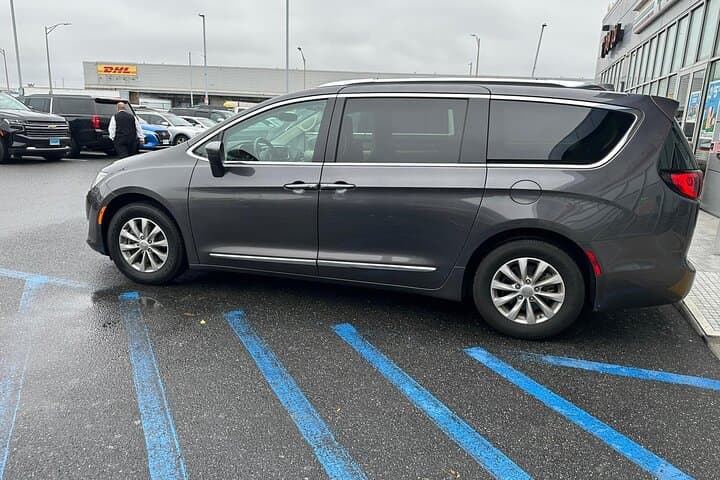
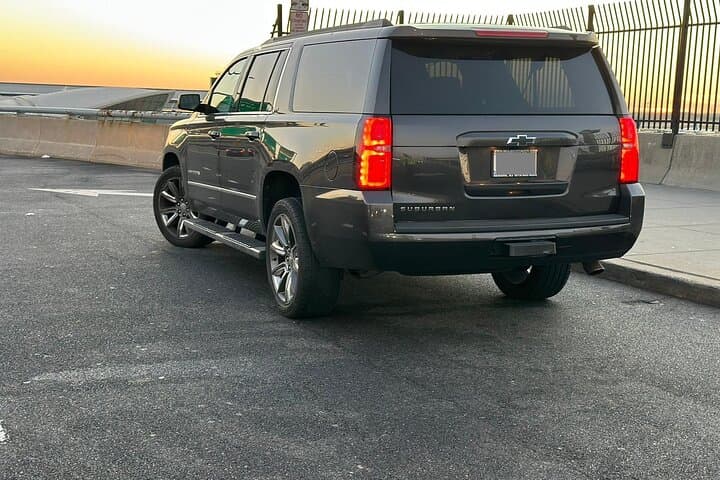
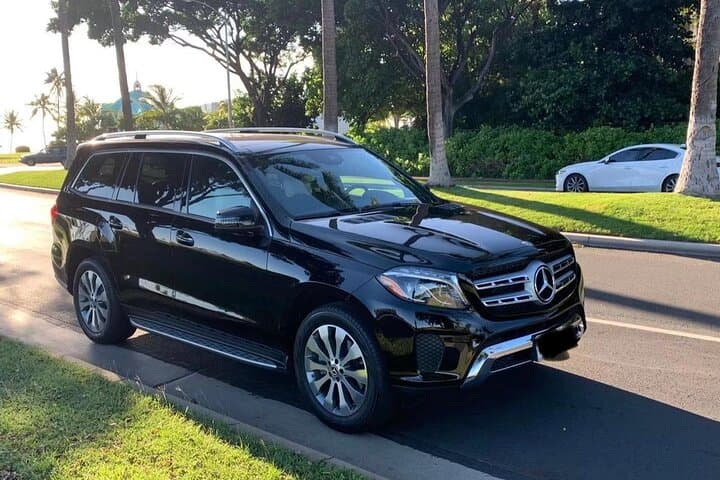
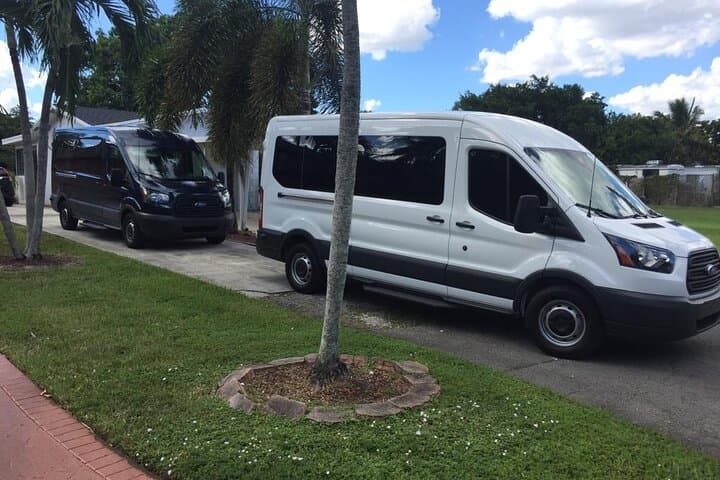
You step through the sliding doors into humid Hawaiian air and a driver waits with your name on a sign—the city’s pulse easing as you climb into a clean, air‑conditioned vehicle bound for Waikiki. The ride from Daniel K. Inouye International Airport to the hotel corridor is short but telling: low-rise hotels give way to palm‑lined avenues and, if the skies are clear, a glimpse of Diamond Head’s tuff cone rising to the east.
You step through the sliding doors into humid Hawaiian air and a driver waits with your name on a sign—the city’s pulse easing as you climb into a clean, air‑conditioned vehicle bound for Waikiki. The ride from Daniel K. Inouye International Airport to the hotel corridor is short but telling: low-rise hotels give way to palm‑lined avenues and, if the skies are clear, a glimpse of Diamond Head’s tuff cone rising to the east.
Honolulu sits on the southeast shore of O‘ahu, a landscape carved by ancient volcanic action from the Koolau and Waianae ranges. The airport itself was renamed for Senator Daniel Inouye and grew around Pearl Harbor’s strategic harbor; driving toward Waikiki, you’ll pass modern commerce zones, mid-century revival architecture, and neighborhoods shaped by plantation-era immigration.
Culturally, a polite “aloha” and light greeting go a long way; local signage and place names preserve ʻŌlelo Hawaiʻi (Hawaiian language) and island traditions. Geologically the route crosses reclaimed land and old reef flats—an island made by fire and steady ocean work.
Practically, anticipate 20–40 minutes depending on traffic, with peak congestion in morning and late afternoon. Private transfers offer door‑to‑door convenience, luggage help, and child seats on request—useful after a long flight. Confirm terminal, flight number, passenger count, and any oversized gear when booking. Bring reef‑safe sunscreen and a lightweight layer for cool, air‑conditioned interiors. A reputable private transfer simplifies the first steps ashore, leaving you ready to walk Waikiki’s beachfront or head straight for a sunset lookout.