THE ADVENTURE COLLECTIVE® · Independent discovery and booking for outdoor travel

Move from harborfront bustle to the quiet focus of a Wing Chun studio on a six-hour tour that traces Bruce Lee’s legacy across Hong Kong. Expect museum artifacts, film-location stops, and a hands-on martial arts lesson with a local master.
Move from harborfront bustle to the quiet focus of a Wing Chun studio on a six-hour tour that traces Bruce Lee’s legacy across Hong Kong. Expect museum artifacts, film-location stops, and a hands-on martial arts lesson with a local master.
The day begins at Tsim Sha Tsui station, where neon and ferry horns frame the harbor and the city’s pace tightens into purposeful motion. You step off the platform into a route mapped by cinema and street-level history: a museum wing devoted to Bruce Lee’s personal items, film locations that still carry the echo of fight choreography, and a hands-on Wing Chun session taught by a local master.
Verified experiences and guided adventures in the surrounding area.
Operated by Hong Kong Hidden Tour · Hong Kong, Hong Kong
The day begins at Tsim Sha Tsui station, where neon and ferry horns frame the harbor and the city’s pace tightens into purposeful motion. You step off the platform into a route mapped by cinema and street-level history: a museum wing devoted to Bruce Lee’s personal items, film locations that still carry the echo of fight choreography, and a hands-on Wing Chun session taught by a local master.
Hong Kong’s modern skyline sits atop older geology—steep granite ridges and reclaimed shoreline that funneled trade and film crews into narrow, cinematic streets. Bruce Lee rose from that urban grit to global stardom, transforming Hong Kong cinema in the 1970s and leaving artifacts now displayed in regional museums. Cultural context matters here: martial arts are both sport and living tradition, and Wing Chun itself is a compact, economy-of-motion style that still trains practitioners in the city’s small gyms.
What to expect practically: the full experience runs about six hours with air-conditioned transfers between stops and a short but active martial-arts workshop. Bring comfortable shoes for city walking, a lightweight layer for museum galleries, and a refillable water bottle—Hong Kong humidity can spike. Expect group sizes that keep instruction personal; the Wing Chun portion emphasizes drills, posture, and partner sensitivity rather than high-impact sparring.
Timing your visit for morning museum hours and an afternoon class keeps crowds manageable. Be mindful of museum rules (no flash photography, respect exhibits) and instructor guidance during training. This is part cultural history tour, part physical intro to a martial tradition—ideal for travelers who want to move through Hong Kong with context and intent.
easy.
6 hours.
Suitable for most travelers with basic mobility; involves moderate walking and light martial-arts drills.
No—classes are introductory and focused on basics of Wing Chun; instructors tailor drills for mixed experience levels.
Children can participate but infants must sit on laps during transport; check age restrictions with the operator for the Wing Chun portion.
Guiding is typically in English and may include Cantonese; confirm language availability at booking if you need another language.
Yes, the tour listing includes entrance to the Bruce Lee exhibition and the Wing Chun class as noted in inclusions.
Bruce Lee played a pivotal role in popularizing Hong Kong cinema globally in the 1970s; the city’s museums preserve artifacts that trace that cultural shift.
Respect for museum collections and local training halls matters—follow photography rules, avoid touching artifacts, and support small local businesses to keep cultural sites viable.
Hong Kong Hidden Tour operates guided outdoor trips and adventures with an emphasis on safety, stewardship, and memorable experiences.
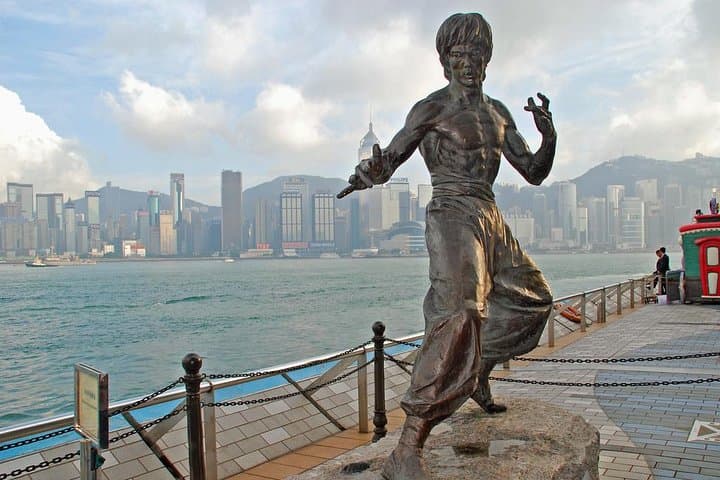
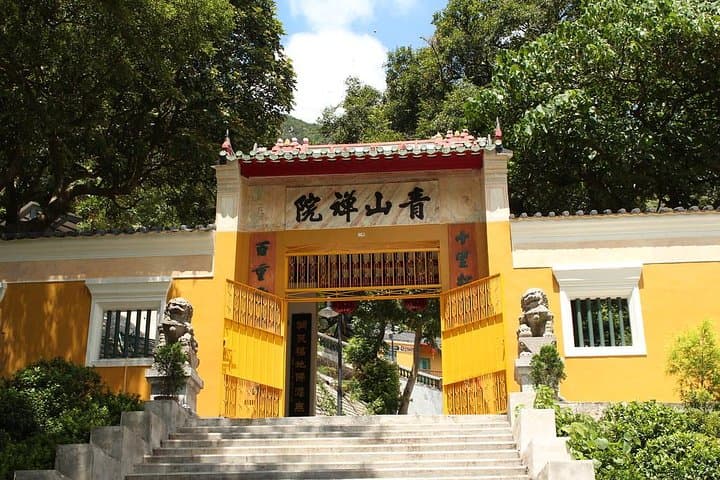
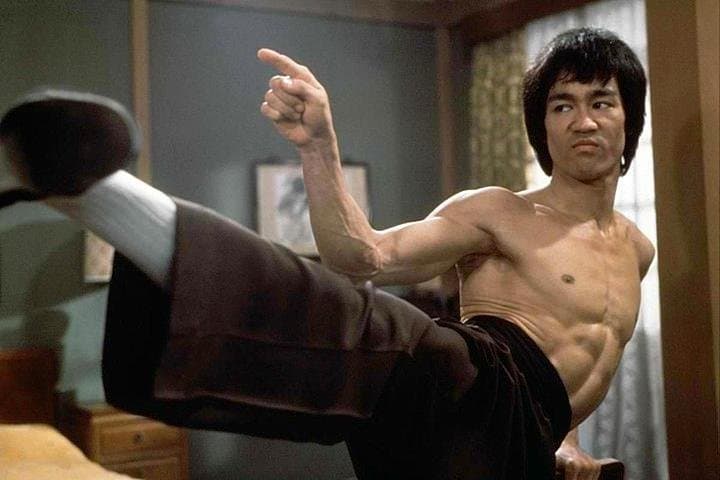
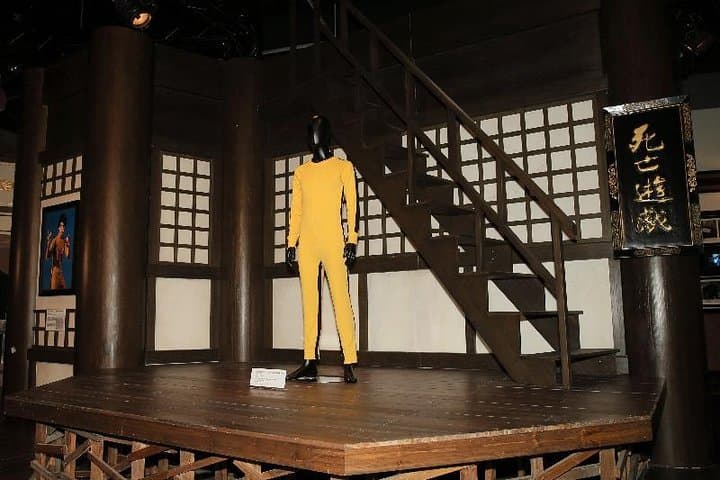
The day begins at Tsim Sha Tsui station, where neon and ferry horns frame the harbor and the city’s pace tightens into purposeful motion. You step off the platform into a route mapped by cinema and street-level history: a museum wing devoted to Bruce Lee’s personal items, film locations that still carry the echo of fight choreography, and a hands-on Wing Chun session taught by a local master.
The day begins at Tsim Sha Tsui station, where neon and ferry horns frame the harbor and the city’s pace tightens into purposeful motion. You step off the platform into a route mapped by cinema and street-level history: a museum wing devoted to Bruce Lee’s personal items, film locations that still carry the echo of fight choreography, and a hands-on Wing Chun session taught by a local master.
Hong Kong’s modern skyline sits atop older geology—steep granite ridges and reclaimed shoreline that funneled trade and film crews into narrow, cinematic streets. Bruce Lee rose from that urban grit to global stardom, transforming Hong Kong cinema in the 1970s and leaving artifacts now displayed in regional museums. Cultural context matters here: martial arts are both sport and living tradition, and Wing Chun itself is a compact, economy-of-motion style that still trains practitioners in the city’s small gyms.
What to expect practically: the full experience runs about six hours with air-conditioned transfers between stops and a short but active martial-arts workshop. Bring comfortable shoes for city walking, a lightweight layer for museum galleries, and a refillable water bottle—Hong Kong humidity can spike. Expect group sizes that keep instruction personal; the Wing Chun portion emphasizes drills, posture, and partner sensitivity rather than high-impact sparring.
Timing your visit for morning museum hours and an afternoon class keeps crowds manageable. Be mindful of museum rules (no flash photography, respect exhibits) and instructor guidance during training. This is part cultural history tour, part physical intro to a martial tradition—ideal for travelers who want to move through Hong Kong with context and intent.