THE ADVENTURE COLLECTIVE® · Independent discovery and booking for outdoor travel

Spend two days camping on Hon Bay Canh in the Con Dao archipelago: snorkel coral, sleep on a quiet beach, and take part in a guided baby turtle release led by island rangers. Practical, hands-on conservation meets simple, seaside camping.
Spend two days camping on Hon Bay Canh in the Con Dao archipelago: snorkel coral, sleep on a quiet beach, and take part in a guided baby turtle release led by island rangers. Practical, hands-on conservation meets simple, seaside camping.
Dawn breaks over Hon Bay Canh with a narrow ribbon of sand that glows as the speedboat slips into the bay. Salt and warm wind press against your face; coral gardens sit just beyond the surf and a retired shipwreck crouches on the seafloor like an old story. You set a tent on firm sand while the sea nudges the shoreline—this is camping with an ocean as a neighbor.
Verified experiences and guided adventures in the surrounding area.
Operated by Mekong Smile Tour · Con Son, Ba Ria–Vung Tau
Dawn breaks over Hon Bay Canh with a narrow ribbon of sand that glows as the speedboat slips into the bay. Salt and warm wind press against your face; coral gardens sit just beyond the surf and a retired shipwreck crouches on the seafloor like an old story. You set a tent on firm sand while the sea nudges the shoreline—this is camping with an ocean as a neighbor.
The Con Dao archipelago has long been a crossroads of maritime routes and, more recently, a focus of marine conservation. The bay’s limestone shelves and volcanic outcrops shape clear snorkeling pockets where hard and soft corals host reef fish. Local rangers and guides share cultural notes about island life and the wartime history of Con Son while explaining why turtle nests here matter to the wider South China Sea.
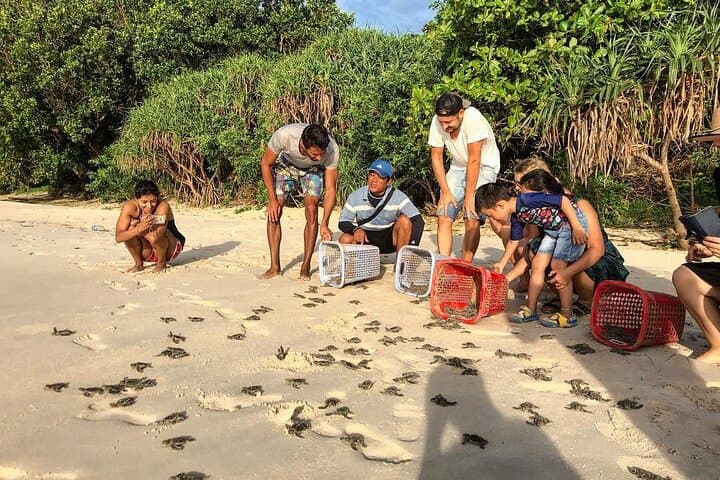
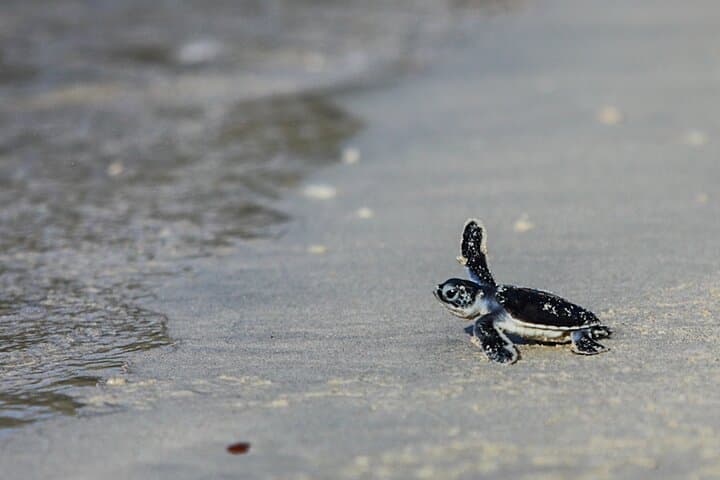
Expect practical, hands-on days: guided snorkeling over coral heads, a demonstration on tent placement to resist sea breezes, and an early-morning turtle-release led by conservation staff. Baby turtles are handled briefly and gently; the experience is quieter than romantic—intense, fragile, hopeful.
Plan for sun, sand, and wind. Bring reef-safe sunscreen, a dry bag, a warm layer for night breezes, and footwear that can get wet. Seas can be calm or choppy; operators cancel in poor conditions. Physically, you should be comfortable climbing in and out of a speedboat and walking short sandy slopes.
This trip pairs low-impact camping with direct conservation action—an overnight that teaches how the ocean pushes back and, with care, lets life move forward.
moderate.
2 days.
Moderate fitness: able to board a small speedboat, hike short sandy slopes, and perform basic campsite tasks.
Groups are typically small (up to 10 people) to limit impact and allow close guidance from rangers and guides.
Releases depend on hatchling availability and weather; guides coordinate with conservation staff and will reschedule or cancel if conditions are unsafe.
No advanced skill required—basic swimming ability is sufficient; guides provide snorkel gear and point out shallow coral gardens.
Operators usually advise taking motion‑sickness medication before departure; sit mid‑boat, focus on the horizon, and notify the guide if symptoms worsen.
Con Dao has layered history as a maritime transit point and a penal site; island communities today combine fisheries with growing conservation programs.
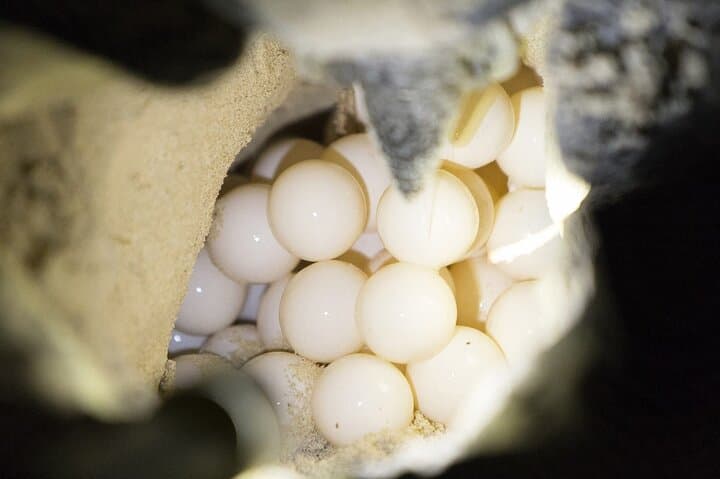
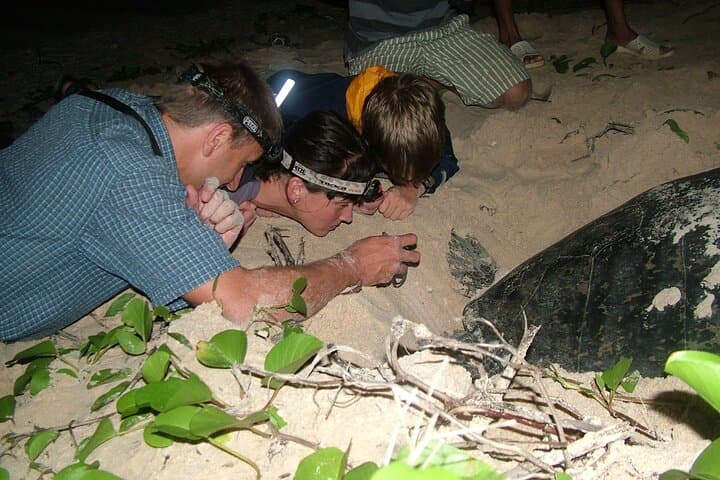
Tours partner with local rangers to minimize disturbance to nesting beaches and support hatchling survival; visitors should follow strict handling and lighting rules.
Mekong Smile Tour operates guided outdoor trips and adventures with an emphasis on safety, stewardship, and memorable experiences.
Dawn breaks over Hon Bay Canh with a narrow ribbon of sand that glows as the speedboat slips into the bay. Salt and warm wind press against your face; coral gardens sit just beyond the surf and a retired shipwreck crouches on the seafloor like an old story. You set a tent on firm sand while the sea nudges the shoreline—this is camping with an ocean as a neighbor.
Dawn breaks over Hon Bay Canh with a narrow ribbon of sand that glows as the speedboat slips into the bay. Salt and warm wind press against your face; coral gardens sit just beyond the surf and a retired shipwreck crouches on the seafloor like an old story. You set a tent on firm sand while the sea nudges the shoreline—this is camping with an ocean as a neighbor.
The Con Dao archipelago has long been a crossroads of maritime routes and, more recently, a focus of marine conservation. The bay’s limestone shelves and volcanic outcrops shape clear snorkeling pockets where hard and soft corals host reef fish. Local rangers and guides share cultural notes about island life and the wartime history of Con Son while explaining why turtle nests here matter to the wider South China Sea.
Expect practical, hands-on days: guided snorkeling over coral heads, a demonstration on tent placement to resist sea breezes, and an early-morning turtle-release led by conservation staff. Baby turtles are handled briefly and gently; the experience is quieter than romantic—intense, fragile, hopeful.
Plan for sun, sand, and wind. Bring reef-safe sunscreen, a dry bag, a warm layer for night breezes, and footwear that can get wet. Seas can be calm or choppy; operators cancel in poor conditions. Physically, you should be comfortable climbing in and out of a speedboat and walking short sandy slopes.
This trip pairs low-impact camping with direct conservation action—an overnight that teaches how the ocean pushes back and, with care, lets life move forward.