THE ADVENTURE COLLECTIVE® · Independent discovery and booking for outdoor travel

A 90-minute airboat run through Homosassa River and out to Gulf reefs that puts you close to manatees, dolphins, and mangrove channels unreachable by conventional boats. Small groups and local guides focus on wildlife and low-impact access.
A 90-minute airboat run through Homosassa River and out to Gulf reefs that puts you close to manatees, dolphins, and mangrove channels unreachable by conventional boats. Small groups and local guides focus on wildlife and low-impact access.
You step onto a low-slung airboat and the river answers with a metallic shout; the engine vibrates like a living thing and the mangroves lean in as if to watch. Water gleams between trunks, gulls wheel overhead, and the captain guides the hull through shallow channels where conventional boats can’t follow. The ride opens into the Homosassa River and then fans toward the reefs of the Gulf, where estuary and sea meet and wildlife asserts itself without a script.
Verified experiences and guided adventures in the surrounding area.
Operated by PT Airboat Adventures · Homosassa, Florida
You step onto a low-slung airboat and the river answers with a metallic shout; the engine vibrates like a living thing and the mangroves lean in as if to watch. Water gleams between trunks, gulls wheel overhead, and the captain guides the hull through shallow channels where conventional boats can’t follow. The ride opens into the Homosassa River and then fans toward the reefs of the Gulf, where estuary and sea meet and wildlife asserts itself without a script.
This stretch of Florida coast sits atop the Floridan Aquifer—springs feed tannin-dark rivers and keep water warmer in winter, drawing manatees into predictable wintering spots. The region developed as a working fishing and sponge-harvesting landscape in the 19th and 20th centuries, and the small towns still carry that maritime imprint: boat ramps, fish houses, and a patient local knowledge of tides and seasons.
Geology here is simple but decisive: porous limestone beneath creates springs that push fresh water through mangrove-lined channels into the Gulf, forming nurseries for fish and hunting grounds for dolphins and birds. Culture is quiet and nautical; guides often grew up on these waters and point out oyster bars, submerged springs, and old fishing points.
Practical notes: tours are 90 minutes, operate in small groups, and include hearing protection and stadium seating for better views. Expect engine noise, occasional spray, and variable wildlife sightings—manatees, dolphins, herons—so bring sunscreen, a wind layer, binoculars, and a camera with a fast shutter. Morning runs often produce calmer water and more wildlife activity; obey speed zones near manatee areas and follow the guide’s instructions to minimize disturbance.
easy.
1.5 hours.
Minimal exertion required; suitable for most fitness levels though you should be steady on your feet boarding and disembarking.
Yes—infants may ride but must sit on an adult’s lap; the operator notes stroller access for small children, though boarding requires care.
Wildlife sightings are likely but not guaranteed; guides know seasonal hotspots and morning tours increase your chances.
Duplicate field removed
Airboats can be bumpy; take motion-sickness meds beforehand if you’re prone, and sit toward the center where motion is minimized.
Homosassa grew as a fishing and maritime community; its warm springs and productive estuaries historically supported subsistence fishing and later recreational wildlife viewing.
The area is managed with manatee protection zones and boat speed regulations—operators emphasize low-impact viewing to protect seagrass beds and spring habitats.
PT Airboat Adventures operates guided outdoor trips and adventures with an emphasis on safety, stewardship, and memorable experiences.
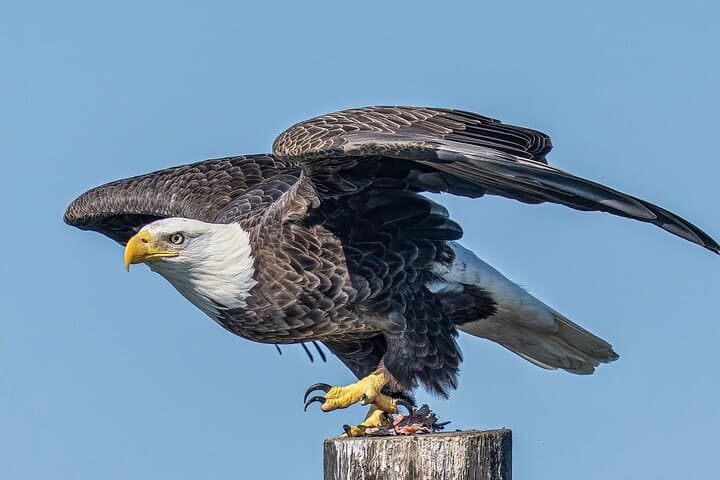
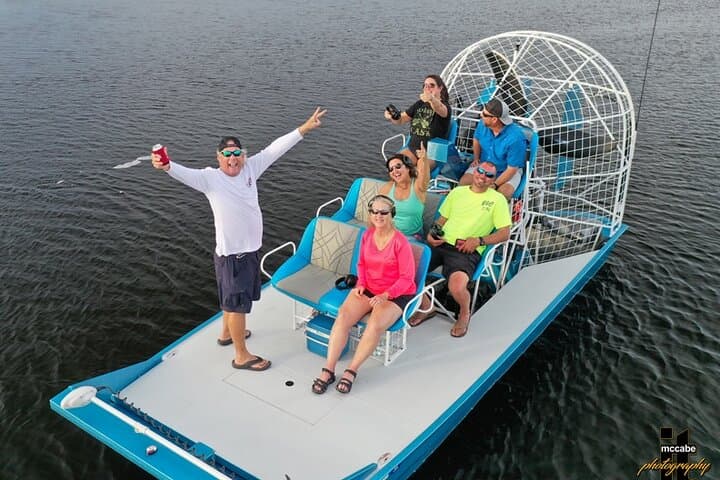
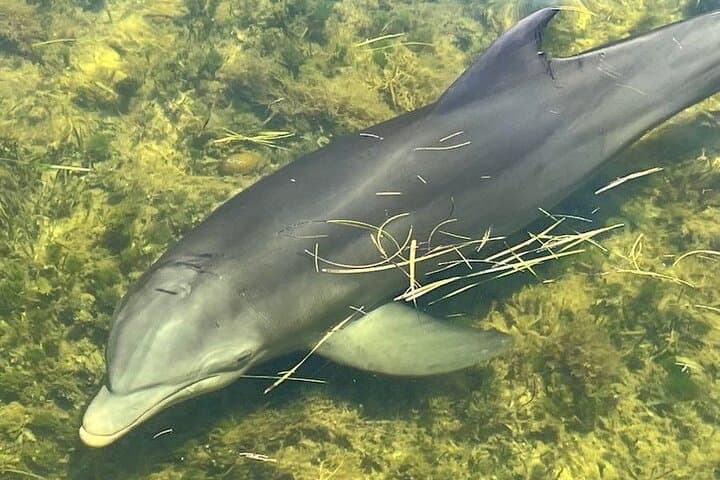
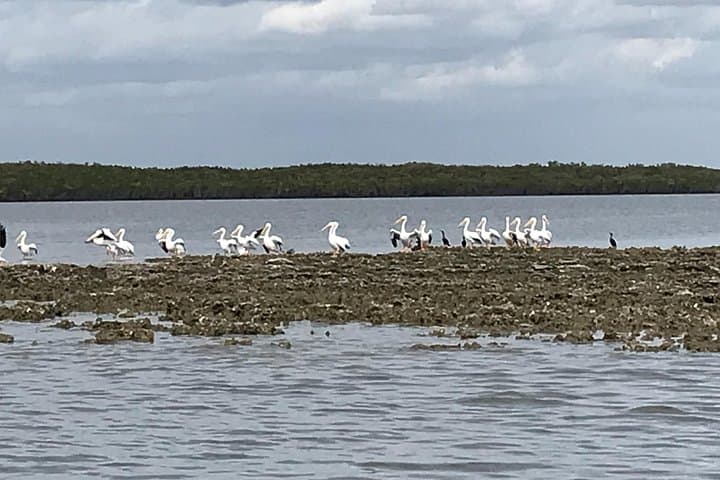
You step onto a low-slung airboat and the river answers with a metallic shout; the engine vibrates like a living thing and the mangroves lean in as if to watch. Water gleams between trunks, gulls wheel overhead, and the captain guides the hull through shallow channels where conventional boats can’t follow. The ride opens into the Homosassa River and then fans toward the reefs of the Gulf, where estuary and sea meet and wildlife asserts itself without a script.
You step onto a low-slung airboat and the river answers with a metallic shout; the engine vibrates like a living thing and the mangroves lean in as if to watch. Water gleams between trunks, gulls wheel overhead, and the captain guides the hull through shallow channels where conventional boats can’t follow. The ride opens into the Homosassa River and then fans toward the reefs of the Gulf, where estuary and sea meet and wildlife asserts itself without a script.
This stretch of Florida coast sits atop the Floridan Aquifer—springs feed tannin-dark rivers and keep water warmer in winter, drawing manatees into predictable wintering spots. The region developed as a working fishing and sponge-harvesting landscape in the 19th and 20th centuries, and the small towns still carry that maritime imprint: boat ramps, fish houses, and a patient local knowledge of tides and seasons.
Geology here is simple but decisive: porous limestone beneath creates springs that push fresh water through mangrove-lined channels into the Gulf, forming nurseries for fish and hunting grounds for dolphins and birds. Culture is quiet and nautical; guides often grew up on these waters and point out oyster bars, submerged springs, and old fishing points.
Practical notes: tours are 90 minutes, operate in small groups, and include hearing protection and stadium seating for better views. Expect engine noise, occasional spray, and variable wildlife sightings—manatees, dolphins, herons—so bring sunscreen, a wind layer, binoculars, and a camera with a fast shutter. Morning runs often produce calmer water and more wildlife activity; obey speed zones near manatee areas and follow the guide’s instructions to minimize disturbance.