THE ADVENTURE COLLECTIVE® · Independent discovery and booking for outdoor travel

Learn the essentials of dumpling-making in a three-hour, chef-led cooking class in Lower Manhattan. Master wrapping, filling, and two cooking methods, then share the meal you’ve made.
Learn the essentials of dumpling-making in a three-hour, chef-led cooking class in Lower Manhattan. Master wrapping, filling, and two cooking methods, then share the meal you’ve made.
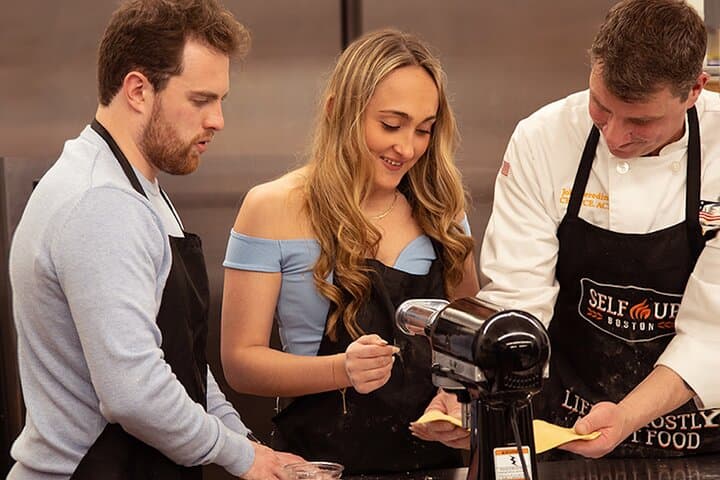
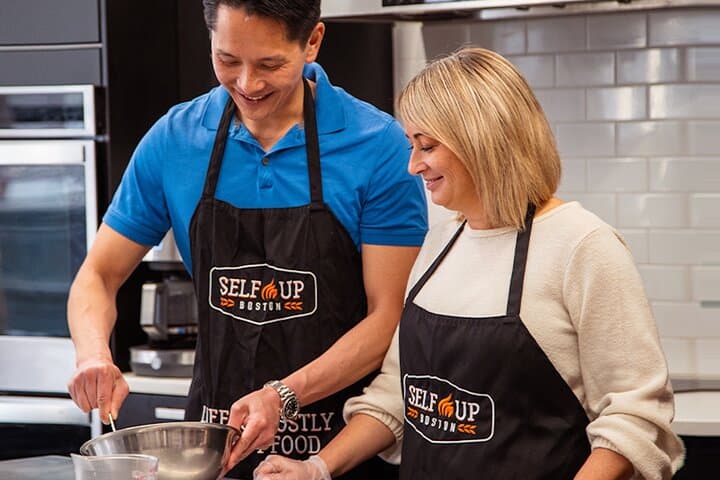
You step through a glass door on 16 Beaver Street and the clatter of the kitchen becomes the first instrument in the lesson: rolling pins tapping, steam rising, laughter. The room smells faintly of sesame oil and scallions, and a wooden table is laid out like a small food workshop where dough meets technique.
Verified experiences and guided adventures in the surrounding area.
Operated by Selfup · New York, NY
You step through a glass door on 16 Beaver Street and the clatter of the kitchen becomes the first instrument in the lesson: rolling pins tapping, steam rising, laughter. The room smells faintly of sesame oil and scallions, and a wooden table is laid out like a small food workshop where dough meets technique.
Dumplings have migrated across Asia for centuries — from northern jiaozi to Cantonese dim sum — and in New York they arrived with waves of immigrants who reshaped recipes to suit local ingredients. The class pairs that living culinary history with the city’s own geology: Manhattan’s hard schist under your feet was once seabed, and today its compact grid holds restaurants from colonial-era taverns to modern kitchens.
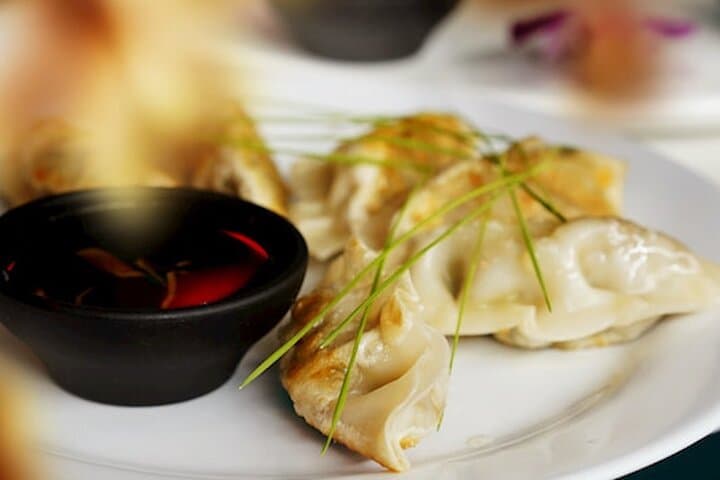
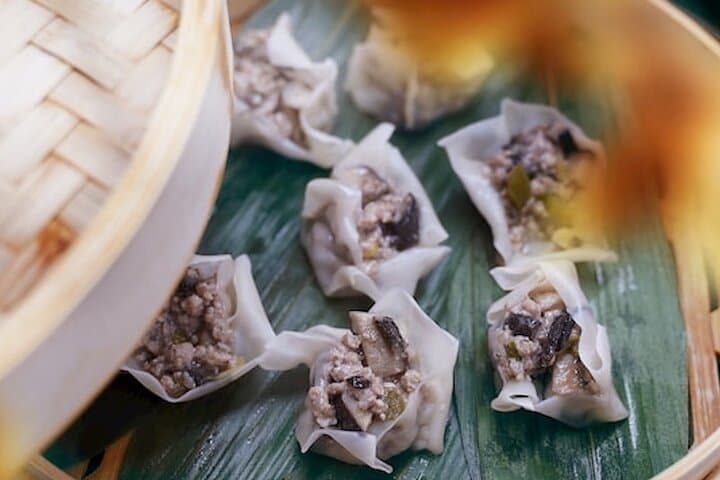
Chef-led instruction covers wrappers, fillings, folding, and two cooking methods: steaming for a tender finish and pan-frying for a crisp edge. Expect demonstrations on pork, chicken, shrimp, and vegetarian fillings, with hands-on practice making potstickers and jiaozi. Cultural notes on dumplings’ role in festivals and family meals thread through the session.
Practically, plan on three hours; wear closed-toe shoes and clothes you don’t mind flouring. The kitchen is wheelchair accessible and casual — bring appetite and any dietary needs in advance. The class ends with a communal sit-down to taste what you made, and leftover tips for reheating and storage.
This is a social, skill-driven experience: ideal for food lovers who want to learn technique, understand cultural context, and leave with recipes to recreate the ritual at home.
easy.
3 hours.
No special fitness required; participants should be comfortable standing for periods and doing light food-prep tasks.
No — the class is designed for beginners and includes step-by-step instruction on folding, filling, and cooking techniques.
Yes — inform the host at booking; the instructor can often suggest vegetarian or shellfish-free options, but confirm in advance.
Yes — the listing notes wheelchair accessibility and staff can assist with entry through the buzzer at 16 Beaver Street.
Yes — participants typically receive guidance and recipe tips during the class; consider taking photos or notes for exact measurements.
Dumplings trace back thousands of years in China and evolved regionally; in New York they became part of the immigrant food fabric, adapted by neighborhood cooks and restaurants.
The class often emphasizes minimizing food waste and many small NYC kitchens source seasonal produce — bring a container to reduce single-use packaging.
Selfup operates guided outdoor trips and adventures with an emphasis on safety, stewardship, and memorable experiences.
You step through a glass door on 16 Beaver Street and the clatter of the kitchen becomes the first instrument in the lesson: rolling pins tapping, steam rising, laughter. The room smells faintly of sesame oil and scallions, and a wooden table is laid out like a small food workshop where dough meets technique.
You step through a glass door on 16 Beaver Street and the clatter of the kitchen becomes the first instrument in the lesson: rolling pins tapping, steam rising, laughter. The room smells faintly of sesame oil and scallions, and a wooden table is laid out like a small food workshop where dough meets technique.
Dumplings have migrated across Asia for centuries — from northern jiaozi to Cantonese dim sum — and in New York they arrived with waves of immigrants who reshaped recipes to suit local ingredients. The class pairs that living culinary history with the city’s own geology: Manhattan’s hard schist under your feet was once seabed, and today its compact grid holds restaurants from colonial-era taverns to modern kitchens.
Chef-led instruction covers wrappers, fillings, folding, and two cooking methods: steaming for a tender finish and pan-frying for a crisp edge. Expect demonstrations on pork, chicken, shrimp, and vegetarian fillings, with hands-on practice making potstickers and jiaozi. Cultural notes on dumplings’ role in festivals and family meals thread through the session.
Practically, plan on three hours; wear closed-toe shoes and clothes you don’t mind flouring. The kitchen is wheelchair accessible and casual — bring appetite and any dietary needs in advance. The class ends with a communal sit-down to taste what you made, and leftover tips for reheating and storage.
This is a social, skill-driven experience: ideal for food lovers who want to learn technique, understand cultural context, and leave with recipes to recreate the ritual at home.