THE ADVENTURE COLLECTIVE® · Independent discovery and booking for outdoor travel

Share a home-cooked meal with a Costa Rican family near La Fortuna: pick herbs in their organic garden, learn traditional marinades and rice techniques, then eat together in a relaxed family setting. Ideal for curious travelers who want local food and cultural exchange.
Share a home-cooked meal with a Costa Rican family near La Fortuna: pick herbs in their organic garden, learn traditional marinades and rice techniques, then eat together in a relaxed family setting. Ideal for curious travelers who want local food and cultural exchange.
You arrive down a shaded lane off La Fortuna's hum of traffic and the air shifts—green, humid, threaded with citrus and wet earth. A small Costa Rican family greets you at their kitchen door with coffee steaming in a clay pot and a dog circling your ankles. The kitchen is alive: knives tapping, an herb bed rustling, and the family inviting you into a rhythm that has fed this region long before Arenal’s cone reshaped the skyline.
Verified experiences and guided adventures in the surrounding area.
Operated by Lidiana Rojas · La Fortuna, Alajuela
You arrive down a shaded lane off La Fortuna's hum of traffic and the air shifts—green, humid, threaded with citrus and wet earth. A small Costa Rican family greets you at their kitchen door with coffee steaming in a clay pot and a dog circling your ankles. The kitchen is alive: knives tapping, an herb bed rustling, and the family inviting you into a rhythm that has fed this region long before Arenal’s cone reshaped the skyline.
This experience sits at the intersection of smallholder agriculture and northern Costa Rican rural culture. The family’s organic garden echoes the volcanic soils of Arenal—fertile, quick to drain, generous with citrus, peppers, and plantain. The dishes you prepare reflect mixed influences: indigenous crop use, Spanish-introduced techniques, and farm-to-table practicality developed by peasant households across the 20th century.
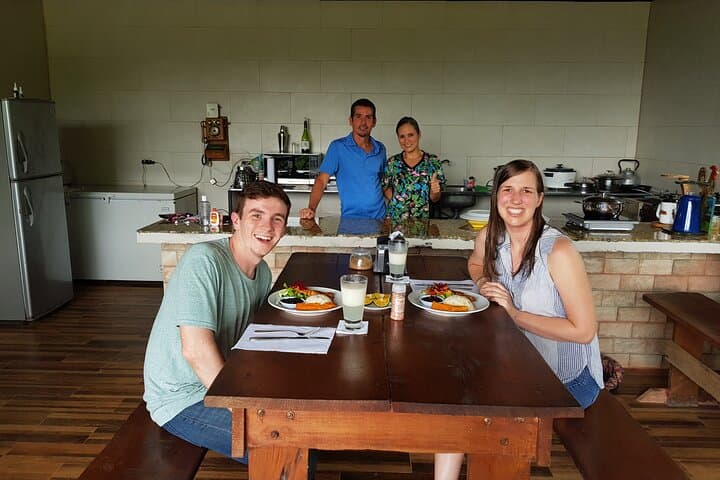
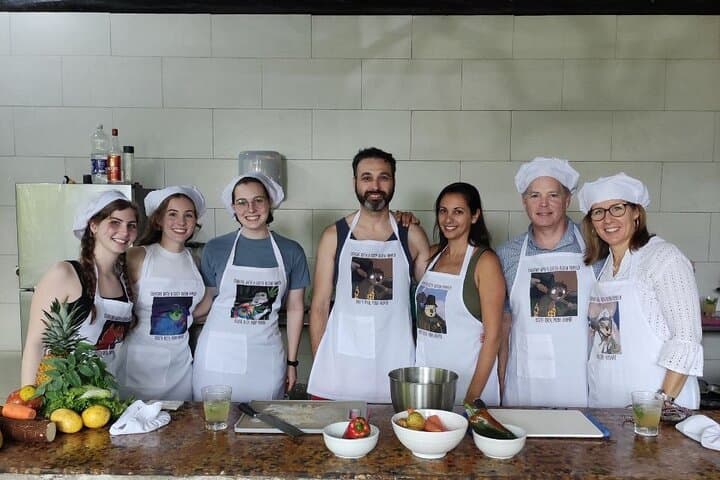
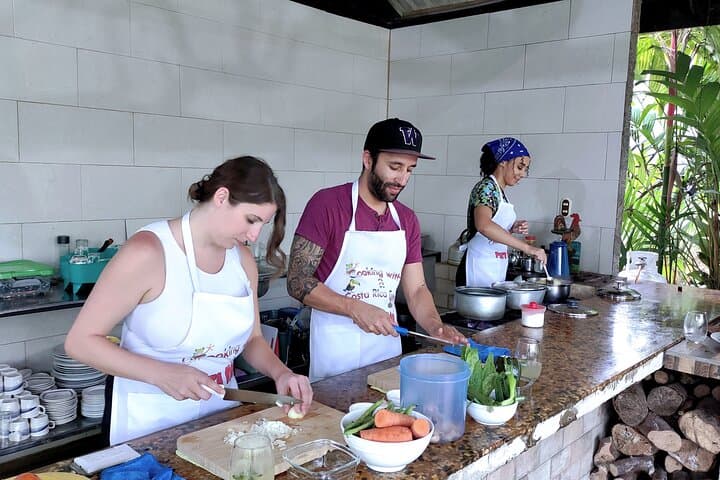
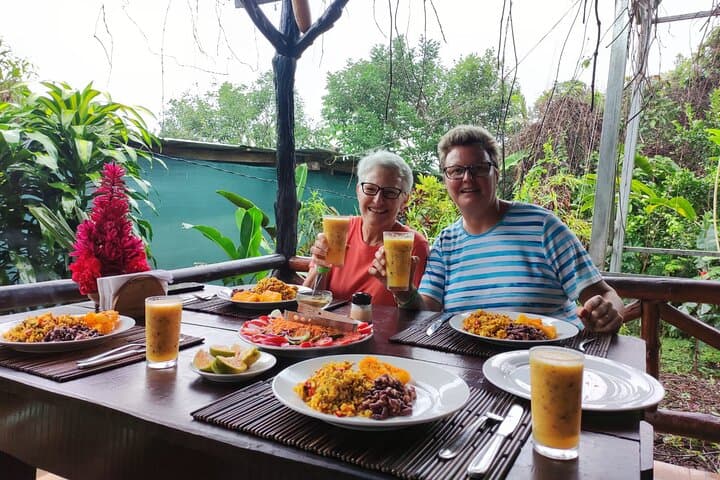
Expect a hands-on afternoon: a garden tour, ingredient picking, a demonstration of marinades and rice techniques, then collaborative cooking and a shared lunch. Birds and the occasional sloth may watch from the canopy; the garden seems to dare you to slow down and notice.
Practical guidance: wear closed-toe shoes for the garden, bring insect repellent and a reusable bottle, and tell your hosts about dietary restrictions in advance. The session runs about 2.5 hours and is wheelchair accessible in parts, but garden paths are uneven. Arrive with time to linger—conversation and local stories are as central to the meal as the food itself.
easy.
2–3 hours.
Light activity; suitable for most people who can stand and move at a relaxed pace for short periods
Yes—most families can adapt dishes if informed in advance; include dietary needs when you book so they can plan substitutions.
Yes—families welcome children; portions of the site are stroller-accessible but garden paths may be uneven.
Most guests take a short taxi or local bus to the neighborhood; the host will provide directions and pickup details after booking.
This is hands-on: guests participate in ingredient picking and cooking, then eat together as a family—expect a mix of instruction and collaborative preparation.
Smallholder farming around La Fortuna grew after the Arenal region opened for settlement in the mid-20th century; local recipes blend indigenous crop use with Spanish influences.
The hosts use an organic garden and source locally; support small family operations by minimizing single-use plastics and following leave-no-trace practices in their garden.
Lidiana Rojas operates guided outdoor trips and adventures with an emphasis on safety, stewardship, and memorable experiences.
You arrive down a shaded lane off La Fortuna's hum of traffic and the air shifts—green, humid, threaded with citrus and wet earth. A small Costa Rican family greets you at their kitchen door with coffee steaming in a clay pot and a dog circling your ankles. The kitchen is alive: knives tapping, an herb bed rustling, and the family inviting you into a rhythm that has fed this region long before Arenal’s cone reshaped the skyline.
You arrive down a shaded lane off La Fortuna's hum of traffic and the air shifts—green, humid, threaded with citrus and wet earth. A small Costa Rican family greets you at their kitchen door with coffee steaming in a clay pot and a dog circling your ankles. The kitchen is alive: knives tapping, an herb bed rustling, and the family inviting you into a rhythm that has fed this region long before Arenal’s cone reshaped the skyline.
This experience sits at the intersection of smallholder agriculture and northern Costa Rican rural culture. The family’s organic garden echoes the volcanic soils of Arenal—fertile, quick to drain, generous with citrus, peppers, and plantain. The dishes you prepare reflect mixed influences: indigenous crop use, Spanish-introduced techniques, and farm-to-table practicality developed by peasant households across the 20th century.
Expect a hands-on afternoon: a garden tour, ingredient picking, a demonstration of marinades and rice techniques, then collaborative cooking and a shared lunch. Birds and the occasional sloth may watch from the canopy; the garden seems to dare you to slow down and notice.
Practical guidance: wear closed-toe shoes for the garden, bring insect repellent and a reusable bottle, and tell your hosts about dietary restrictions in advance. The session runs about 2.5 hours and is wheelchair accessible in parts, but garden paths are uneven. Arrive with time to linger—conversation and local stories are as central to the meal as the food itself.