THE ADVENTURE COLLECTIVE® · Independent discovery and booking for outdoor travel

Share a home-cooked Sri Lankan meal with Bandu in his Colombo apartment — a two-hour, private experience that mixes cooking techniques, local stories and traditional dishes like curries, gotu kola salad and wattalappam.
Share a home-cooked Sri Lankan meal with Bandu in his Colombo apartment — a two-hour, private experience that mixes cooking techniques, local stories and traditional dishes like curries, gotu kola salad and wattalappam.
The elevator opens onto a high-rise corridor and the scent of coconut oil and curry spices drifts out like an invitation. Inside Bandu’s apartment, a compact dining table becomes the stage for a two-hour lesson in unpretentious, home-style Sri Lankan cooking — bright curry powders, the soft hiss of tempering mustard seeds, and the crisp, citrus bite of gotu kola salad.
Verified experiences and guided adventures in the surrounding area.
Operated by Traveling Spoon · Colombo, Western Province
The elevator opens onto a high-rise corridor and the scent of coconut oil and curry spices drifts out like an invitation. Inside Bandu’s apartment, a compact dining table becomes the stage for a two-hour lesson in unpretentious, home-style Sri Lankan cooking — bright curry powders, the soft hiss of tempering mustard seeds, and the crisp, citrus bite of gotu kola salad.
Sri Lankan food is shaped by island geology and history: wet-zone rice paddies and coastal fisheries meet centuries of Portuguese, Dutch and South Indian trade, producing layered curries, sambols and coconut-forward desserts such as wattalappam. Bandu, who learned to cook from his mother and refined recipes during decades abroad, shares not only techniques but cultural context — when to use coconut milk for richness, why certain greens are eaten for health, and how family meals mark holidays and life events.
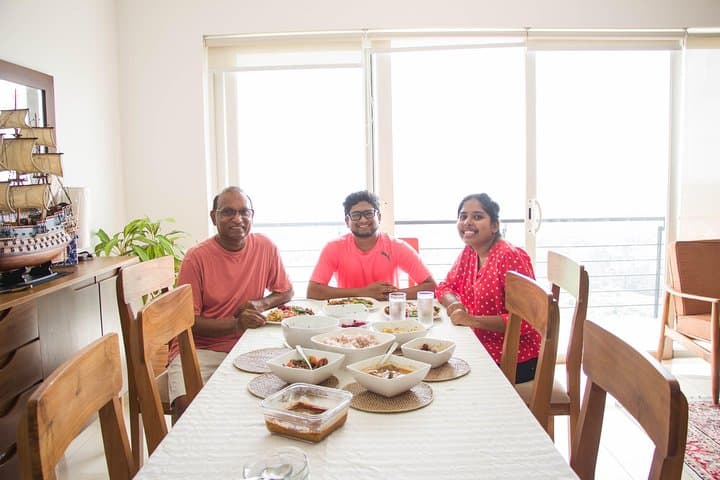
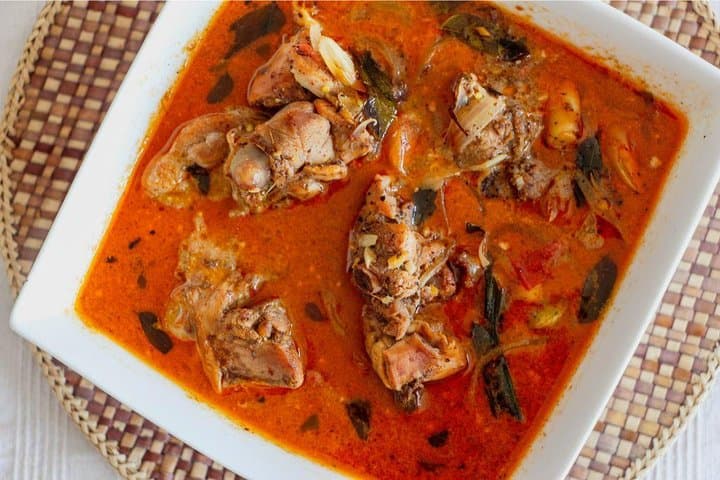
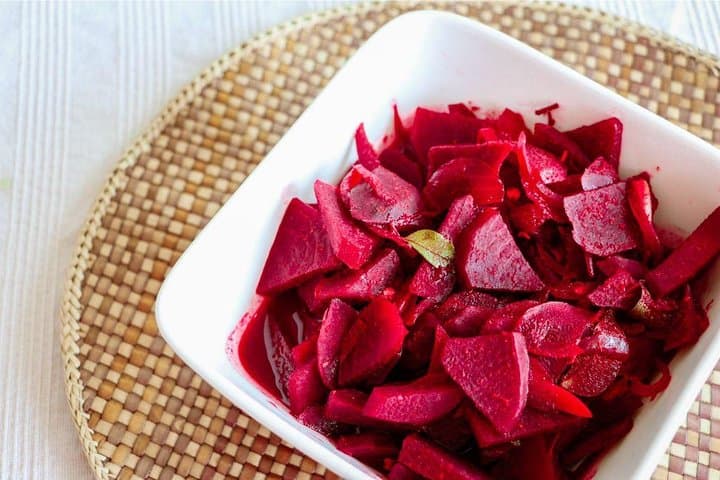
Expect a small, private group at a table conversation-style setting, tasting multiple courses: a meat or fish curry, lentils, vegetable sides and a traditional dessert. The mood is relaxed and conversational rather than a formal class; you’ll leave with recipe notes, a fuller palate and a clearer sense of Colombo’s daily food culture.
Practical guidance: arrive on time, communicate dietary restrictions in advance, wear comfortable, modest clothing and bring a small gesture of thanks if you wish. Portions are home-sized; the experience emphasizes cultural exchange as much as eating. For travelers who want an intimate, authentic meal and local stories, this is a practical, flavorful way to connect with Colombo beyond restaurants.
easy.
2 hours.
No special fitness required; suitable for most travelers comfortable sitting for a shared meal
Yes — if you indicate dietary preferences when booking, the host can prepare vegetarian or vegan versions of many dishes using lentils, vegetables and coconut-based sauces.
Alcoholic beverages may be offered as listed; confirm availability and any additional cost with the host before arrival.
The meeting point is in central Colombo; you’ll receive exact address and arrival instructions from the operator — taxis or ride-hailing apps are the most common ways to reach high-rise residences.
Yes — the experience is described as suitable for all physical fitness levels; however check with the operator about portion sizes and spice tolerance for younger children.
Colombo’s cuisine reflects centuries of trade and colonial influence — Portuguese, Dutch and South Indian cooking traditions merged with indigenous rice-and-curry habits to create the island’s signature dishes.
Support sustainable food practices by asking about locally sourced ingredients and reducing food waste; choosing experiences with local hosts helps keep tourism dollars in the community.
Traveling Spoon operates guided outdoor trips and adventures with an emphasis on safety, stewardship, and memorable experiences.
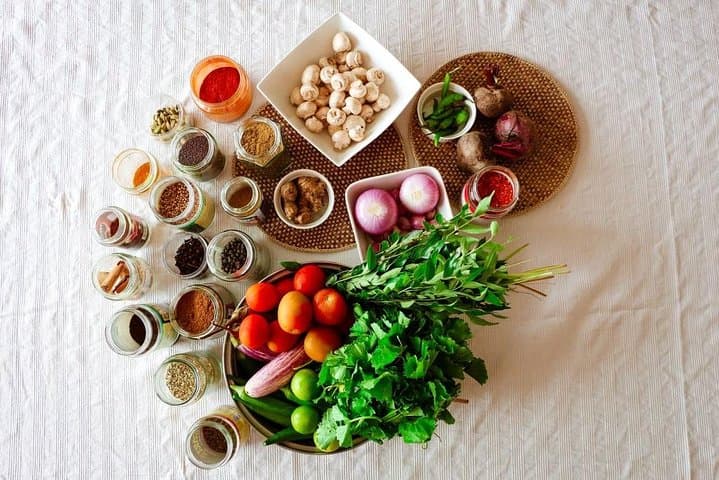
The elevator opens onto a high-rise corridor and the scent of coconut oil and curry spices drifts out like an invitation. Inside Bandu’s apartment, a compact dining table becomes the stage for a two-hour lesson in unpretentious, home-style Sri Lankan cooking — bright curry powders, the soft hiss of tempering mustard seeds, and the crisp, citrus bite of gotu kola salad.
The elevator opens onto a high-rise corridor and the scent of coconut oil and curry spices drifts out like an invitation. Inside Bandu’s apartment, a compact dining table becomes the stage for a two-hour lesson in unpretentious, home-style Sri Lankan cooking — bright curry powders, the soft hiss of tempering mustard seeds, and the crisp, citrus bite of gotu kola salad.
Sri Lankan food is shaped by island geology and history: wet-zone rice paddies and coastal fisheries meet centuries of Portuguese, Dutch and South Indian trade, producing layered curries, sambols and coconut-forward desserts such as wattalappam. Bandu, who learned to cook from his mother and refined recipes during decades abroad, shares not only techniques but cultural context — when to use coconut milk for richness, why certain greens are eaten for health, and how family meals mark holidays and life events.
Expect a small, private group at a table conversation-style setting, tasting multiple courses: a meat or fish curry, lentils, vegetable sides and a traditional dessert. The mood is relaxed and conversational rather than a formal class; you’ll leave with recipe notes, a fuller palate and a clearer sense of Colombo’s daily food culture.
Practical guidance: arrive on time, communicate dietary restrictions in advance, wear comfortable, modest clothing and bring a small gesture of thanks if you wish. Portions are home-sized; the experience emphasizes cultural exchange as much as eating. For travelers who want an intimate, authentic meal and local stories, this is a practical, flavorful way to connect with Colombo beyond restaurants.