THE ADVENTURE COLLECTIVE® · Independent discovery and booking for outdoor travel

Step into a private Delhi kitchen for a three-hour vegetarian cooking session with a local host. Learn to roll chapati, fry pakoda and balance Indian spices, then sit down to eat what you make.
Step into a private Delhi kitchen for a three-hour vegetarian cooking session with a local host. Learn to roll chapati, fry pakoda and balance Indian spices, then sit down to eat what you make.
The kitchen door opens to steam and the quick rhythm of a spoon against iron—cardamom flirts with mustard seeds, and cumin dares you to keep following the scent. In a modest New Delhi home the class begins at a small counter: a gas flame, a stack of chapati dough, and jars of spices that have been passed along through generations.
Verified experiences and guided adventures in the surrounding area.
Operated by India saying namaste Trips · New Delhi, Delhi
The kitchen door opens to steam and the quick rhythm of a spoon against iron—cardamom flirts with mustard seeds, and cumin dares you to keep following the scent. In a modest New Delhi home the class begins at a small counter: a gas flame, a stack of chapati dough, and jars of spices that have been passed along through generations.
Delhi’s food is a practical history lesson. Centuries of Mughal, Persian and regional influences left a cuisine of rich gravies and simple bread; Old Delhi’s spice traders on the Yamuna floodplain still shape what arrives on the home table. Geologically, the broad alluvial plain around Delhi made grain cultivation reliable, and the city’s markets—Khari Baoli among them—built a dense trade in whole spices that home cooks rely on.
This private, three-hour vegetarian session is as much social as technical: you’ll learn to roll chapati, batter pakoda and balance flavors under the instructor’s guidance, then eat what you cook. The lesson mixes hands-on technique with cultural notes—why certain spices are toasted, how seasonal vegetables appear in menus, and how households conserve food.
Practical notes: pickup and drop are included; arrive with dietary requests flagged. Expect basic stove and knife work—no advanced skills required. Wear closed shoes and bring a refillable bottle; kitchens can be warm. If you plan to visit the spice market before or after, keep small change and a camera ready—the streets reward short detours.
easy.
3 hours.
Light activity—standing, basic cooking motions; no special fitness required
Yes—private transportation is included; confirm exact pickup location and time when booking.
The class is vegetarian; notify the operator before arrival about allergies or vegan needs so recipes can be adjusted.
Typical menu includes a starter (mix veg pakoda), mains like chapati, and a simple salad; the host customizes based on season and preference.
You can receive a full refund if you cancel at least 24 hours before the scheduled start time, per the booking policy.
Delhi’s home-cooking tradition reflects Mughal and regional influences; family recipes and spice blends have been adapted across generations.
Support sustainability by minimizing food waste during lessons and buying spices from small local vendors; many Delhi cooks favor seasonal, locally produced vegetables.
India saying namaste Trips operates guided outdoor trips and adventures with an emphasis on safety, stewardship, and memorable experiences.
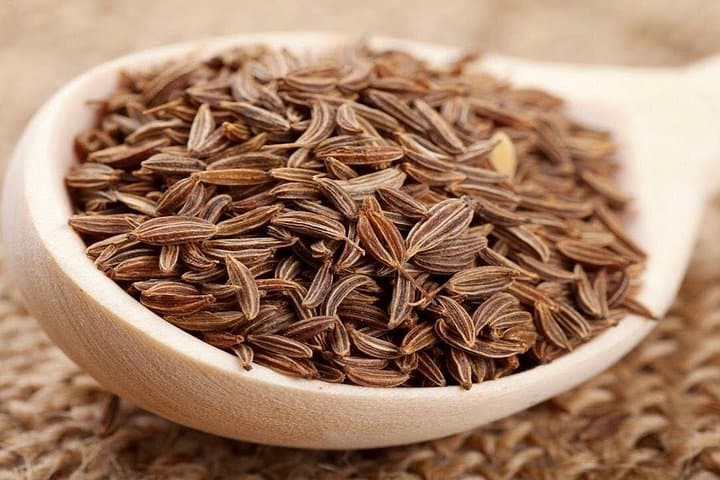
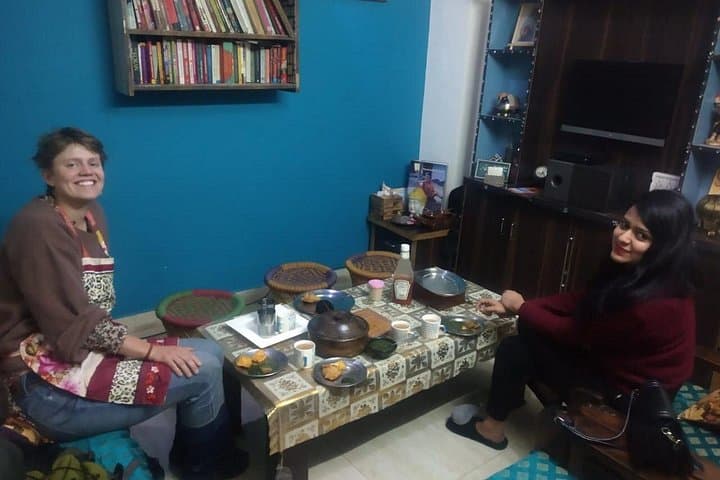
The kitchen door opens to steam and the quick rhythm of a spoon against iron—cardamom flirts with mustard seeds, and cumin dares you to keep following the scent. In a modest New Delhi home the class begins at a small counter: a gas flame, a stack of chapati dough, and jars of spices that have been passed along through generations.
The kitchen door opens to steam and the quick rhythm of a spoon against iron—cardamom flirts with mustard seeds, and cumin dares you to keep following the scent. In a modest New Delhi home the class begins at a small counter: a gas flame, a stack of chapati dough, and jars of spices that have been passed along through generations.
Delhi’s food is a practical history lesson. Centuries of Mughal, Persian and regional influences left a cuisine of rich gravies and simple bread; Old Delhi’s spice traders on the Yamuna floodplain still shape what arrives on the home table. Geologically, the broad alluvial plain around Delhi made grain cultivation reliable, and the city’s markets—Khari Baoli among them—built a dense trade in whole spices that home cooks rely on.
This private, three-hour vegetarian session is as much social as technical: you’ll learn to roll chapati, batter pakoda and balance flavors under the instructor’s guidance, then eat what you cook. The lesson mixes hands-on technique with cultural notes—why certain spices are toasted, how seasonal vegetables appear in menus, and how households conserve food.
Practical notes: pickup and drop are included; arrive with dietary requests flagged. Expect basic stove and knife work—no advanced skills required. Wear closed shoes and bring a refillable bottle; kitchens can be warm. If you plan to visit the spice market before or after, keep small change and a camera ready—the streets reward short detours.