THE ADVENTURE COLLECTIVE® · Independent discovery and booking for outdoor travel

Walk the world-famous Hollywood Walk of Fame with a local guide who brings film history, architecture, and neighborhood stories to life. This 1–2 hour stroll covers about 3 miles and includes stops at TCL Chinese Theatre and the Dolby Theatre.
Walk the world-famous Hollywood Walk of Fame with a local guide who brings film history, architecture, and neighborhood stories to life. This 1–2 hour stroll covers about 3 miles and includes stops at TCL Chinese Theatre and the Dolby Theatre.
You step onto Hollywood Boulevard and the city’s soundtrack shifts: chatter, street performers, the click of cameras. The guide leads you past brass stars embedded in the concrete, each one a small marker of pop culture and ambition. Palm trees lean over the sidewalk like ushers; neon signs keep time with the afternoon light.
Verified experiences and guided adventures in the surrounding area.
Operated by Joe Puli · Los Angeles, California
You step onto Hollywood Boulevard and the city’s soundtrack shifts: chatter, street performers, the click of cameras. The guide leads you past brass stars embedded in the concrete, each one a small marker of pop culture and ambition. Palm trees lean over the sidewalk like ushers; neon signs keep time with the afternoon light.
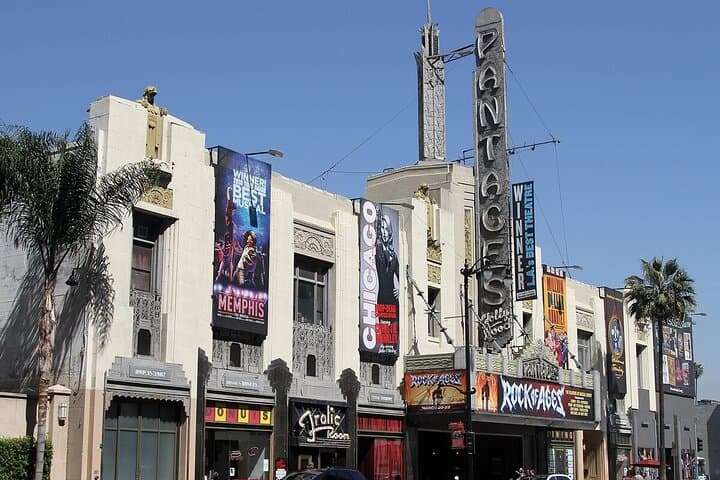
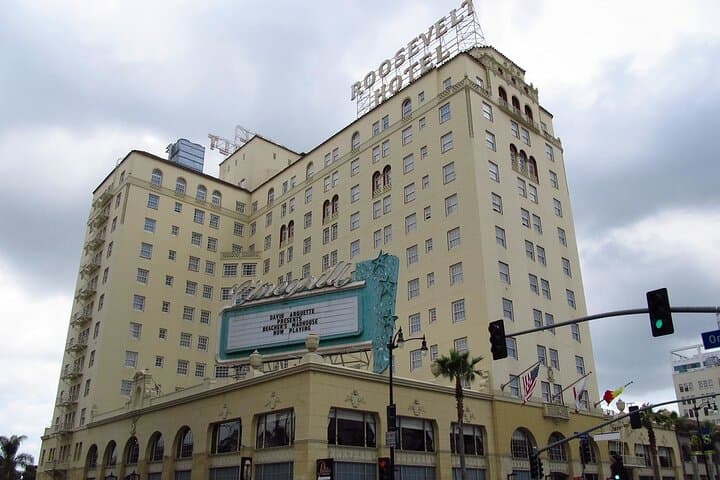
The tour threads history into place — how a dry valley in the early 1900s became a magnet for film studios, how early architecture borrowed Mediterranean motifs and Art Deco flourishes, and how the Walk of Fame grew into a public record of American entertainment. Geology is subtle here: the boulevard runs along gentle slopes carved by ancient drainages of the Los Angeles Basin; visible hills to the north are part of the Hollywood Hills fault-block. Culturally, the walk crosses eras — vaudeville theaters, mid-century movie palaces, and contemporary museums that reflect Hollywood’s changing industries.
Expect roughly 3 miles on foot over mostly flat, paved sidewalks with intermittent curbs and crowded crossings. The guide points out landmarks like TCL Chinese Theatre and the Dolby Theatre, explains lesser-known stories about neighborhood restaurants, and pauses for photos. Practical notes: bring comfortable, broken-in shoes, carry a small water bottle, and plan for sunscreen or a light layer — Los Angeles sun can be fierce and evenings cool.
Timing matters: mornings offer lighter crowds and better light for handprints; evenings amp up street life but can slow progress. The tour is accessible to most walkers and offers a concise, grounded view of Hollywood that balances showbiz lore with urban realities.
easy.
1–2 hours.
Suitable for most fitness levels; participants should be able to walk 3 miles with intermittent stops.
Tours run about 60–120 minutes and cover roughly 3 miles on paved sidewalks with frequent stops.
Yes — sidewalks and primary stops on Hollywood Boulevard are wheelchair and stroller accessible, though crowds can limit maneuverability.
Mobile or paper tickets are accepted; bring your booking confirmation to redeem with the guide at the meeting point.
Yes — guides often act as personal photographers and can recommend nearby restaurants and photo angles.
Hollywood evolved from a small agricultural community into a film industry hub in the early 20th century; many theaters on the boulevard date to the 1920s–1940s.
High pedestrian traffic challenges sidewalk maintenance and street-tree health; support local businesses and follow litter rules to reduce impact.
Joe Puli operates guided outdoor trips and adventures with an emphasis on safety, stewardship, and memorable experiences.
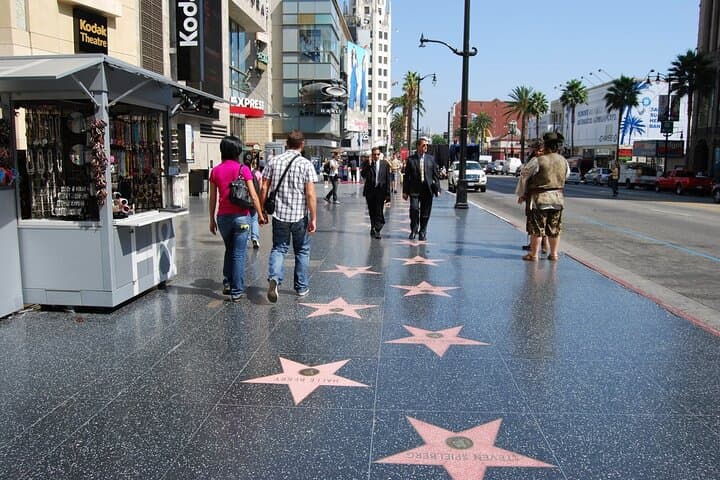
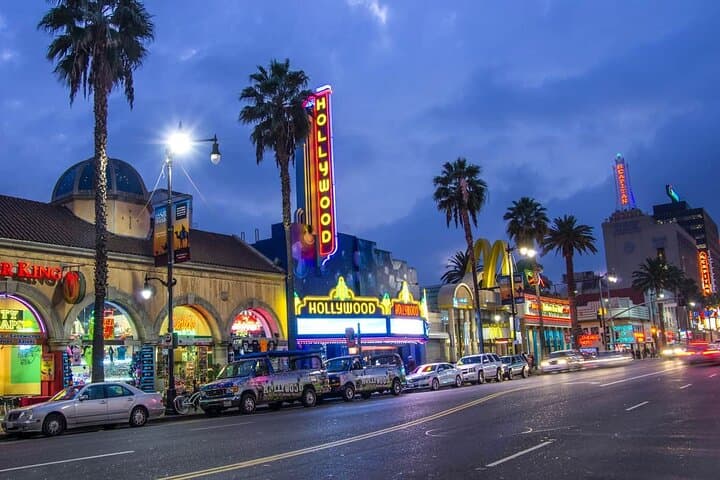
You step onto Hollywood Boulevard and the city’s soundtrack shifts: chatter, street performers, the click of cameras. The guide leads you past brass stars embedded in the concrete, each one a small marker of pop culture and ambition. Palm trees lean over the sidewalk like ushers; neon signs keep time with the afternoon light.
You step onto Hollywood Boulevard and the city’s soundtrack shifts: chatter, street performers, the click of cameras. The guide leads you past brass stars embedded in the concrete, each one a small marker of pop culture and ambition. Palm trees lean over the sidewalk like ushers; neon signs keep time with the afternoon light.
The tour threads history into place — how a dry valley in the early 1900s became a magnet for film studios, how early architecture borrowed Mediterranean motifs and Art Deco flourishes, and how the Walk of Fame grew into a public record of American entertainment. Geology is subtle here: the boulevard runs along gentle slopes carved by ancient drainages of the Los Angeles Basin; visible hills to the north are part of the Hollywood Hills fault-block. Culturally, the walk crosses eras — vaudeville theaters, mid-century movie palaces, and contemporary museums that reflect Hollywood’s changing industries.
Expect roughly 3 miles on foot over mostly flat, paved sidewalks with intermittent curbs and crowded crossings. The guide points out landmarks like TCL Chinese Theatre and the Dolby Theatre, explains lesser-known stories about neighborhood restaurants, and pauses for photos. Practical notes: bring comfortable, broken-in shoes, carry a small water bottle, and plan for sunscreen or a light layer — Los Angeles sun can be fierce and evenings cool.
Timing matters: mornings offer lighter crowds and better light for handprints; evenings amp up street life but can slow progress. The tour is accessible to most walkers and offers a concise, grounded view of Hollywood that balances showbiz lore with urban realities.