THE ADVENTURE COLLECTIVE® · Independent discovery and booking for outdoor travel

A full-day boat tour from Playa del Carmen that threads mangroves and shallow seas to reach Holbox’s Punta Mosquito, Isla de la Pasión and the freshwater Yalahau Lagoon—ideal for birdwatching, beach time, and a relaxed island lunch.
A full-day boat tour from Playa del Carmen that threads mangroves and shallow seas to reach Holbox’s Punta Mosquito, Isla de la Pasión and the freshwater Yalahau Lagoon—ideal for birdwatching, beach time, and a relaxed island lunch.
The day begins before dawn on the Riviera Maya: a shuttle hums through sleepy streets, and by the time the sun lifts over the mangroves you are gliding across the Gulf of Mexico toward Holbox. The boat cuts a white line through glassy water; winds tease the palms and the island’s low profile appears, a scatter of palms, painted walls and long sandbars where birds stake out the tide.
Verified experiences and guided adventures in the surrounding area.
Operated by AGILA TOURS · Holbox, Quintana Roo
The day begins before dawn on the Riviera Maya: a shuttle hums through sleepy streets, and by the time the sun lifts over the mangroves you are gliding across the Gulf of Mexico toward Holbox. The boat cuts a white line through glassy water; winds tease the palms and the island’s low profile appears, a scatter of palms, painted walls and long sandbars where birds stake out the tide.
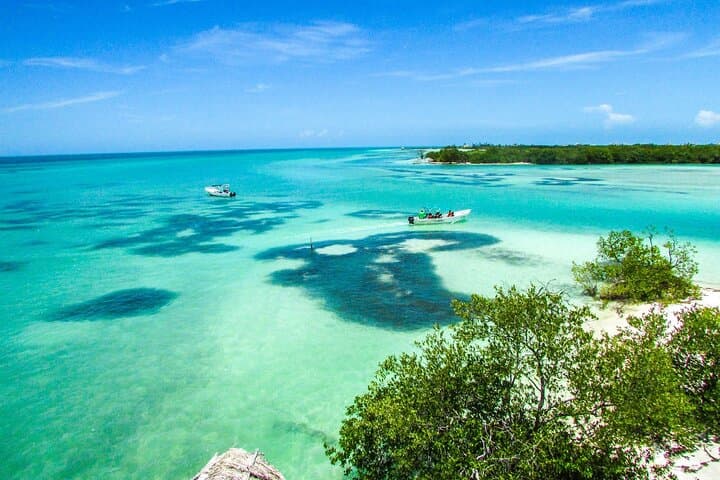
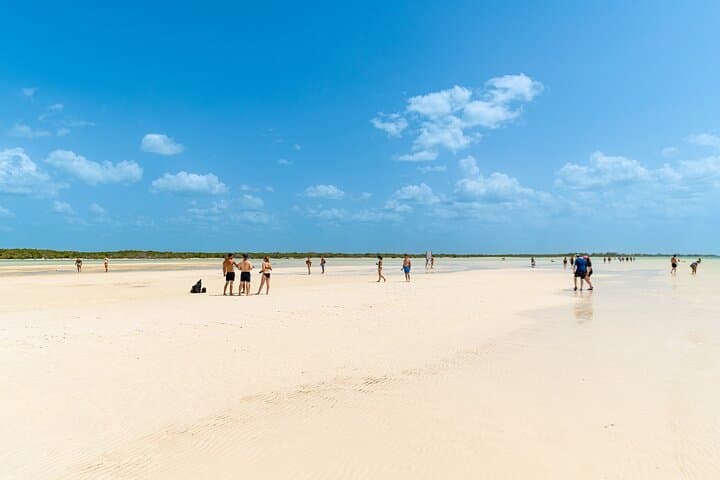
Holbox—part of the Yum Balam Reserve—is a shallow, shifting landscape of sand, mangroves and tidal flats. Punta Mosquito is the island’s edgework: a finger of sand and shoals that rearrange with each current, offering wide sky and a raw horizon. Nearby Yalahau is a freshwater lagoon that has been a local refresh point for centuries; its clear pool feels like an inland breath between the Gulf and the mangrove thicket.
The island’s history is maritime and modest: fishermen’s cabins, small orchards and a community shaped by reef and riverine ecosystems. Holbox’s geology is Holocene sand and carbonate—sandbars and dunes built from coral and shells—so the shoreline moves with storms and seasons. Murals and tiny restaurants in town reflect a cultured improvisation: locals combine Mayan roots and Caribbean fishing traditions with recent eco-tourism.
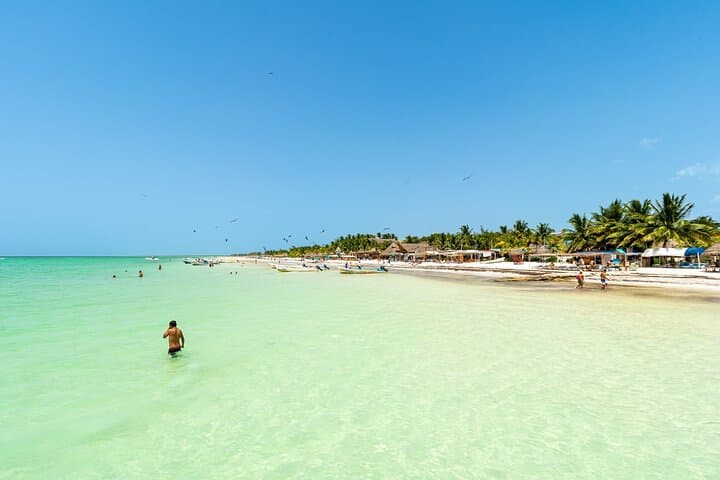
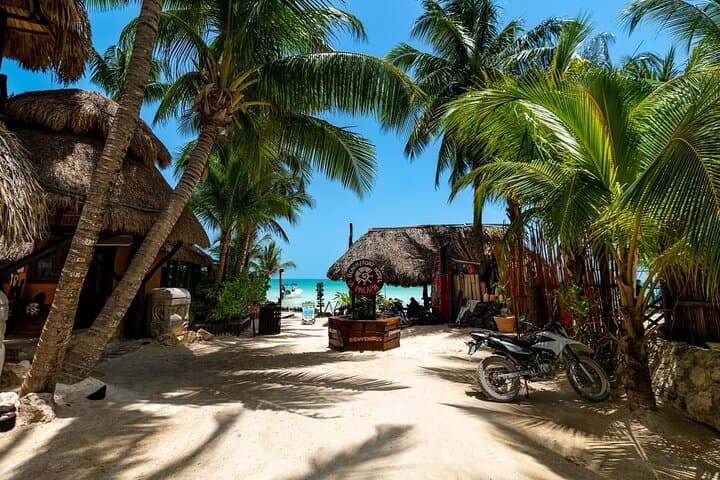
On this full-day tour travelers spend time hopping between shallow lagoons, exploring Isla de la Pasión, and walking the beaches at Holbox town. Guides point out migratory birds—flamingos and terns among them—and explain the Yum Balam conservation rules that keep boats away from delicate areas. Lunch comes island-style: seafood, lime, and cold drinks under palapas, with free time to wander Holbox’s murals or rest on the powdery sand.
Practical details matter on a long day trip. Expect a total outing of roughly 11–12 hours including land transport from Playa del Carmen, boat transfers, and on-island stops. The terrain is flat sand and wooden walkways—no hiking boots needed, but stable sandals or reef shoes help on shoals. Bring cash for the 500 MXN ecotax payable on arrival, a towel and quick-dry change of clothes. Sunscreen and a reusable water bottle are essential: the sun and salt will remind you if you forget.
Timing is everything: mornings are calmer for birding and photography, while midday brings warm shallow water ideal for wading. For families and nature lovers this route balances relaxed beach time with short exploratory walks; for photographers it serves up expansive skies, reflective lagoons and vivid birdlife. Respect the reserve—keep to guidance from guides, take only photographs, and leave only footprints.
moderate.
11–12 hours.
Suitable for travelers with basic fitness—mostly easy walking on sand and short boat transfers; be prepared for a long day.
Total time is about 11–12 hours including hotel pickup in the Riviera Maya, land transfers, boat crossings and stops on Holbox.
No—the ecotax (~500 MXN) is not included and must be paid in cash on arrival.
Yes—families are welcome, but infants must sit on laps and activities are paced for mixed ages.
Yes—Holbox waters are generally safe for wading and swimming; follow guides’ instructions in protected areas and avoid leaving trash.
Expect coastal birds like flamingos and pelicans; seasonal sightings can include whale sharks (May–September) offshore and abundant shorebirds.
Take preventative medication before departure, sit mid-boat where motion is least, and keep sightlines on the horizon; guides carry basic remedies.
Holbox lies within the Yum Balam Natural Reserve; historically the island supported small Mayan fishing communities and later Caribbean-style fisheries that shaped its settlements.
The area is ecologically sensitive—mangroves and seagrass beds are critical nursery habitat; visitors should avoid single-use plastics and follow guide instructions to minimize impact.
AGILA TOURS operates guided outdoor trips and adventures with an emphasis on safety, stewardship, and memorable experiences.
The day begins before dawn on the Riviera Maya: a shuttle hums through sleepy streets, and by the time the sun lifts over the mangroves you are gliding across the Gulf of Mexico toward Holbox. The boat cuts a white line through glassy water; winds tease the palms and the island’s low profile appears, a scatter of palms, painted walls and long sandbars where birds stake out the tide.
The day begins before dawn on the Riviera Maya: a shuttle hums through sleepy streets, and by the time the sun lifts over the mangroves you are gliding across the Gulf of Mexico toward Holbox. The boat cuts a white line through glassy water; winds tease the palms and the island’s low profile appears, a scatter of palms, painted walls and long sandbars where birds stake out the tide.
Holbox—part of the Yum Balam Reserve—is a shallow, shifting landscape of sand, mangroves and tidal flats. Punta Mosquito is the island’s edgework: a finger of sand and shoals that rearrange with each current, offering wide sky and a raw horizon. Nearby Yalahau is a freshwater lagoon that has been a local refresh point for centuries; its clear pool feels like an inland breath between the Gulf and the mangrove thicket.
The island’s history is maritime and modest: fishermen’s cabins, small orchards and a community shaped by reef and riverine ecosystems. Holbox’s geology is Holocene sand and carbonate—sandbars and dunes built from coral and shells—so the shoreline moves with storms and seasons. Murals and tiny restaurants in town reflect a cultured improvisation: locals combine Mayan roots and Caribbean fishing traditions with recent eco-tourism.
On this full-day tour travelers spend time hopping between shallow lagoons, exploring Isla de la Pasión, and walking the beaches at Holbox town. Guides point out migratory birds—flamingos and terns among them—and explain the Yum Balam conservation rules that keep boats away from delicate areas. Lunch comes island-style: seafood, lime, and cold drinks under palapas, with free time to wander Holbox’s murals or rest on the powdery sand.
Practical details matter on a long day trip. Expect a total outing of roughly 11–12 hours including land transport from Playa del Carmen, boat transfers, and on-island stops. The terrain is flat sand and wooden walkways—no hiking boots needed, but stable sandals or reef shoes help on shoals. Bring cash for the 500 MXN ecotax payable on arrival, a towel and quick-dry change of clothes. Sunscreen and a reusable water bottle are essential: the sun and salt will remind you if you forget.
Timing is everything: mornings are calmer for birding and photography, while midday brings warm shallow water ideal for wading. For families and nature lovers this route balances relaxed beach time with short exploratory walks; for photographers it serves up expansive skies, reflective lagoons and vivid birdlife. Respect the reserve—keep to guidance from guides, take only photographs, and leave only footprints.