THE ADVENTURE COLLECTIVE® · Independent discovery and booking for outdoor travel

A half-day voyage from the Riviera Maya delivers crystalline cenotes, bird-filled islets and remote white-sand beaches. This Holbox Island adventure blends swimming in Yalahau, seabird watching on Passion Island, and the quiet dunes of Punta Mosquito.
A half-day voyage from the Riviera Maya delivers crystalline cenotes, bird-filled islets and remote white-sand beaches. This Holbox Island adventure blends swimming in Yalahau, seabird watching on Passion Island, and the quiet dunes of Punta Mosquito.
The boat slips away from the pier and the Yucatán heat changes from a pressed-down weight into a humid, buoyant presence that lifts sand and gulls alike. Within 90 minutes you are threading shallow turquoise—waters that dare you to swim—and the silhouette of Holbox rises low and flat on the horizon. On this day trip from the Riviera Maya, islands and sandbars become a moving itinerary: a freshwater cenote fed by underground rivers, a skinny islet where seabirds congregate, a remote northern spit of powder-white sand and, finally, the slow village life of Holbox itself.
Verified experiences and guided adventures in the surrounding area.
Operated by Cancun Adventures · Holbox, Quintana Roo
The boat slips away from the pier and the Yucatán heat changes from a pressed-down weight into a humid, buoyant presence that lifts sand and gulls alike. Within 90 minutes you are threading shallow turquoise—waters that dare you to swim—and the silhouette of Holbox rises low and flat on the horizon. On this day trip from the Riviera Maya, islands and sandbars become a moving itinerary: a freshwater cenote fed by underground rivers, a skinny islet where seabirds congregate, a remote northern spit of powder-white sand and, finally, the slow village life of Holbox itself.
Holbox sits inside the Yum Balam reserve, a coastal plain that records the twin stories of limestone shelf and mangrove. The Yalahau cenote you visit is a geological seam where rain and subterranean aquifers meet the sea; fresh springs push up through the carbonate platform, creating windows of clarity in an otherwise shallow, marine wash. The island’s human story is simple and direct: a small fishing community shaped by tides and seasons, with Mayan ancestry and a modern economy angled toward respectful wildlife viewing. Locals have long resisted mass development—no paved roads, very few cars—and that restraint is now part of the island’s identity and conservation strategy.
Wildlife is the star. Passion Island hosts breeding and roosting seabirds—brown pelicans, frigatebirds and elegant herons—while Punta Mosquito’s sandbars are sculpted by wind and tidal choreography; at low tide the reef shows its ribs and sand spits appear like temporary highways across blue. Between May and September, whale sharks cruise offshore, drawing serious swimmers; outside that window, flamingos and migratory shorebirds are the daily pageant.
Practical matters: the tour runs about 4–5 hours on the water but plan for an extended door-to-door day—travel to the departure pier at Chiquilá can take up to 2½ hours each way from parts of the Riviera Maya. Bring reef-safe sunscreen, a hat, and a lightweight cover for sudden sun. Shoes that can handle sand and wet decks make transitions smoother; swimsuits under clothes get you in and out fast. Guides typically provide bottled water, snacks and a local-style lunch—fish ceviche and grilled catches are common—so bring any dietary notes ahead of time.
For photography, aim for early light when the birds are active and shadows are soft; the sandbars at low tide give undisturbed horizon lines for wide panoramas. Respect wildlife distances—the island’s appeal depends on the quiet humans allow it—and enjoy the slow cadence: salt on your skin, wind in the mangroves, and the current nudging you along.
moderate.
4–5 hours (on-tour); allow 8–10 hours door-to-door from Riviera Maya.
Moderate fitness—comfortable boarding boats, short swims, and walking on soft sand required
Yes—guests should be comfortable in water for cenote swims and optional snorkeling; life jackets are provided when needed.
Round-trip transport from most Riviera Maya hotels is included; pickup times vary by hotel location, confirm with the operator.
Yes—this tour includes a local-style lunch featuring fresh seafood; advise about dietary restrictions when booking.
Whale shark sightings are seasonal (typically May–September) and not guaranteed; this tour focuses on island stops and birdlife.
Basic restroom facilities are available at certain stops and onshore at Holbox; boats may have limited options.
Children aged 6 and up can join, but the tour requires moderate mobility and comfort boarding boats and walking on sand.
Holbox is part of the Yum Balam reserve and has long been a small fishing community with Mayan roots; its economy shifted toward ecotourism as protections increased.
Local regulations limit development and control wildlife interactions; choose operators that use reef-safe products and follow reserve guidelines.
Cancun Adventures operates guided outdoor trips and adventures with an emphasis on safety, stewardship, and memorable experiences.
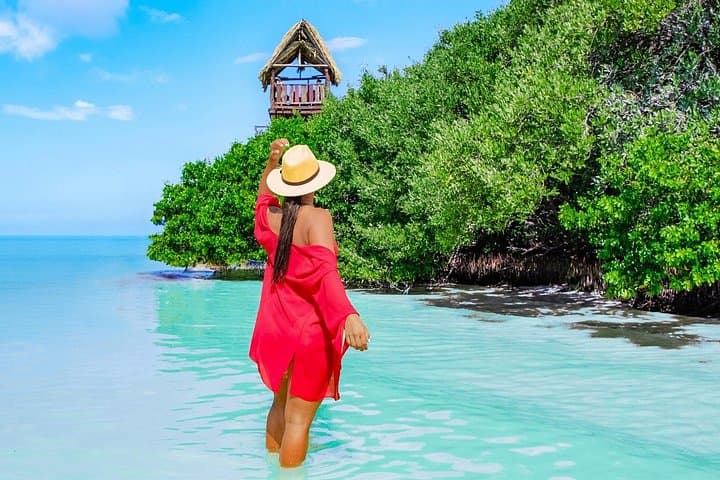
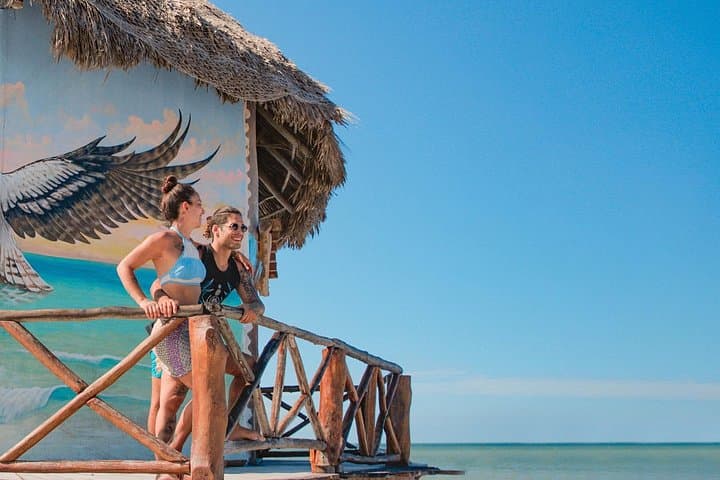
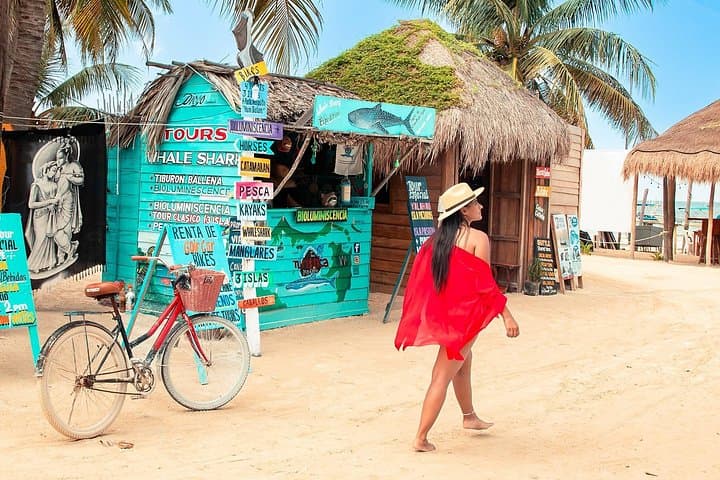
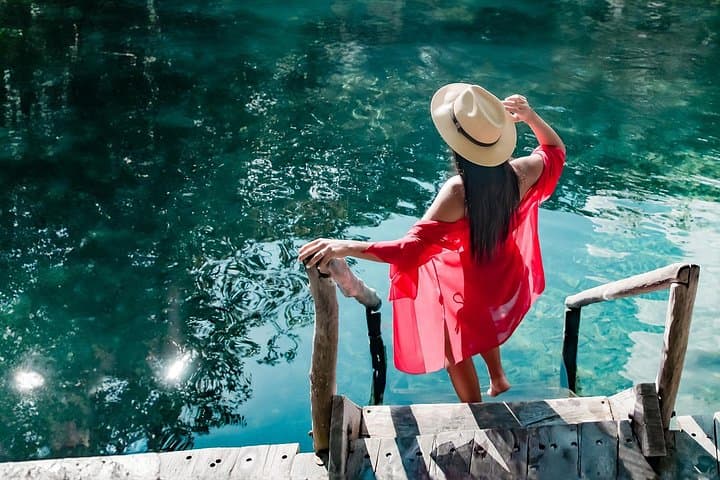
The boat slips away from the pier and the Yucatán heat changes from a pressed-down weight into a humid, buoyant presence that lifts sand and gulls alike. Within 90 minutes you are threading shallow turquoise—waters that dare you to swim—and the silhouette of Holbox rises low and flat on the horizon. On this day trip from the Riviera Maya, islands and sandbars become a moving itinerary: a freshwater cenote fed by underground rivers, a skinny islet where seabirds congregate, a remote northern spit of powder-white sand and, finally, the slow village life of Holbox itself.
The boat slips away from the pier and the Yucatán heat changes from a pressed-down weight into a humid, buoyant presence that lifts sand and gulls alike. Within 90 minutes you are threading shallow turquoise—waters that dare you to swim—and the silhouette of Holbox rises low and flat on the horizon. On this day trip from the Riviera Maya, islands and sandbars become a moving itinerary: a freshwater cenote fed by underground rivers, a skinny islet where seabirds congregate, a remote northern spit of powder-white sand and, finally, the slow village life of Holbox itself.
Holbox sits inside the Yum Balam reserve, a coastal plain that records the twin stories of limestone shelf and mangrove. The Yalahau cenote you visit is a geological seam where rain and subterranean aquifers meet the sea; fresh springs push up through the carbonate platform, creating windows of clarity in an otherwise shallow, marine wash. The island’s human story is simple and direct: a small fishing community shaped by tides and seasons, with Mayan ancestry and a modern economy angled toward respectful wildlife viewing. Locals have long resisted mass development—no paved roads, very few cars—and that restraint is now part of the island’s identity and conservation strategy.
Wildlife is the star. Passion Island hosts breeding and roosting seabirds—brown pelicans, frigatebirds and elegant herons—while Punta Mosquito’s sandbars are sculpted by wind and tidal choreography; at low tide the reef shows its ribs and sand spits appear like temporary highways across blue. Between May and September, whale sharks cruise offshore, drawing serious swimmers; outside that window, flamingos and migratory shorebirds are the daily pageant.
Practical matters: the tour runs about 4–5 hours on the water but plan for an extended door-to-door day—travel to the departure pier at Chiquilá can take up to 2½ hours each way from parts of the Riviera Maya. Bring reef-safe sunscreen, a hat, and a lightweight cover for sudden sun. Shoes that can handle sand and wet decks make transitions smoother; swimsuits under clothes get you in and out fast. Guides typically provide bottled water, snacks and a local-style lunch—fish ceviche and grilled catches are common—so bring any dietary notes ahead of time.
For photography, aim for early light when the birds are active and shadows are soft; the sandbars at low tide give undisturbed horizon lines for wide panoramas. Respect wildlife distances—the island’s appeal depends on the quiet humans allow it—and enjoy the slow cadence: salt on your skin, wind in the mangroves, and the current nudging you along.