THE ADVENTURE COLLECTIVE® · Independent discovery and booking for outdoor travel

Spend a full day on Isla Holbox exploring white-sand beaches, bird-filled tidal flats and a night lagoon that glows with bioluminescence. This accessible day tour blends shallow-water wildlife viewing with relaxed seaside culture and practical tips for minimizing your footprint.
Spend a full day on Isla Holbox exploring white-sand beaches, bird-filled tidal flats and a night lagoon that glows with bioluminescence. This accessible day tour blends shallow-water wildlife viewing with relaxed seaside culture and practical tips for minimizing your footprint.
You step off the small ferry and the island inhales salt and warm air—the sand underfoot is powder-fine, the Atlantic a shallow pool that invites slow wading. The day unfurls here with a gentle rhythm: a boat skimming across pale water, flamingos rearranging themselves on tidal flats, and a night lagoon that seems to carry its own starlight.
Verified experiences and guided adventures in the surrounding area.
Operated by ALEMAN TRAVEL AGENCY · Holbox, Quintana Roo
You step off the small ferry and the island inhales salt and warm air—the sand underfoot is powder-fine, the Atlantic a shallow pool that invites slow wading. The day unfurls here with a gentle rhythm: a boat skimming across pale water, flamingos rearranging themselves on tidal flats, and a night lagoon that seems to carry its own starlight.
Holbox sits on the north coast of the Yucatán Peninsula within the Yum Balam reserve, formed by coastal sediments and protected mangroves. The island’s human story is one of fishing villages and modest tourism—local chefs and fishermen still shape the rhythms of the town. Geologically the terrain is flat, made of sand and coastal flats with negligible elevation gain; tides and currents sculpt the shoreline daily.
On a typical nine-hour excursion you'll cross from Chiquilá by ferry or boat (roughly 20–30 minutes of travel), stretch along white-sand beaches for a few kilometers and take short boat rides to wildlife areas. Expect easy walking on sand and packed paths; elevation gain is essentially zero. Wildlife viewing highlights include flamingos, shorebirds, dolphins, and seasonal sea turtles. After dark, bioluminescent displays in protected lagoons light up with every paddle—bring a sense of quiet and minimal light to preserve the spectacle.
Practical guidance: carry reef‑safe sunscreen, a refillable water bottle, light footwear suitable for sand and shallow water, and a waterproof bag for electronics. Time your visit around high tide if you want extensive wading, and reserve night bioluminescence spots in advance—the phenomenon is best on calm, moonless nights. Respect local conservation rules: stay on marked paths, avoid touching wildlife, and support locally run restaurants and guides.
easy.
9 hours.
Suitable for most fitness levels; requires standing and short walks on sand and low‑impact boat transfers.
The full experience runs about 9 hours and typically includes a short ferry or boat transfer from Chiquilá, local transfers on the island, and guided boat excursions to viewing areas.
Bioluminescence is strongest on calm, moonless nights with little light pollution—often most visible between late spring and early fall, weather permitting.
Many operators on Holbox accommodate families and have accessible transport options, but terrain on the island is sandy and some boat transfers may be challenging for mobility devices—confirm accessibility details with the operator.
Common sightings include shorebirds and flamingos on tidal flats, dolphins offshore, and seasonal sea turtles nesting or hatching—wildlife encounters vary by season and tide.
Holbox grew from fishing communities and is part of the Yum Balam ecological reserve; its culture remains centered on small-scale fishing and local cuisine.
The island’s ecosystems are fragile—follow marked paths, use reef-safe products, avoid single‑use plastics, and support guides who follow reserve rules.
ALEMAN TRAVEL AGENCY operates guided outdoor trips and adventures with an emphasis on safety, stewardship, and memorable experiences.

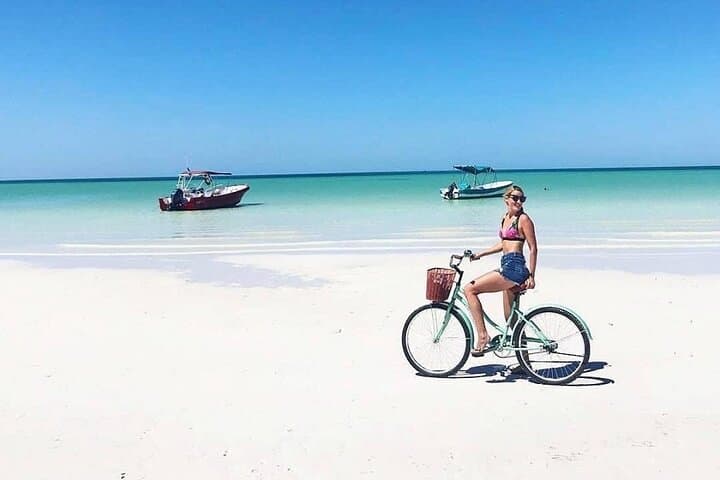
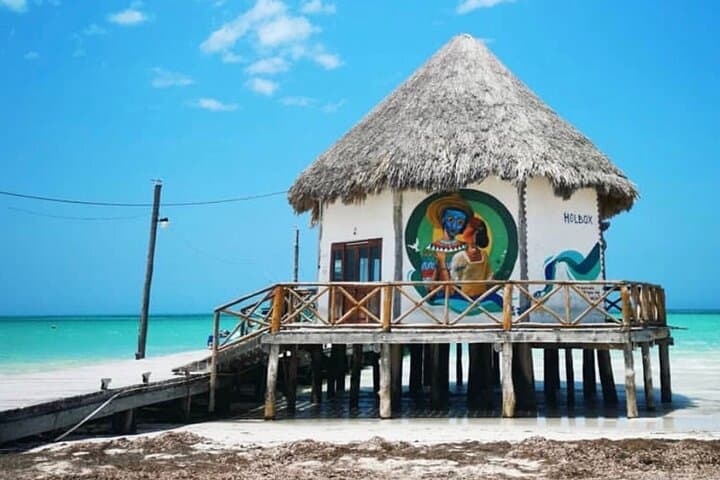
You step off the small ferry and the island inhales salt and warm air—the sand underfoot is powder-fine, the Atlantic a shallow pool that invites slow wading. The day unfurls here with a gentle rhythm: a boat skimming across pale water, flamingos rearranging themselves on tidal flats, and a night lagoon that seems to carry its own starlight.
You step off the small ferry and the island inhales salt and warm air—the sand underfoot is powder-fine, the Atlantic a shallow pool that invites slow wading. The day unfurls here with a gentle rhythm: a boat skimming across pale water, flamingos rearranging themselves on tidal flats, and a night lagoon that seems to carry its own starlight.
Holbox sits on the north coast of the Yucatán Peninsula within the Yum Balam reserve, formed by coastal sediments and protected mangroves. The island’s human story is one of fishing villages and modest tourism—local chefs and fishermen still shape the rhythms of the town. Geologically the terrain is flat, made of sand and coastal flats with negligible elevation gain; tides and currents sculpt the shoreline daily.
On a typical nine-hour excursion you'll cross from Chiquilá by ferry or boat (roughly 20–30 minutes of travel), stretch along white-sand beaches for a few kilometers and take short boat rides to wildlife areas. Expect easy walking on sand and packed paths; elevation gain is essentially zero. Wildlife viewing highlights include flamingos, shorebirds, dolphins, and seasonal sea turtles. After dark, bioluminescent displays in protected lagoons light up with every paddle—bring a sense of quiet and minimal light to preserve the spectacle.
Practical guidance: carry reef‑safe sunscreen, a refillable water bottle, light footwear suitable for sand and shallow water, and a waterproof bag for electronics. Time your visit around high tide if you want extensive wading, and reserve night bioluminescence spots in advance—the phenomenon is best on calm, moonless nights. Respect local conservation rules: stay on marked paths, avoid touching wildlife, and support locally run restaurants and guides.