THE ADVENTURE COLLECTIVE® · Independent discovery and booking for outdoor travel

Quiet sand streets, waist‑deep turquoise shallows and a wildlife-rich reserve define a Holbox visit. This short guide explains what to expect—travel, seasons, and practical tips—so you can enjoy the island responsibly.
Quiet sand streets, waist‑deep turquoise shallows and a wildlife-rich reserve define a Holbox visit. This short guide explains what to expect—travel, seasons, and practical tips—so you can enjoy the island responsibly.
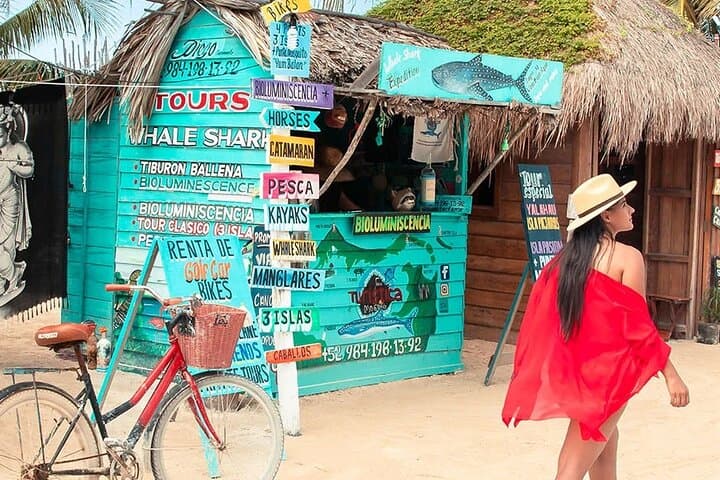
You step off the short ferry and the island greets you in sand—streets of soft granules that swallow footsteps, turquoise water stretching low and wide like an invitation. Wind plays through tamarind and sea grape, and a chorus of pelicans and shorebirds patrols the shoreline as golf carts glide past.
Verified experiences and guided adventures in the surrounding area.
Operated by Landing Tours Cancun · Holbox, Quintana Roo
You step off the short ferry and the island greets you in sand—streets of soft granules that swallow footsteps, turquoise water stretching low and wide like an invitation. Wind plays through tamarind and sea grape, and a chorus of pelicans and shorebirds patrols the shoreline as golf carts glide past.
Holbox sits on the northern edge of the Yucatán Peninsula within the Yum Balam Flora and Fauna Reserve, its geology a flat continuation of limestone shelf and coastal dunes shaped by tides and trade winds. Culturally the island is small and resilient: a fishing village turned low-impact tourism hub where wooden houses and locally run eateries set the tone. The absence of cars keeps the soundscape quiet and wildlife bolder—flamingos and herons use the coastal lagoons, while whale sharks visit offshore in warm months.
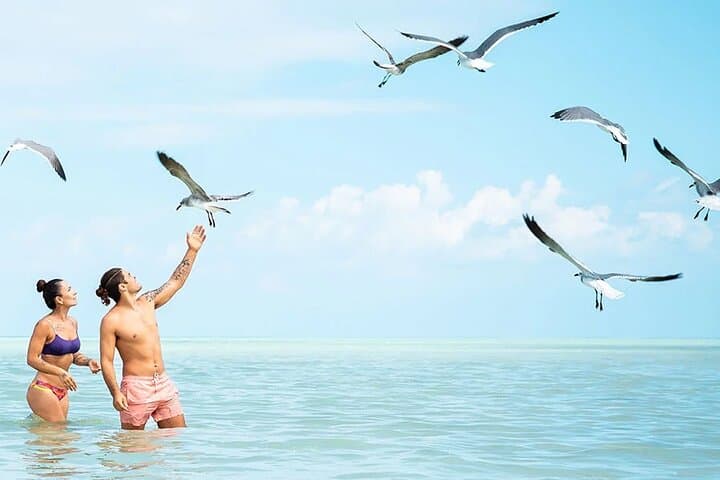
On a four-hour island visit you’ll wander long shallow beaches where water barely reaches your knees for hundreds of meters; that flatness makes Holbox ideal for easy wading, birdwatching, and photography rather than steep hikes. Expect soft sand underfoot, occasional muddy flats near mangroves, and strong tropical sun.
Practicalities: most travelers reach Holbox via a ~2-hour drive from Cancún to Chiquilá and a 20–30 minute ferry. Bring reef-safe sunscreen, a hat, and water; wear sandals that handle sand and salt. If visiting May–September, book whale shark tours through licensed operators and respect no-touch rules. Plan for limited services in the village—cash is handy and many businesses close in the mid-afternoon heat. Travel light, move slowly, and let the island’s patient tide set your pace.
easy.
4 hours.
Suitable for most people who can walk on soft sand and stand in shallow water; minimal elevation and low technical demand but expect heat and humidity.
Drive or take a shuttle about 2 hours to Chiquilá, then a 20–30 minute ferry; many day trips include round transportation from Cancún.
No standard cars—transport is mainly golf carts, bicycles and walking; streets are sandy and unpaved.
Whale sharks are commonly seen between May and September; book through licensed operators who follow no‑touch and safe‑distance rules.
Yes—beaches feature shallow, warm water ideal for wading and swimming, but always heed local warnings about tides and currents.
Holbox developed as a fishing community with ties to regional maritime routes; the island’s conservation stance grew with the creation of the Yum Balam reserve to protect coast and lagoon ecosystems.
The Yum Balam reserve restricts development and fishing in key zones; travelers should stick to marked paths, use reef‑safe products, and avoid disturbing wildlife.
Landing Tours Cancun operates guided outdoor trips and adventures with an emphasis on safety, stewardship, and memorable experiences.

You step off the short ferry and the island greets you in sand—streets of soft granules that swallow footsteps, turquoise water stretching low and wide like an invitation. Wind plays through tamarind and sea grape, and a chorus of pelicans and shorebirds patrols the shoreline as golf carts glide past.
You step off the short ferry and the island greets you in sand—streets of soft granules that swallow footsteps, turquoise water stretching low and wide like an invitation. Wind plays through tamarind and sea grape, and a chorus of pelicans and shorebirds patrols the shoreline as golf carts glide past.
Holbox sits on the northern edge of the Yucatán Peninsula within the Yum Balam Flora and Fauna Reserve, its geology a flat continuation of limestone shelf and coastal dunes shaped by tides and trade winds. Culturally the island is small and resilient: a fishing village turned low-impact tourism hub where wooden houses and locally run eateries set the tone. The absence of cars keeps the soundscape quiet and wildlife bolder—flamingos and herons use the coastal lagoons, while whale sharks visit offshore in warm months.
On a four-hour island visit you’ll wander long shallow beaches where water barely reaches your knees for hundreds of meters; that flatness makes Holbox ideal for easy wading, birdwatching, and photography rather than steep hikes. Expect soft sand underfoot, occasional muddy flats near mangroves, and strong tropical sun.
Practicalities: most travelers reach Holbox via a ~2-hour drive from Cancún to Chiquilá and a 20–30 minute ferry. Bring reef-safe sunscreen, a hat, and water; wear sandals that handle sand and salt. If visiting May–September, book whale shark tours through licensed operators and respect no-touch rules. Plan for limited services in the village—cash is handy and many businesses close in the mid-afternoon heat. Travel light, move slowly, and let the island’s patient tide set your pace.