THE ADVENTURE COLLECTIVE® · Independent discovery and booking for outdoor travel

Escape Cancún for a full-day visit to Isla Holbox: ferry crossings, sand-flat reflections at Punta Mosquito, three-hour golf-cart rides and a beachfront lunch. Expect early pickup, long travel windows, and shallow, photogenic beaches where the sky doubles in the water.
Escape Cancún for a full-day visit to Isla Holbox: ferry crossings, sand-flat reflections at Punta Mosquito, three-hour golf-cart rides and a beachfront lunch. Expect early pickup, long travel windows, and shallow, photogenic beaches where the sky doubles in the water.
You arrive before sunrise, the bus easing away from Cancún's strip while the sea keeps its promises: a horizon that brightens from pewter to powder blue. By the time the ferry slips off Chiquilá's dock the water has turned turquoise; the town of Holbox appears as a cluster of low buildings in candy colors, wooden piers jutting into shallow flats that mirror cloud and sky.
Verified experiences and guided adventures in the surrounding area.
Operated by Pata de peek travel · Holbox, Quintana Roo
You arrive before sunrise, the bus easing away from Cancún's strip while the sea keeps its promises: a horizon that brightens from pewter to powder blue. By the time the ferry slips off Chiquilá's dock the water has turned turquoise; the town of Holbox appears as a cluster of low buildings in candy colors, wooden piers jutting into shallow flats that mirror cloud and sky.
This is not a postcard of luxury resorts but a working island shaped by tides and fishing. Holbox sits at the northwest edge of the Yucatán, inside the Yum Balam reserve—a shallow, mangrove-framed lagoon system that traps incoming water and reflects it back like a mirror. Punta Mosquito, one of the tour's stops, is a long sand spit where the sea is ankle-deep for hundreds of meters; when the tide is right you walk among mirrored skies and solitary birds. Pasión Island and Punta Cocos offer similar quiet: reefs are distant, but the beaches here are broad and bright, and the focus is on light, not surf.
Culturally, Holbox remains small and local. Fishing and crustacean harvesting feed the town, and the street life is practical—bicycles, golf carts, and small palapa restaurants serving ceviche and grilled fish. The tour includes a box breakfast, a ferry ticket, a bilingual guide, and a beachfront lunch with a drink; it also offers a three-hour golf cart or bicycle rental (note the three-person minimum for carts).
Practically, plan for a long day. Pickup from Cancún starts early (around 05:30 depending on location) and returns late; transfers and waiting can extend the schedule to 12 hours. Bring biodegradable sunscreen and insect repellent—the area is protected and guides emphasize reef-safe products. Carry cash for the small marine tax (USD 6) and any extras: souvenirs, tip, or extra cart time. Footwear should handle sand and saltwater; the flats at Punta Mosquito are painless if you wear sandals you can rinse.
For photographers and slow walkers, the island rewards patience: reflections on the flats at low tide, pastel façades in town, and bird life on the mangrove edges. If you travel between May and September there's a chance of seeing whale sharks offshore (book specialized tours for swimming). Be prepared for weather and logistics: ferries run on a schedule, and itineraries can stretch in traffic. Yet the payoff—a hammock over glassy water, a lunch with a sea breeze, and a day paced by tides—makes the early wake-up and long travel a trade many happily accept.
easy.
10–12 hours.
Casual fitness; mostly walking on flat sand and short strolls around town
The ferry from Chiquilá to Holbox takes about 20–30 minutes depending on conditions; plan additional time for boarding and queues.
Yes—one lunch dish and one beverage (soda or beer) are included, typically served at a beachfront restaurant in Holbox town.
Golf cart rentals are included for three hours but require a minimum of three people per cart; groups of two can rent a cart for an extra USD 30.
The tour is rated easy and suitable for most fitness levels, but it’s not recommended for travelers with serious spinal, heart, or pregnancy-related restrictions.
Whale-shark season runs roughly May–September; this day tour doesn’t guarantee sightings—book a dedicated whale-shark excursion for closer encounters.
Yes, Holbox town has restaurants and public facilities, though amenities are basic—carry hand sanitizer and small change for public restrooms.
Holbox has been a small fishing community for generations; its economy shifted toward low-scale tourism while remaining shaped by local fishing and mangrove stewardship.
The island is part of the Yum Balam biosphere—visitors are asked to use reef-safe products, avoid disturbing bird nesting areas, and take all trash off the beach.
Pata de peek travel operates guided outdoor trips and adventures with an emphasis on safety, stewardship, and memorable experiences.


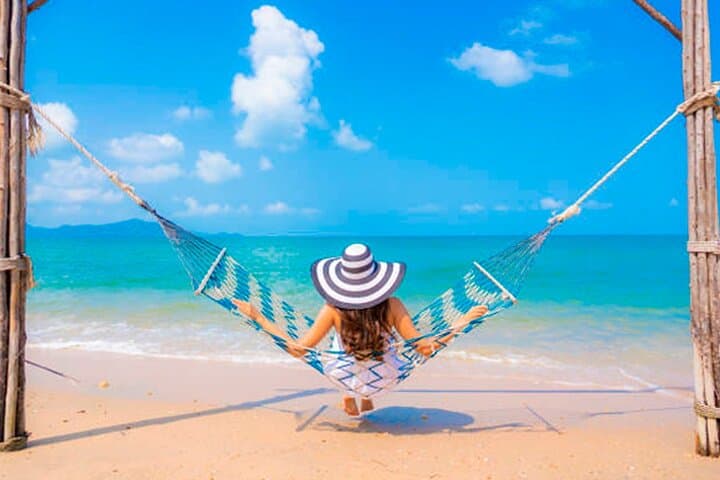
You arrive before sunrise, the bus easing away from Cancún's strip while the sea keeps its promises: a horizon that brightens from pewter to powder blue. By the time the ferry slips off Chiquilá's dock the water has turned turquoise; the town of Holbox appears as a cluster of low buildings in candy colors, wooden piers jutting into shallow flats that mirror cloud and sky.
You arrive before sunrise, the bus easing away from Cancún's strip while the sea keeps its promises: a horizon that brightens from pewter to powder blue. By the time the ferry slips off Chiquilá's dock the water has turned turquoise; the town of Holbox appears as a cluster of low buildings in candy colors, wooden piers jutting into shallow flats that mirror cloud and sky.
This is not a postcard of luxury resorts but a working island shaped by tides and fishing. Holbox sits at the northwest edge of the Yucatán, inside the Yum Balam reserve—a shallow, mangrove-framed lagoon system that traps incoming water and reflects it back like a mirror. Punta Mosquito, one of the tour's stops, is a long sand spit where the sea is ankle-deep for hundreds of meters; when the tide is right you walk among mirrored skies and solitary birds. Pasión Island and Punta Cocos offer similar quiet: reefs are distant, but the beaches here are broad and bright, and the focus is on light, not surf.
Culturally, Holbox remains small and local. Fishing and crustacean harvesting feed the town, and the street life is practical—bicycles, golf carts, and small palapa restaurants serving ceviche and grilled fish. The tour includes a box breakfast, a ferry ticket, a bilingual guide, and a beachfront lunch with a drink; it also offers a three-hour golf cart or bicycle rental (note the three-person minimum for carts).
Practically, plan for a long day. Pickup from Cancún starts early (around 05:30 depending on location) and returns late; transfers and waiting can extend the schedule to 12 hours. Bring biodegradable sunscreen and insect repellent—the area is protected and guides emphasize reef-safe products. Carry cash for the small marine tax (USD 6) and any extras: souvenirs, tip, or extra cart time. Footwear should handle sand and saltwater; the flats at Punta Mosquito are painless if you wear sandals you can rinse.
For photographers and slow walkers, the island rewards patience: reflections on the flats at low tide, pastel façades in town, and bird life on the mangrove edges. If you travel between May and September there's a chance of seeing whale sharks offshore (book specialized tours for swimming). Be prepared for weather and logistics: ferries run on a schedule, and itineraries can stretch in traffic. Yet the payoff—a hammock over glassy water, a lunch with a sea breeze, and a day paced by tides—makes the early wake-up and long travel a trade many happily accept.