THE ADVENTURE COLLECTIVE® · Independent discovery and booking for outdoor travel

Escape the Riviera Maya for a full-day ferry voyage to Holbox and Punta Mosquito. Spend long shallow walks on a sandbar, cruise mural-lined sandy streets by bike or shared golf cart, and savor fresh seafood in a beachside palapa.
Escape the Riviera Maya for a full-day ferry voyage to Holbox and Punta Mosquito. Spend long shallow walks on a sandbar, cruise mural-lined sandy streets by bike or shared golf cart, and savor fresh seafood in a beachside palapa.
The morning begins before sunrise on the highway between Playa del Carmen and Chiquilá, the bus humming and the sky paling from black to steel. You trade mainland bustle for the ferry’s spray — half an hour of wind and turquoise that widens with every wave — and then Holbox appears: low, luminous, a fringe of sand and palms where the sea seems to breathe slowly.
Verified experiences and guided adventures in the surrounding area.
Operated by Cancun Mayan Travel · Holbox, Quintana Roo
The morning begins before sunrise on the highway between Playa del Carmen and Chiquilá, the bus humming and the sky paling from black to steel. You trade mainland bustle for the ferry’s spray — half an hour of wind and turquoise that widens with every wave — and then Holbox appears: low, luminous, a fringe of sand and palms where the sea seems to breathe slowly.
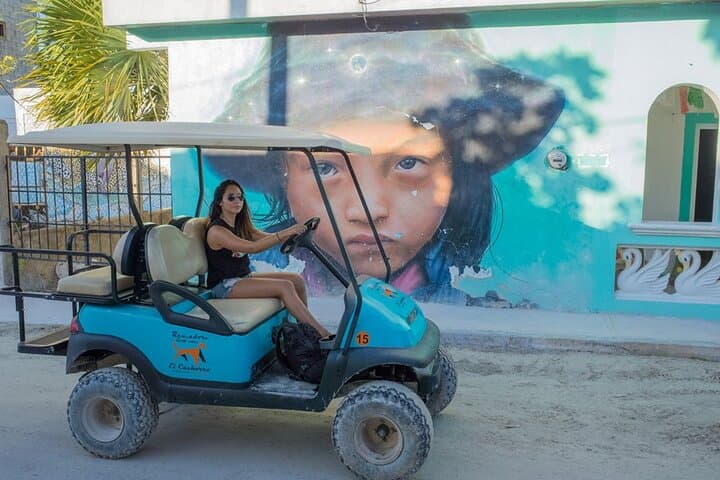
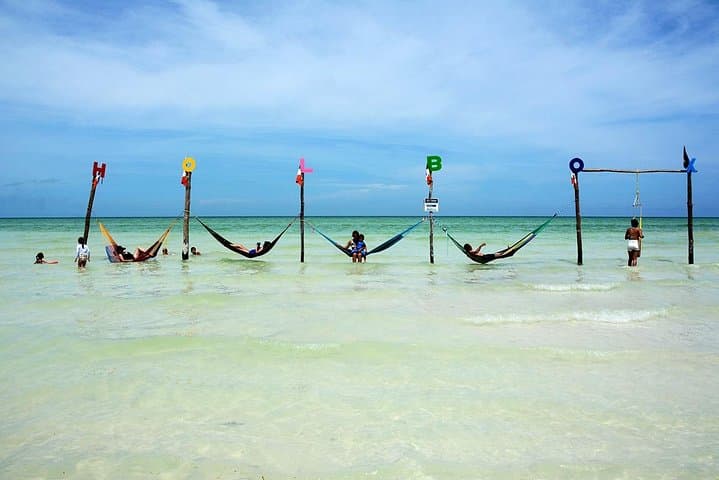
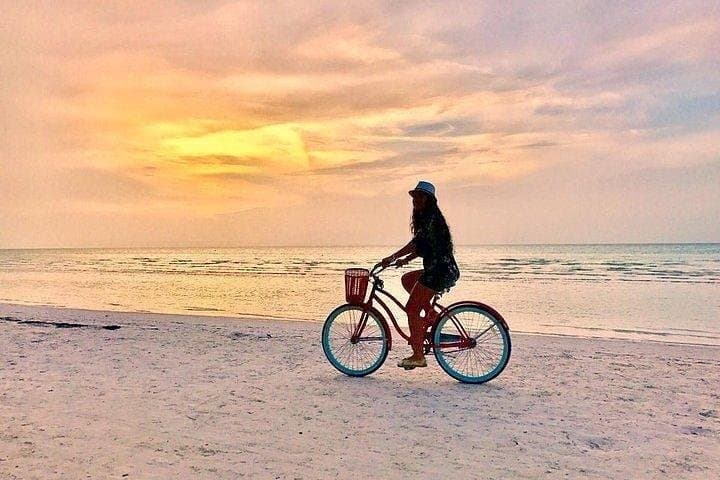
On arrival the island loosens the pace. Streets are sand; golf carts and bicycles slice through colorful murals that mark local creativity. A bilingual guide steers you toward Punta Mosquito, a long shallow spit where the ocean flattens into mirror-bright pools. At low tide the sandbar stretches like a pale ribbon and you can wade out until the current licks your knees and the horizon blurs.
Holbox’s history is simple and stubborn. Once a quiet fishing village tied to Mayan trade routes and the mainland port of Chiquilá, it has grown into a small-scale tourism hub that still privileges nature over development: structures are low, many businesses are family-run, and the island’s fragile wetlands and mangroves shape daily life. Geologically the island sits on a carbonate shelf; its beaches and sandbars are the result of wave-sorted shells and coral fragments, which is why the water turns those vivid Caribbean blues.
Culture here reads in taste and sound — ceviche and freshly grilled fish at lunch, reggae and local chatter under palapa roofs — and in conservation: visitors pay a small marine tax, and locals push for responsible behavior around nesting birds and seagrass beds.
Practicalities are straightforward. The full experience runs roughly 11–12 hours from early pickup in Playa del Carmen; expect long travel windows for hotel pick-ups and traffic. The ferry crossing is about 25–35 minutes each way. Punta Mosquito is primarily flat sand and shallow water; footwear that can get wet is perfect. The tour includes a shared 2-hour golf cart (three people per cart) or bike rental, a box breakfast, and lunch with one beverage.
Plan your day around the sun: mornings and late afternoons offer the softest light and cooler temperatures. Bring reef-safe sunscreen, a large water bottle, a towel and a change of clothes. If you want clear photos on the sandbar, aim for low tide and keep your phone protected from spray.
Holbox is at once easy to visit and easy to fall for: a day trip that delivers wide horizons, quiet walks on reflective water, and enough local color to make you consider staying another night.
easy.
11–12 hours.
Suitable for light to moderate fitness — mostly flat walking and short wading; long day due to transfers.
The ferry from Chiquilá to Holbox typically takes about 25–35 minutes each way.
Golf carts are shared with up to three people per cart; bicycles are also available as an alternative.
Yes — bring small bills for marine tax (around US$6), tips, and purchases at local stands; some restaurants accept cards but coverage can be limited.
Yes — the sandbar’s shallow, calm waters are family-friendly, but supervise children near changing tides and currents.
Yes — restrooms are available at the ferry terminals and in town; facilities at Punta Mosquito are minimal, so plan accordingly.
Flamingos and many shorebirds are common; whale sharks are seasonal (May–September) and usually seen on specialized tours rather than this standard day trip.
Holbox began as a small fishing community with ties to Mayan maritime routes; its economy has shifted from fishing to eco-tourism while retaining strong local traditions.
The island enforces a small marine tax and relies on community programs to protect mangroves, sea-grass beds, and nesting bird habitats — stay on marked paths and avoid disturbing wildlife.
Cancun Mayan Travel operates guided outdoor trips and adventures with an emphasis on safety, stewardship, and memorable experiences.
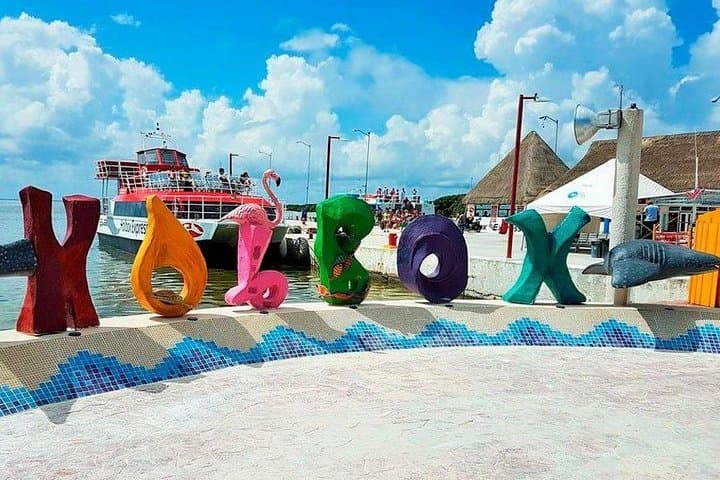
The morning begins before sunrise on the highway between Playa del Carmen and Chiquilá, the bus humming and the sky paling from black to steel. You trade mainland bustle for the ferry’s spray — half an hour of wind and turquoise that widens with every wave — and then Holbox appears: low, luminous, a fringe of sand and palms where the sea seems to breathe slowly.
The morning begins before sunrise on the highway between Playa del Carmen and Chiquilá, the bus humming and the sky paling from black to steel. You trade mainland bustle for the ferry’s spray — half an hour of wind and turquoise that widens with every wave — and then Holbox appears: low, luminous, a fringe of sand and palms where the sea seems to breathe slowly.
On arrival the island loosens the pace. Streets are sand; golf carts and bicycles slice through colorful murals that mark local creativity. A bilingual guide steers you toward Punta Mosquito, a long shallow spit where the ocean flattens into mirror-bright pools. At low tide the sandbar stretches like a pale ribbon and you can wade out until the current licks your knees and the horizon blurs.
Holbox’s history is simple and stubborn. Once a quiet fishing village tied to Mayan trade routes and the mainland port of Chiquilá, it has grown into a small-scale tourism hub that still privileges nature over development: structures are low, many businesses are family-run, and the island’s fragile wetlands and mangroves shape daily life. Geologically the island sits on a carbonate shelf; its beaches and sandbars are the result of wave-sorted shells and coral fragments, which is why the water turns those vivid Caribbean blues.
Culture here reads in taste and sound — ceviche and freshly grilled fish at lunch, reggae and local chatter under palapa roofs — and in conservation: visitors pay a small marine tax, and locals push for responsible behavior around nesting birds and seagrass beds.
Practicalities are straightforward. The full experience runs roughly 11–12 hours from early pickup in Playa del Carmen; expect long travel windows for hotel pick-ups and traffic. The ferry crossing is about 25–35 minutes each way. Punta Mosquito is primarily flat sand and shallow water; footwear that can get wet is perfect. The tour includes a shared 2-hour golf cart (three people per cart) or bike rental, a box breakfast, and lunch with one beverage.
Plan your day around the sun: mornings and late afternoons offer the softest light and cooler temperatures. Bring reef-safe sunscreen, a large water bottle, a towel and a change of clothes. If you want clear photos on the sandbar, aim for low tide and keep your phone protected from spray.
Holbox is at once easy to visit and easy to fall for: a day trip that delivers wide horizons, quiet walks on reflective water, and enough local color to make you consider staying another night.