THE ADVENTURE COLLECTIVE® · Independent discovery and booking for outdoor travel

A one-day boat journey that stitches together island bird colonies, pristine sandbars and a freshwater cenote—plus an optional Mayan purification ceremony. Expect long sunny hours, close wildlife viewing from the water, and a refreshing cenote swim.
A one-day boat journey that stitches together island bird colonies, pristine sandbars and a freshwater cenote—plus an optional Mayan purification ceremony. Expect long sunny hours, close wildlife viewing from the water, and a refreshing cenote swim.
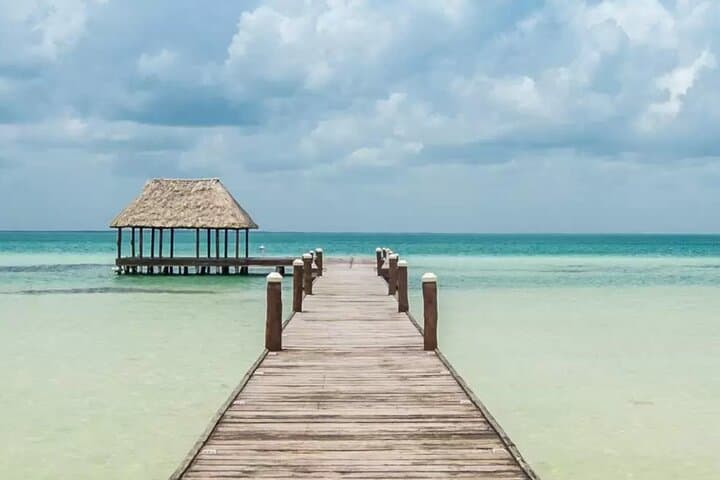
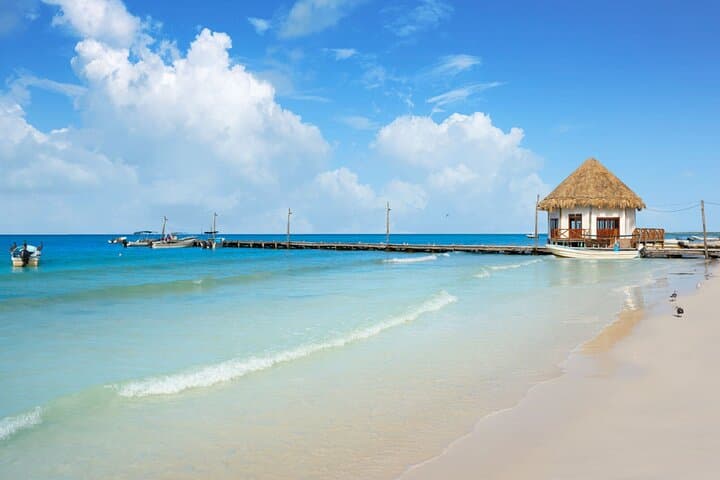
The motor cuts through glassy Caribbean water before dawn, and the mangroves begin to open up like a green maw. A salty wind pushes across the bow; frigatebirds wheel overhead and distant sandbars gleam white. On this full-day ride from the mainland you move through three distinct worlds in a day—mangrove labyrinths that braid with the tide, shallow turquoise shelves where flamingos probe for food, and a limestone cavity where groundwater readies itself for a cool plunge.
Verified experiences and guided adventures in the surrounding area.
Operated by Cancun All Tours · Holbox, Quintana Roo
The motor cuts through glassy Caribbean water before dawn, and the mangroves begin to open up like a green maw. A salty wind pushes across the bow; frigatebirds wheel overhead and distant sandbars gleam white. On this full-day ride from the mainland you move through three distinct worlds in a day—mangrove labyrinths that braid with the tide, shallow turquoise shelves where flamingos probe for food, and a limestone cavity where groundwater readies itself for a cool plunge.
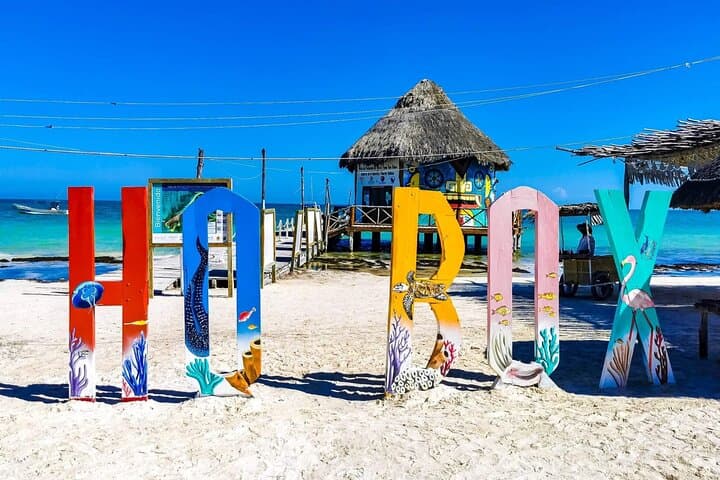
This route threads together natural history and human ritual. Holbox sits at the northern edge of the Yucatán Peninsula, a low-lying island shaped by winds, currents and coral-derived sand. The cenote at Yalahau is a surface expression of the peninsula’s karst geology: rainwater carving limestone over millennia to tap an aquifer that surfaces as freshwater springs. The region also carries Mayan echoes—Tulum once controlled coastal commerce nearby and Mayan spiritual practices survive today in ceremonies that invite participants to cleanse in cenote waters.
On the boat the guide narrates ecology and behavior: how mangroves stabilize the shoreline, why shallow sandbanks become feeding flats at low tide, and where to watch roseate spoonbills and ibis loafing on exposed shoals. Access to the bird island is limited to protect nesting colonies, so most viewing is from designated platforms and the boat—an arrangement that keeps the birds undisturbed and photographers patient.
Practical side: this is a full-day outing—expect long, sunny hours and multiple swims. Plan for early pickup and a return by late afternoon. Dress for heat and salt: quick-dry clothing, reef-safe sunscreen, a wide-brim hat and a light waterproof layer for spray. Bring cash for tips and small souvenirs in Holbox town during the free-time stop. If you’re doing the Mayan purification, arrive with an open mind and modest clothing; rituals vary and are led by certified shamans.
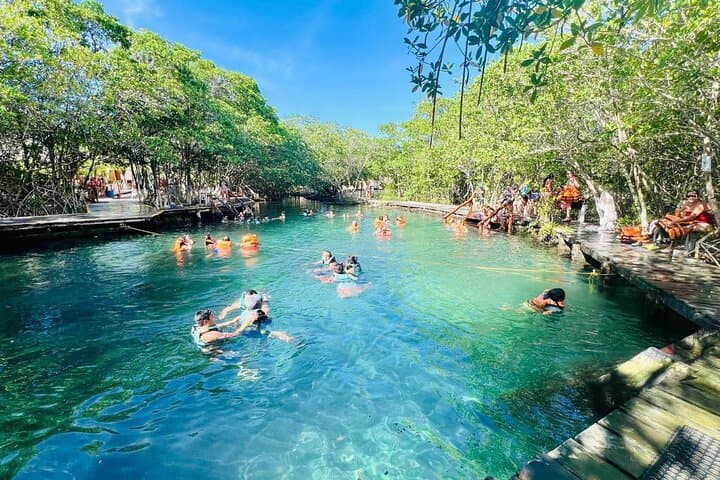
For swimming, the cenote is cool and sheltered—non-swimmers can float at the entrance but basic swimming competency is recommended. Watch your step on sandbanks that can shift underfoot and be mindful of tidal schedules; operators time landings for low-tide access at Punta Mosquito and other sand flats. Finally, favor tour operators that limit group size and follow reef- and bird-friendly rules: keeping a respectful distance, using biodegradable products, and avoiding feeding wildlife helps keep Holbox intact for return visits.
moderate.
10–12 hours.
Moderate fitness recommended—comfortable standing on boat, short walks on sandbars and ability to swim in cenote.
Basic swimming ability is recommended for the cenote and optional swims, but operators provide life vests if needed.
Yes—lunch is provided (box lunch or dish of choice) and water plus one beer on the boat is offered by the operator.
Expect herons, pelicans, cormorants, roseate spoonbills and seasonal flamingos; dolphins are occasional visitors in deeper channels.
Yes—the cenote purification is offered and led by a shaman; some elements may involve a donation or small extra fee.
The tour runs about 12 hours with pickup roughly 60 minutes before departure—exact times are sent at confirmation.
Use biodegradable or mineral-based sunscreen; some cenotes request showers before entry—follow your guide's instructions.
Holbox lies at the edge of ancient Mayan maritime routes; nearby Tulum once managed coastal trade between inland settlements and the Caribbean.
The area relies on responsible tourism—operators limit access to nesting sites and promote reef-safe practices to protect fragile mangroves and coral.
Cancun All Tours operates guided outdoor trips and adventures with an emphasis on safety, stewardship, and memorable experiences.
The motor cuts through glassy Caribbean water before dawn, and the mangroves begin to open up like a green maw. A salty wind pushes across the bow; frigatebirds wheel overhead and distant sandbars gleam white. On this full-day ride from the mainland you move through three distinct worlds in a day—mangrove labyrinths that braid with the tide, shallow turquoise shelves where flamingos probe for food, and a limestone cavity where groundwater readies itself for a cool plunge.
The motor cuts through glassy Caribbean water before dawn, and the mangroves begin to open up like a green maw. A salty wind pushes across the bow; frigatebirds wheel overhead and distant sandbars gleam white. On this full-day ride from the mainland you move through three distinct worlds in a day—mangrove labyrinths that braid with the tide, shallow turquoise shelves where flamingos probe for food, and a limestone cavity where groundwater readies itself for a cool plunge.
This route threads together natural history and human ritual. Holbox sits at the northern edge of the Yucatán Peninsula, a low-lying island shaped by winds, currents and coral-derived sand. The cenote at Yalahau is a surface expression of the peninsula’s karst geology: rainwater carving limestone over millennia to tap an aquifer that surfaces as freshwater springs. The region also carries Mayan echoes—Tulum once controlled coastal commerce nearby and Mayan spiritual practices survive today in ceremonies that invite participants to cleanse in cenote waters.
On the boat the guide narrates ecology and behavior: how mangroves stabilize the shoreline, why shallow sandbanks become feeding flats at low tide, and where to watch roseate spoonbills and ibis loafing on exposed shoals. Access to the bird island is limited to protect nesting colonies, so most viewing is from designated platforms and the boat—an arrangement that keeps the birds undisturbed and photographers patient.
Practical side: this is a full-day outing—expect long, sunny hours and multiple swims. Plan for early pickup and a return by late afternoon. Dress for heat and salt: quick-dry clothing, reef-safe sunscreen, a wide-brim hat and a light waterproof layer for spray. Bring cash for tips and small souvenirs in Holbox town during the free-time stop. If you’re doing the Mayan purification, arrive with an open mind and modest clothing; rituals vary and are led by certified shamans.
For swimming, the cenote is cool and sheltered—non-swimmers can float at the entrance but basic swimming competency is recommended. Watch your step on sandbanks that can shift underfoot and be mindful of tidal schedules; operators time landings for low-tide access at Punta Mosquito and other sand flats. Finally, favor tour operators that limit group size and follow reef- and bird-friendly rules: keeping a respectful distance, using biodegradable products, and avoiding feeding wildlife helps keep Holbox intact for return visits.