THE ADVENTURE COLLECTIVE® · Independent discovery and booking for outdoor travel

Spend a long, luminous day between freshwater cenotes, shallow turquoise seas and a paint-splashed island village on this Holbox and Isla de la Pasión tour—boat transfers, cenote swim, lunch and Punta Mosquito included.
Spend a long, luminous day between freshwater cenotes, shallow turquoise seas and a paint-splashed island village on this Holbox and Isla de la Pasión tour—boat transfers, cenote swim, lunch and Punta Mosquito included.
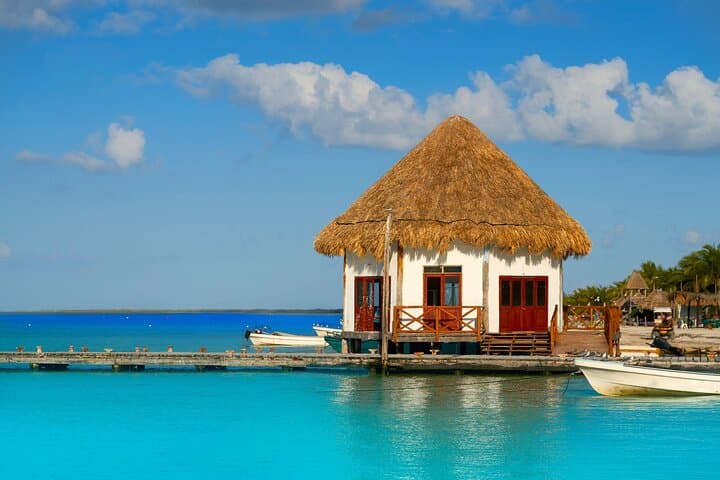
You step off the bus in Chiquilá before dawn; the road has unraveled behind you in a wash of early light and the sea ahead already claims your attention. A short boat ride later and the water takes over the scene—flat and shallow at the edges, turning a defiant turquoise as the hull cuts through it. The Caribbean here has a steady confidence: it will cool you, it will invite you, and it will not be hurried.
Verified experiences and guided adventures in the surrounding area.
Operated by Coba Tulum Tour Operator · Holbox, Quintana Roo
You step off the bus in Chiquilá before dawn; the road has unraveled behind you in a wash of early light and the sea ahead already claims your attention. A short boat ride later and the water takes over the scene—flat and shallow at the edges, turning a defiant turquoise as the hull cuts through it. The Caribbean here has a steady confidence: it will cool you, it will invite you, and it will not be hurried.
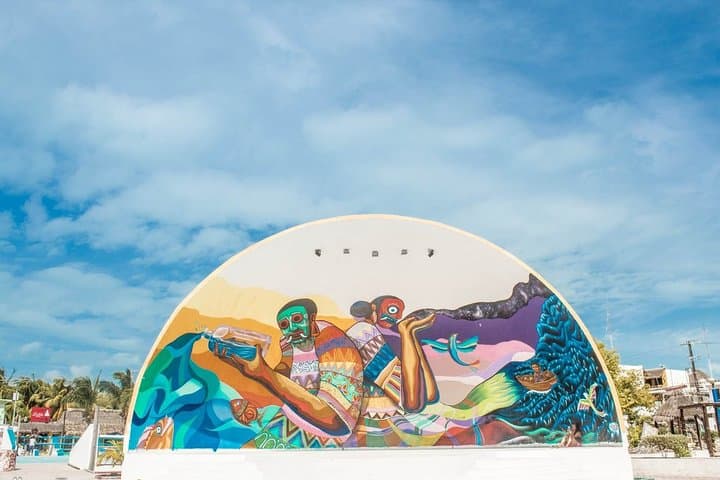
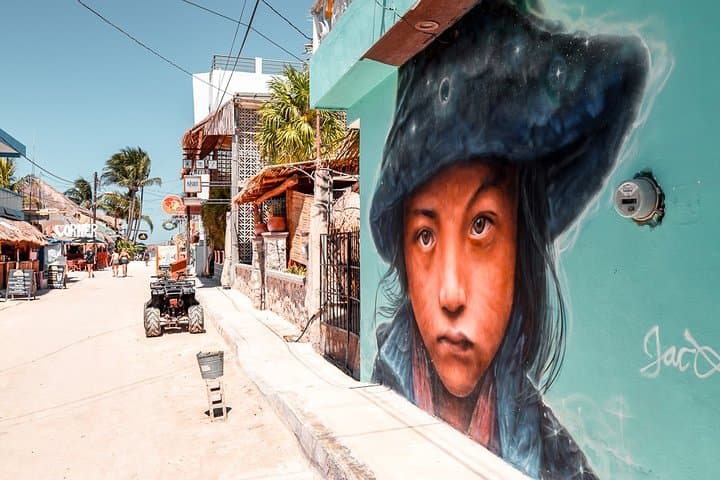
This full-day loop threads together three very different pieces of northern Quintana Roo: Yalahau’s sacred cenote, the low-lying sand and legends of Isla de la Pasión (Passion Island), and the paint‑splashed streets and wide beaches of Holbox, finishing at the delicate sandspit of Punta Mosquito inside the Yum Balam reserve. The cenote is a freshwater uplift—clear, spring-fed water that the Maya once valued for fertility and cleansing. Isla de la Pasión reads like a short myth: white sand, shallow water, a claim in local lore as a place of blessing. Holbox itself grew from a fishing village into a small creative hub, its wooden houses painted in bold murals that reflect the island’s contemporary vibe.
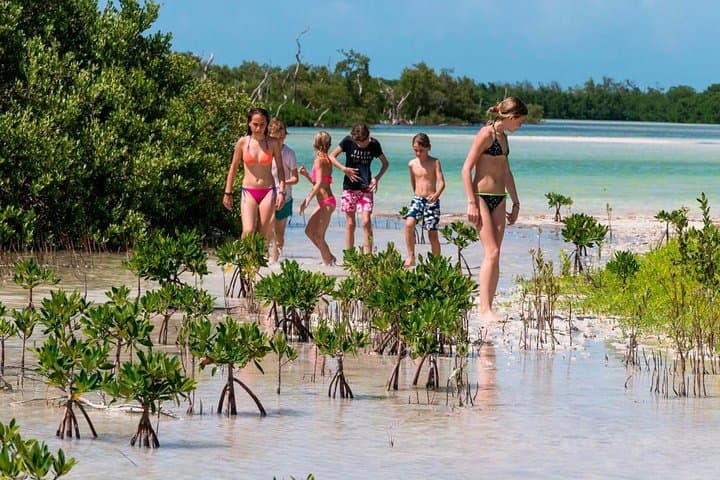
Geologically this coast is built of limestone and karst; freshwater springs like Yalahau bubble up where the aquifer meets the sea, creating pockets of cool clarity amid the warm saline. Ecologically the area is fragile: the Yum Balam reserve protects mangroves, dunes and important bird and marine corridors. During certain months the waters here host whale sharks and migrations of pelicans and flamingos, so the day can feel like a rotation of living exhibits.
Practically: the day runs long—expect a roughly 12–15 hour excursion including a two‑hour land transfer to Chiquilá, multiple boat legs and extended beach time on Holbox. Life vests are provided for the cenote and boat segments; snacks and a boxed lunch plus the main meal are included. Bring reef‑safe sunscreen, plenty of water, a towel, and cash for extra purchases in Holbox (card acceptance can be spotty). If you’re prone to seasickness, plan for medication—the boat rides are short but constant.
Wear quick‑dry swimwear and water shoes for the cenote and sandbars; a wide‑brim hat and polarized sunglasses will sharpen the turquoise. Respect the reserve rules: don’t leave trash, avoid stepping on mangrove roots, and keep distance from resting birds. The operator’s pickup window runs early (roughly 6:30–7:45 a.m. depending on your hotel), and they request ID and booking confirmation at check‑in. If you want fewer people and more time to explore, consider arriving a night early in Holbox or booking private transfer options.
By late afternoon, with salt drying on your skin and the island’s murals glowing in the softened sun, you’ll understand why travelers come here for a day that feels part pilgrimage, part lazy celebration of sea and sand.
easy.
12–15 hours.
Suitable for travelers with typical stamina—mostly standing, short swims and easy walking on soft sand; not strenuous.
The experience is a full day—expect roughly 12–15 hours door‑to‑door, including a two‑hour bus transfer to Chiquilá and several boat segments.
Yes—Yalahau is spring‑fed and lifeguards provide life vests; however, follow staff instructions and avoid deep areas if you’re not a confident swimmer.
Flamingos and wading birds are regularly seen; whale sharks are seasonal (roughly May–September) and sightings aren’t guaranteed on this shared itinerary.
Yes—snacks, a boxed lunch and a main meal at a Holbox restaurant are included; you’ll typically choose a dish from a provided menu.
This tour is not recommended for travelers with spinal injuries, pregnancy, or poor cardiovascular health due to bumpy transfers and boat motion.
Pickup is offered from many hotels in the Cancún area; you'll be sent an exact pickup time after booking—confirm your hotel name in the special requirements.
The area was used and revered by the Maya; small islands and cenotes like Yalahau were associated with freshwater sources and fertility rituals.
Much of this coastline is inside the Yum Balam Flora and Fauna Protection Area—follow no‑trace practices, use reef‑safe products and avoid disturbing wildlife.
Coba Tulum Tour Operator operates guided outdoor trips and adventures with an emphasis on safety, stewardship, and memorable experiences.
You step off the bus in Chiquilá before dawn; the road has unraveled behind you in a wash of early light and the sea ahead already claims your attention. A short boat ride later and the water takes over the scene—flat and shallow at the edges, turning a defiant turquoise as the hull cuts through it. The Caribbean here has a steady confidence: it will cool you, it will invite you, and it will not be hurried.
You step off the bus in Chiquilá before dawn; the road has unraveled behind you in a wash of early light and the sea ahead already claims your attention. A short boat ride later and the water takes over the scene—flat and shallow at the edges, turning a defiant turquoise as the hull cuts through it. The Caribbean here has a steady confidence: it will cool you, it will invite you, and it will not be hurried.
This full-day loop threads together three very different pieces of northern Quintana Roo: Yalahau’s sacred cenote, the low-lying sand and legends of Isla de la Pasión (Passion Island), and the paint‑splashed streets and wide beaches of Holbox, finishing at the delicate sandspit of Punta Mosquito inside the Yum Balam reserve. The cenote is a freshwater uplift—clear, spring-fed water that the Maya once valued for fertility and cleansing. Isla de la Pasión reads like a short myth: white sand, shallow water, a claim in local lore as a place of blessing. Holbox itself grew from a fishing village into a small creative hub, its wooden houses painted in bold murals that reflect the island’s contemporary vibe.
Geologically this coast is built of limestone and karst; freshwater springs like Yalahau bubble up where the aquifer meets the sea, creating pockets of cool clarity amid the warm saline. Ecologically the area is fragile: the Yum Balam reserve protects mangroves, dunes and important bird and marine corridors. During certain months the waters here host whale sharks and migrations of pelicans and flamingos, so the day can feel like a rotation of living exhibits.
Practically: the day runs long—expect a roughly 12–15 hour excursion including a two‑hour land transfer to Chiquilá, multiple boat legs and extended beach time on Holbox. Life vests are provided for the cenote and boat segments; snacks and a boxed lunch plus the main meal are included. Bring reef‑safe sunscreen, plenty of water, a towel, and cash for extra purchases in Holbox (card acceptance can be spotty). If you’re prone to seasickness, plan for medication—the boat rides are short but constant.
Wear quick‑dry swimwear and water shoes for the cenote and sandbars; a wide‑brim hat and polarized sunglasses will sharpen the turquoise. Respect the reserve rules: don’t leave trash, avoid stepping on mangrove roots, and keep distance from resting birds. The operator’s pickup window runs early (roughly 6:30–7:45 a.m. depending on your hotel), and they request ID and booking confirmation at check‑in. If you want fewer people and more time to explore, consider arriving a night early in Holbox or booking private transfer options.
By late afternoon, with salt drying on your skin and the island’s murals glowing in the softened sun, you’ll understand why travelers come here for a day that feels part pilgrimage, part lazy celebration of sea and sand.