THE ADVENTURE COLLECTIVE® · Independent discovery and booking for outdoor travel

Spend a full day moving from steaming volcanic vents to a placid caldera lake and a historic canal town. This guided loop from Sapporo pairs short, dramatic walks with cultural stops—ideal for first-time visitors to Hokkaido.
Spend a full day moving from steaming volcanic vents to a placid caldera lake and a historic canal town. This guided loop from Sapporo pairs short, dramatic walks with cultural stops—ideal for first-time visitors to Hokkaido.
Morning light hits the bus as it leaves Sapporo, and the city’s grid slips away behind you. By mid-morning the air changes—ozone and sulfur rising from fumaroles—announcing Noboribetsu’s Jigokudani (Hell Valley), where steam dares visitors toward boardwalks and observation points. The walk here is short but visceral: bubbling vents, mineral-stained rocks, and a landscape shaped by repeated eruptions that formed hot springs now routed to local onsen.
Verified experiences and guided adventures in the surrounding area.
Operated by Trevopedia Wonders · Noboribetsu, Hokkaido
Morning light hits the bus as it leaves Sapporo, and the city’s grid slips away behind you. By mid-morning the air changes—ozone and sulfur rising from fumaroles—announcing Noboribetsu’s Jigokudani (Hell Valley), where steam dares visitors toward boardwalks and observation points. The walk here is short but visceral: bubbling vents, mineral-stained rocks, and a landscape shaped by repeated eruptions that formed hot springs now routed to local onsen.
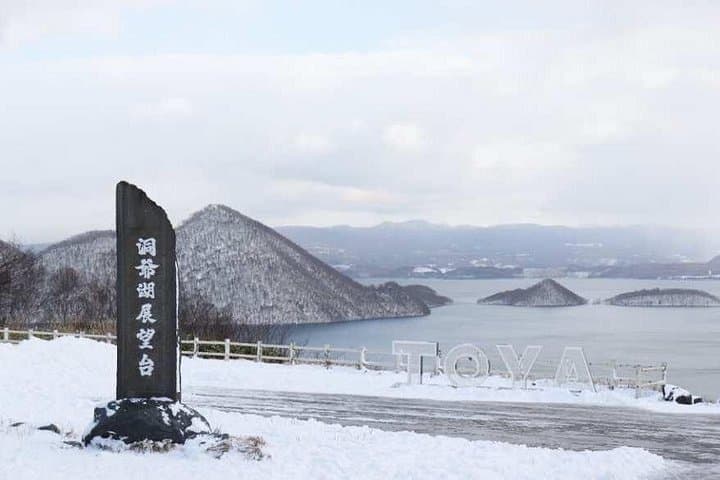
The itinerary moves from raw geology to calm water. Lake Toya, a near-circular caldera lake roughly 10 km across, holds a mirror-smooth surface that often reflects Mount Usu and the neat cone of Showa-Shinzan, a volcanic dome that surfaced during the 1940s. Otaru finishes the day with a cultural pivot—stone warehouses, canal-side promenades, glassblowers, and music-box shops that recall the port’s Meiji-era trading boom.
History here is literal: volcanic growth reshaped the land in living memory, and the port city’s streets show Hokkaido’s 19th–20th century development. Geology and culture are accessible—short walks, observation decks, and a lakeside promenade of about 2–3 km.
Practical guidance: expect a full 8–10 hour day with 2–3 hours of on-foot exploring broken into short segments; wear grippy shoes and layered clothing for sudden steam- or lakeside breezes. Bring cash for small purchases and a camera with a neutral-density or polarizing filter for steam and water shots. Winter can restrict access to some decks; confirm seasonal openings. The tour suits travelers comfortable with moderate logistics rather than heavy hiking—perfect for photographers and curious explorers wanting a concentrated cross-section of Hokkaido in one day.
easy.
8–10 hours.
Minimal fitness required; comfortable walking for 20–40 minute sections and short stairs is sufficient.
The tour runs about 8–10 hours with morning departures from Sapporo (typically 07:30–08:00) and returns by early evening.
Walking is light to moderate—short paved or boardwalk sections, some steps, and easy promenades; suitable for most fitness levels.
Some onsen are visible or offer foot-baths, but full bathing is generally not included—check the tour provider for optional onsen stops.
Yes; winter can limit access to some observation decks and lakeside roads, so confirm openings and road conditions before booking.
Showa-Shinzan formed during 1943–45 as magma uplifted farmland, and Otaru’s canal district reflects the port’s Meiji-era shipping prosperity.
Respect thermal areas by staying on boardwalks and heeding signage to protect fragile geothermal features; avoid feeding wildlife and use established trails to limit erosion.
Trevopedia Wonders operates guided outdoor trips and adventures with an emphasis on safety, stewardship, and memorable experiences.
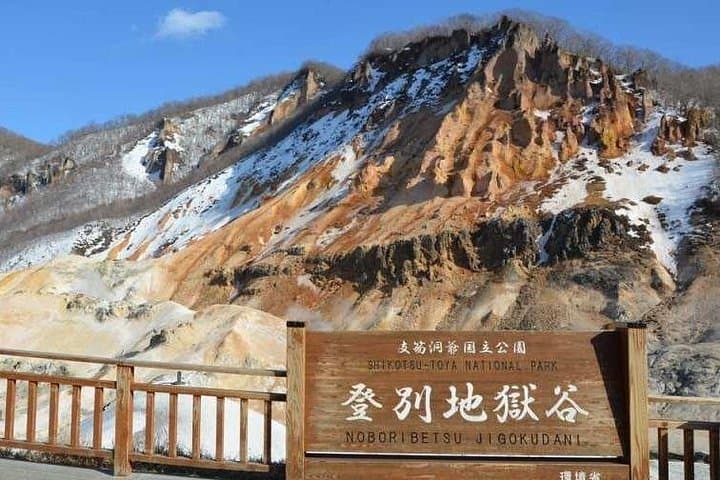
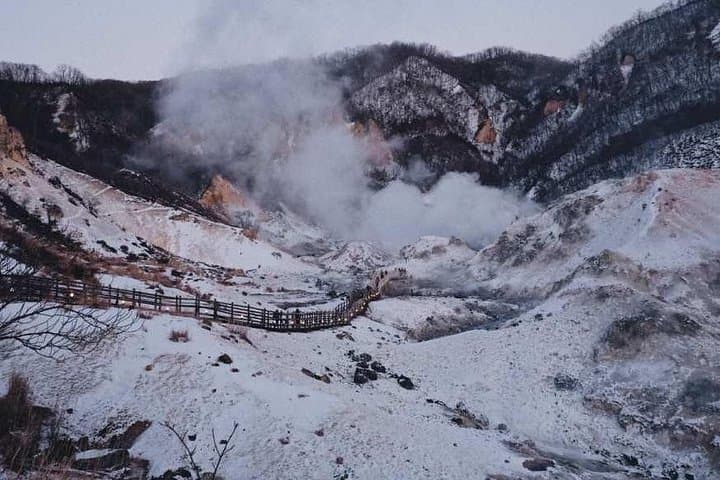
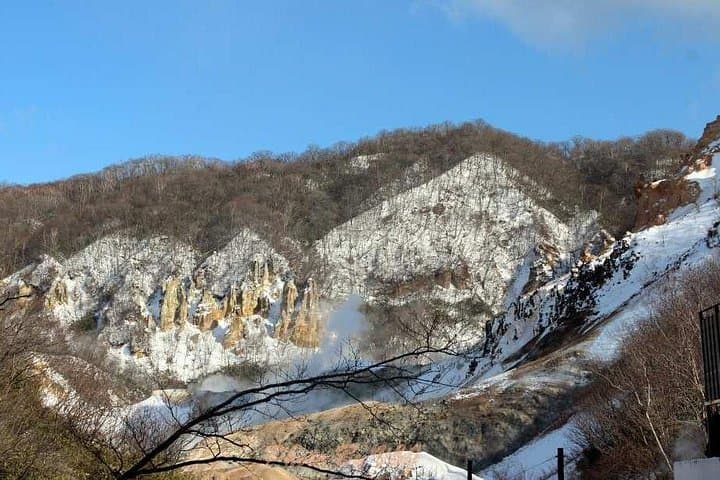
Morning light hits the bus as it leaves Sapporo, and the city’s grid slips away behind you. By mid-morning the air changes—ozone and sulfur rising from fumaroles—announcing Noboribetsu’s Jigokudani (Hell Valley), where steam dares visitors toward boardwalks and observation points. The walk here is short but visceral: bubbling vents, mineral-stained rocks, and a landscape shaped by repeated eruptions that formed hot springs now routed to local onsen.
Morning light hits the bus as it leaves Sapporo, and the city’s grid slips away behind you. By mid-morning the air changes—ozone and sulfur rising from fumaroles—announcing Noboribetsu’s Jigokudani (Hell Valley), where steam dares visitors toward boardwalks and observation points. The walk here is short but visceral: bubbling vents, mineral-stained rocks, and a landscape shaped by repeated eruptions that formed hot springs now routed to local onsen.
The itinerary moves from raw geology to calm water. Lake Toya, a near-circular caldera lake roughly 10 km across, holds a mirror-smooth surface that often reflects Mount Usu and the neat cone of Showa-Shinzan, a volcanic dome that surfaced during the 1940s. Otaru finishes the day with a cultural pivot—stone warehouses, canal-side promenades, glassblowers, and music-box shops that recall the port’s Meiji-era trading boom.
History here is literal: volcanic growth reshaped the land in living memory, and the port city’s streets show Hokkaido’s 19th–20th century development. Geology and culture are accessible—short walks, observation decks, and a lakeside promenade of about 2–3 km.
Practical guidance: expect a full 8–10 hour day with 2–3 hours of on-foot exploring broken into short segments; wear grippy shoes and layered clothing for sudden steam- or lakeside breezes. Bring cash for small purchases and a camera with a neutral-density or polarizing filter for steam and water shots. Winter can restrict access to some decks; confirm seasonal openings. The tour suits travelers comfortable with moderate logistics rather than heavy hiking—perfect for photographers and curious explorers wanting a concentrated cross-section of Hokkaido in one day.